You’ve Never Seen Street Cats Captured Like This Before: One Photographer’s Stunning Tribute To The Felines Who Rule The City
Street cats, but make it art — Helin Bereket turns everyday felines into urban icons with nothing but a camera, patience, and a killer eye for detail.
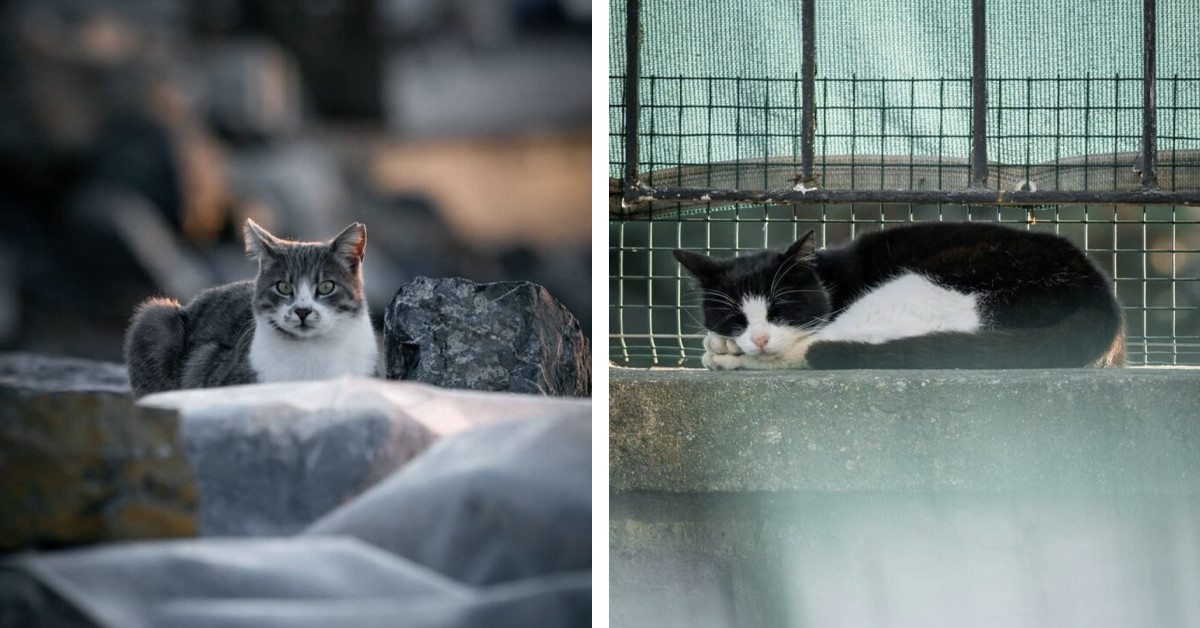
It’s not just the street cats that are taking over the city, it’s the way one photographer decided to look at them. Helin Bereket’s tribute turns ordinary sidewalk sightings into something you actually want to stare at, balcony to blossom patch, nap time to full-on “don’t mess with me” energy.
But here’s the complicated part, street cats aren’t living in a clean, curated world. They’re weaving through balconies, lingering in flower beds, waiting on leftovers, and locking eyes with anyone who dares to pause. And once you see the soulful stare, the fierce warrior pose, and the black cat rumors up close, you start noticing the gaps between how people talk about these cats and what they’re really doing out there.
One photo can flip the whole script, especially when the city itself becomes the backdrop.
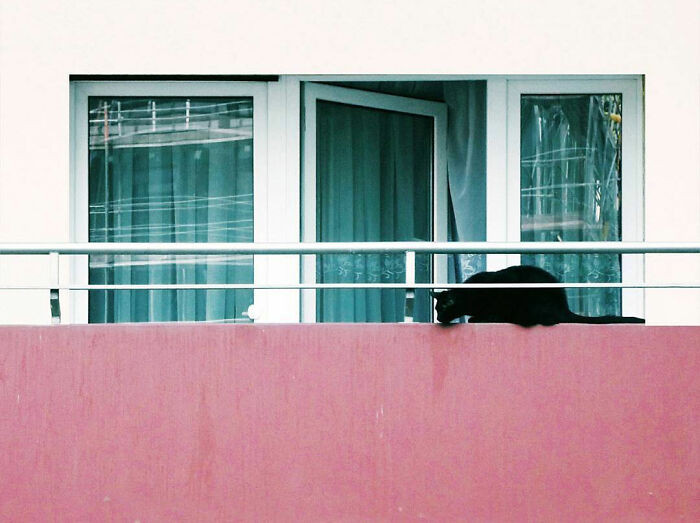
1. Balcony views.
 helinbereket
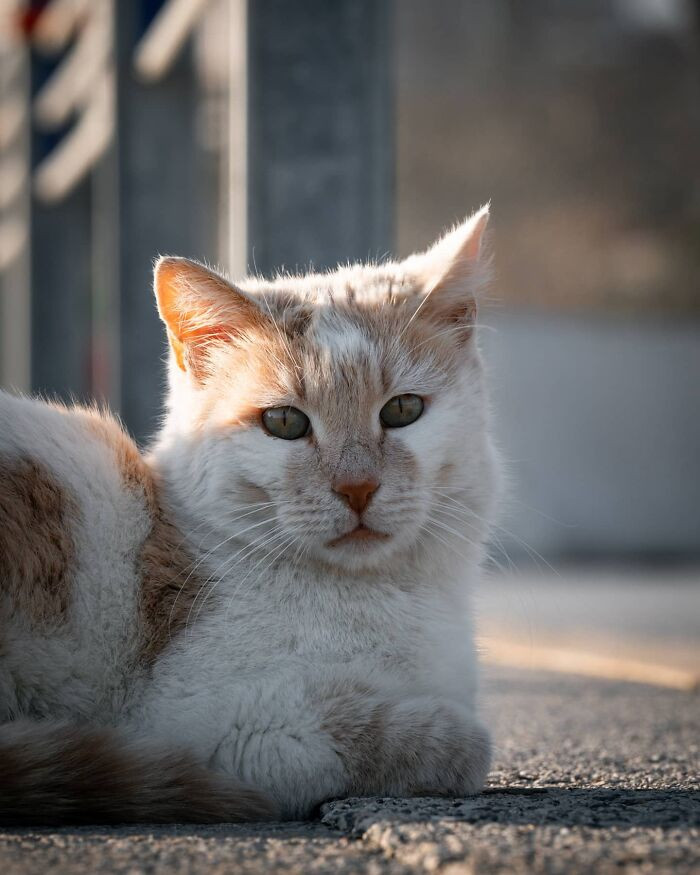
2. Soulful eyes.
 helinbereket
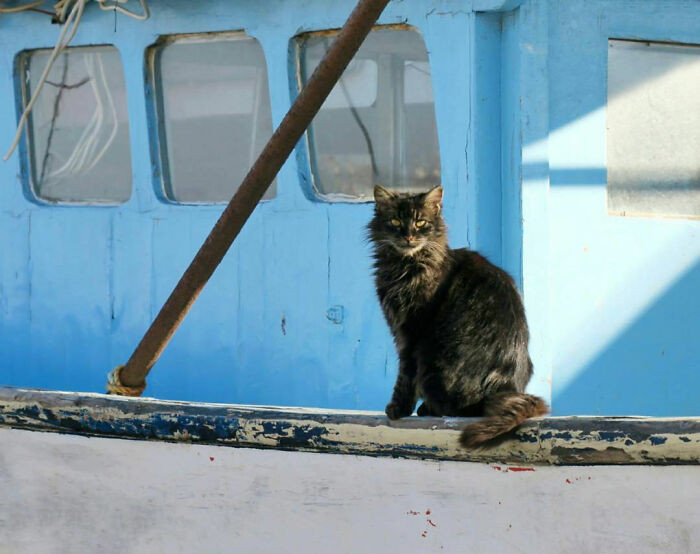
3. A fierce warrior.
 helinbereket
The Urban Cat Phenomenon
They thrive in cities, exhibiting behaviors that allow them to navigate complex human habitats.
On a balcony overlooking the chaos, Helin Bereket’s lens makes those “just passing through” cats feel like neighbors, not background noise.
The Future of Urban Felines
As cities grow, understanding the needs of street cats will become increasingly important. 'Wildlife conservation doesn't stop at the city limits.'
Incorporating green spaces, creating wildlife corridors, and implementing TNR programs can significantly improve the lives of street cats in urban settings. These initiatives not only benefit the cats but also enhance biodiversity in urban environments, creating a healthier ecosystem for all.
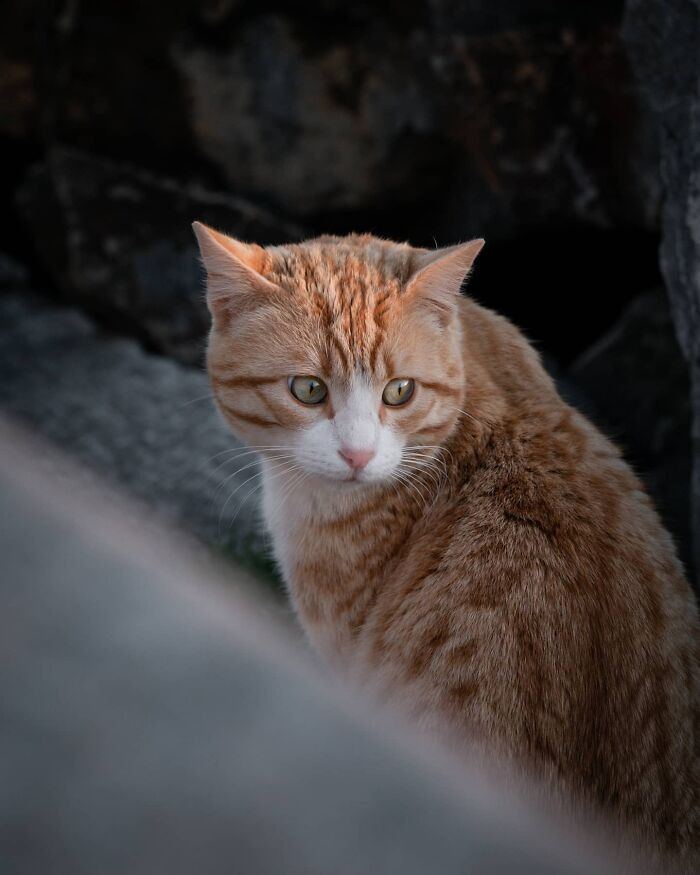
4. Ginger beauty.
 helinbereket
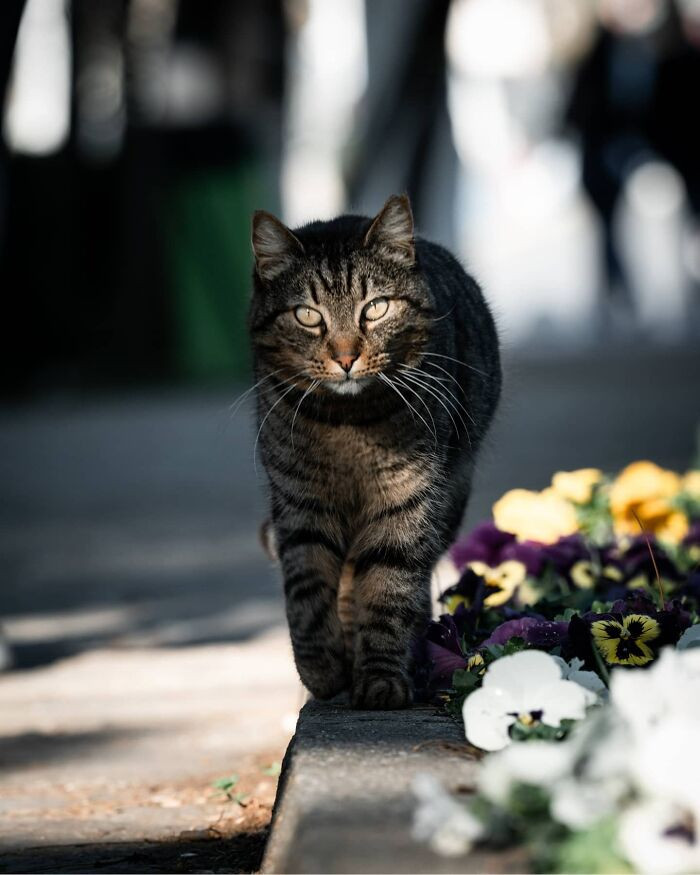
5. A stroll amongst the flowers.
 helinbereket
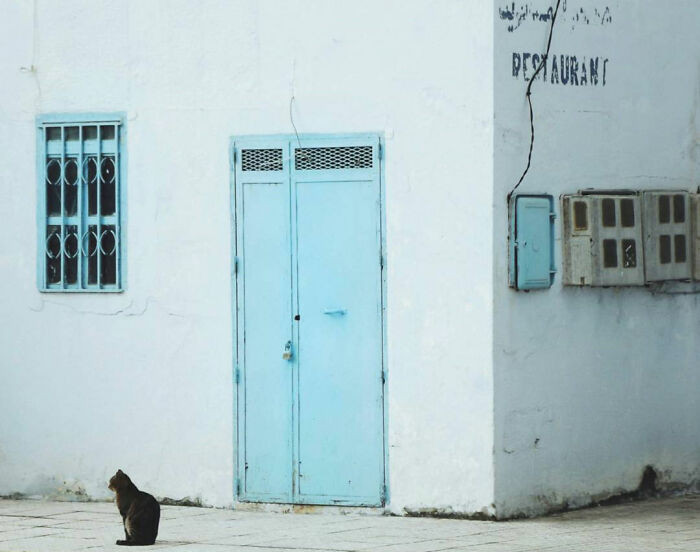
6. Waiting on leftovers.
 helinbereket
Photographers like Helin Bereket play a crucial role in reshaping perceptions of street cats. By capturing their essence through art, they challenge stereotypes surrounding feral cats. Artistic representation can evoke empathy, encouraging urban residents to view street cats as integral members of the community rather than mere nuisances. This shift in perspective opens doors for collaborative efforts to improve their living conditions.
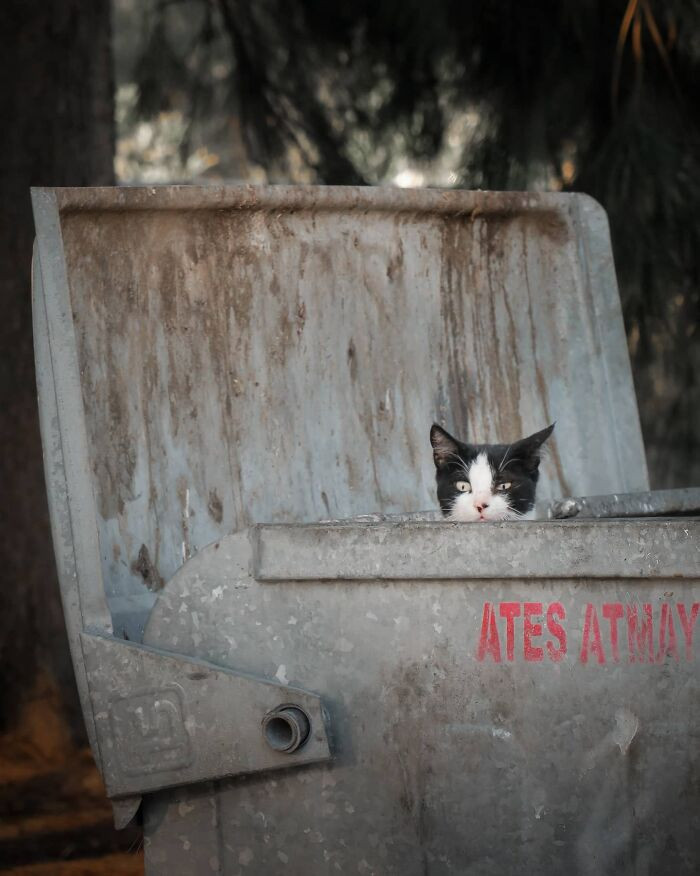
7. Oh, hey!
 helinbereket
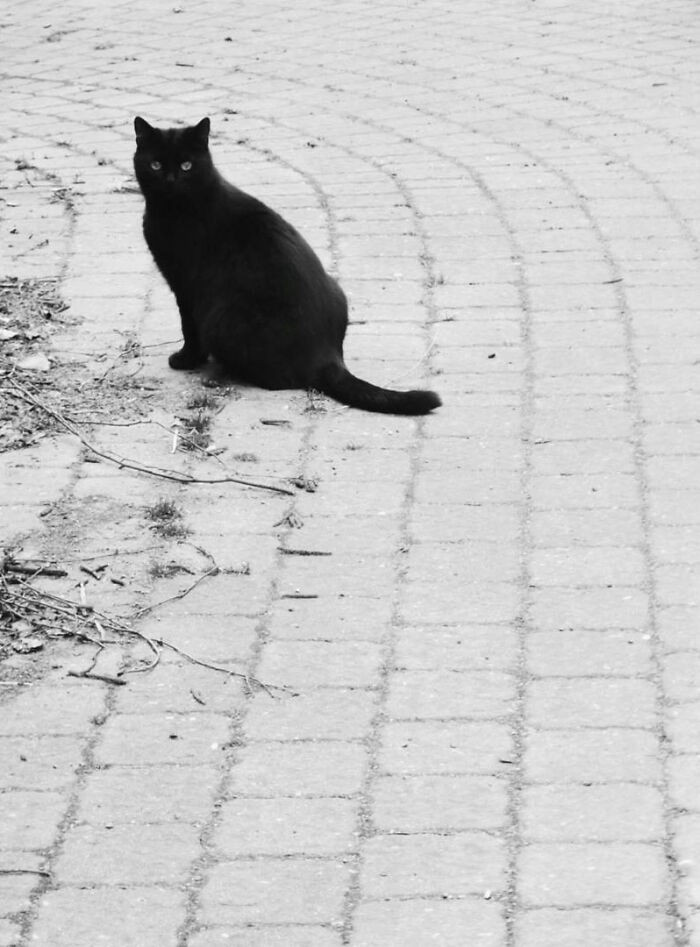
8. Who said black cats are bad luck?
 helinbereket
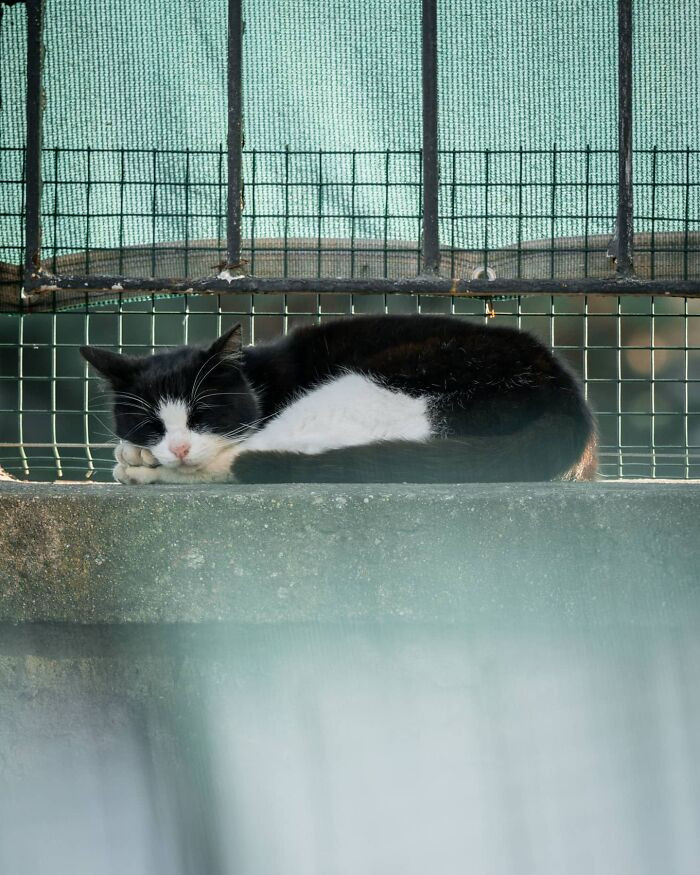
9. The sweetest napper.
 helinbereket
Then come the soulful eyes, and suddenly the city’s leftovers and the cats’ patient waiting on them look less like a problem and more like a daily ritual.
And if you’re craving calmer vibes, meet the adoptable cats in their ideal abodes.
Animal welfare advocates stress the importance of community involvement in caring for street cats. Programs that engage local residents in feeding and monitoring these cats can foster a sense of responsibility and connection. For instance, organizations like Alley Cat Allies offer resources and training for individuals interested in helping feral cat colonies.
Such initiatives provide practical solutions that empower communities to take action. Engaging the public in street cat care can significantly enhance their quality of life.
10. A handsome fellow.
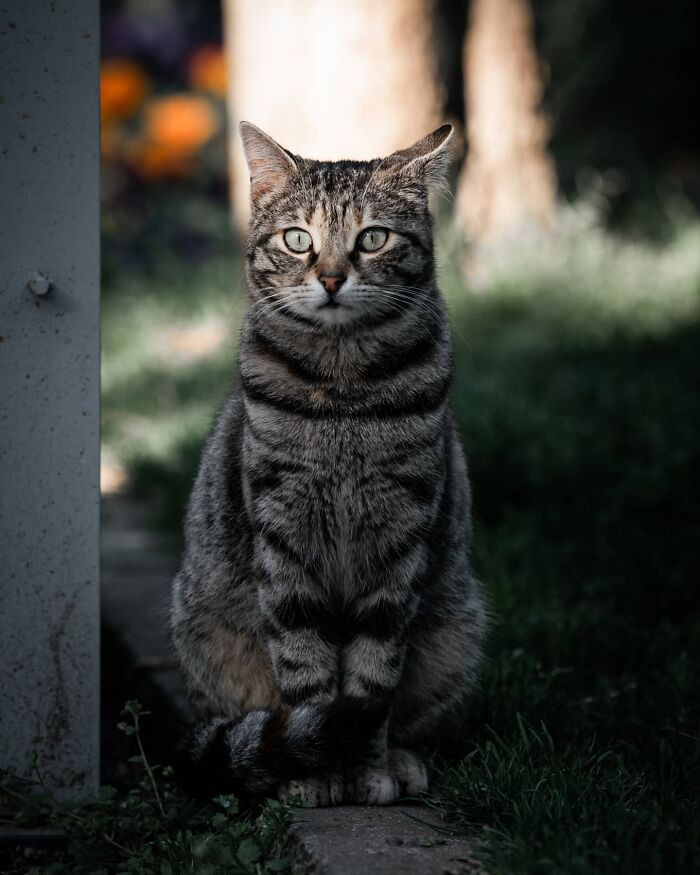 helinbereket
11. Prime fishing position.
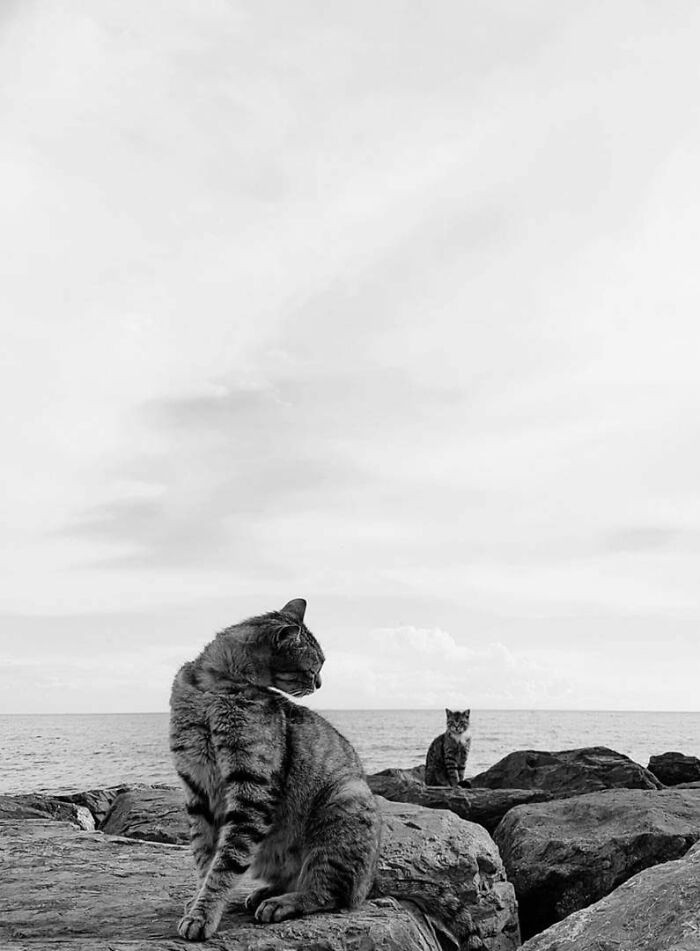 helinbereket
12. On the prowl.
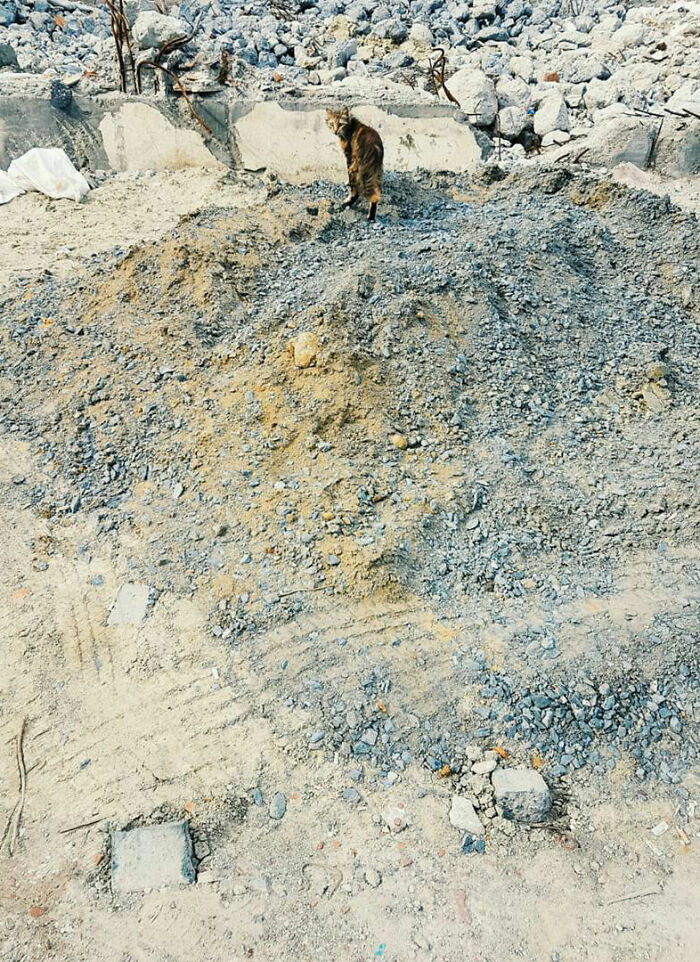 helinbereket
After the ginger beauty strolls through the flowers, the whole scene gets messier, because it’s hard to unsee how feral cats are building intricate social networks right in plain sight.
'Feral cats form intricate social networks that are often unnoticed by humans.' This social complexity influences their survival strategies and interactions with humans.
By studying these behaviors, urban planners can devise strategies that accommodate both humans and wildlife. Creating cat-friendly spaces, such as designated feeding areas or safe havens, can enhance coexistence while reducing conflicts.
13. Snack time.
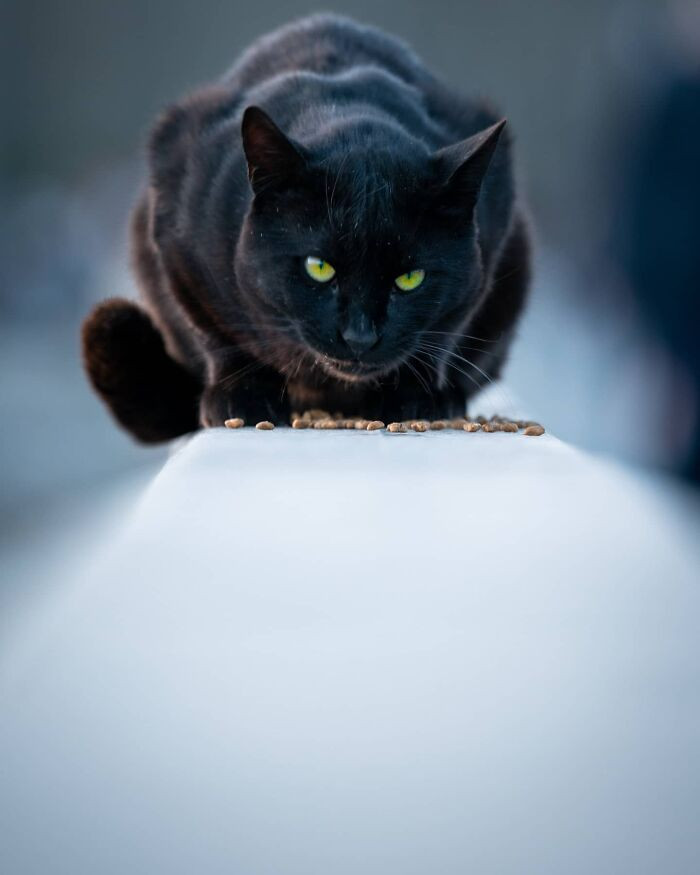 helinbereket
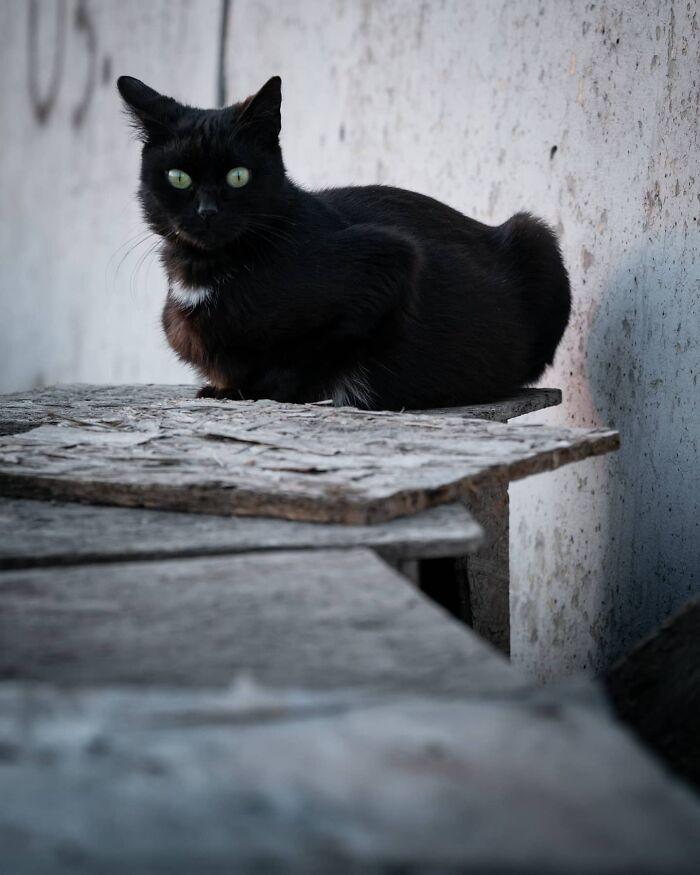
14. On alert.
 helinbereket
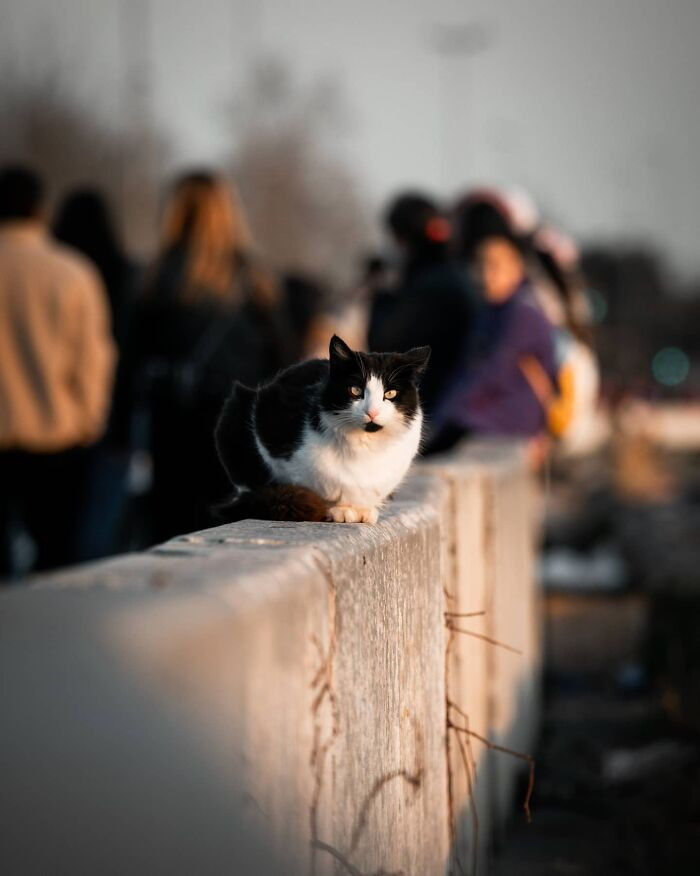
15. Just a cat, owning the city.
 helinbereket
Art as a Catalyst for Change
Artistic endeavors, like Bereket's photography, serve as powerful tools for advocacy. They can shift public perception and inspire action toward street cat welfare.animalsheltering.org'>The Humane Society, visual storytelling can effectively raise awareness about the plight of feral animals.
Community art projects that involve local artists can further amplify this message, fostering a sense of collective responsibility. Engaging local artists in campaigns can create a more profound impact on public attitudes toward these urban felines, leading to increased support for welfare initiatives.
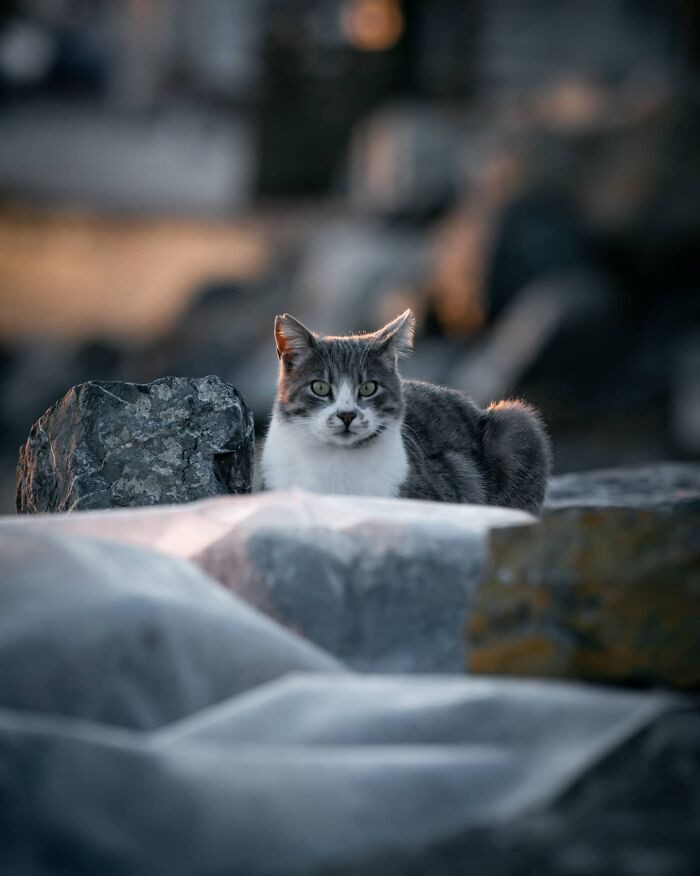
16. Chillin' on the rocks.
 helinbereket
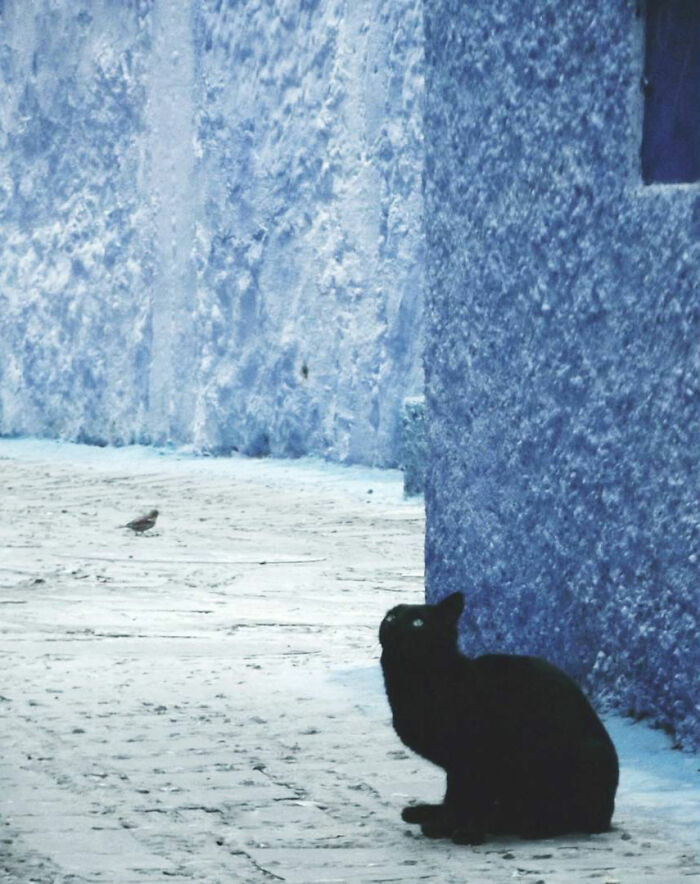
17. Black beauty.
 helinbereket
18. She's a lady.
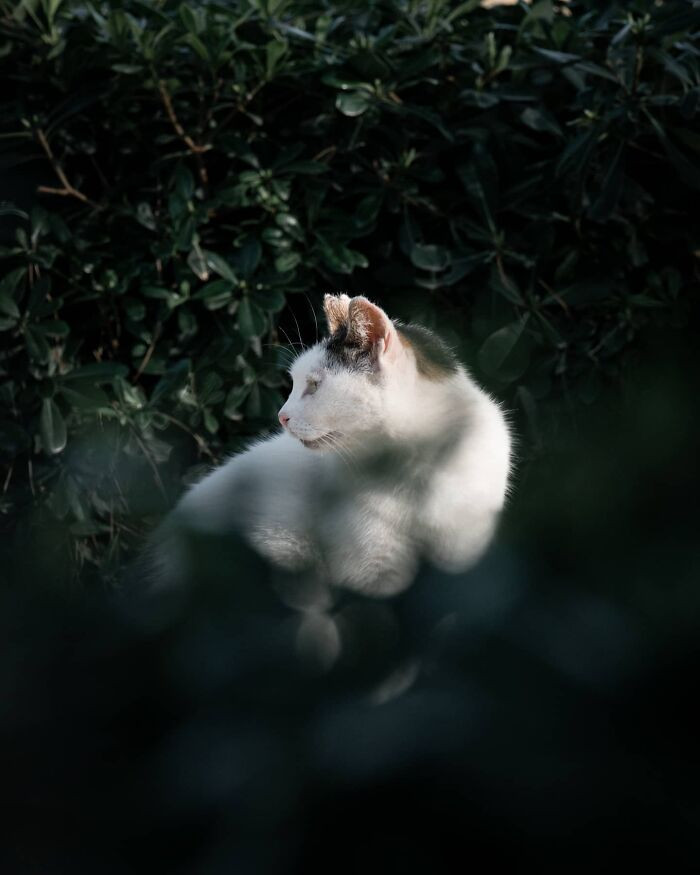 helinbereket
And by the time the black cat’s “bad luck” myth gets dunked on, the message lands, street cats don’t need pity, they need space, green spots, and a community that actually pays attention.
Education initiatives that inform the public about the benefits of healthy feral cat populations can promote coexistence.
Implementing workshops or educational programs in schools and communities can enhance understanding and compassion, ultimately leading to better outcomes for these urban animals.
19. He's got so many stories to tell.
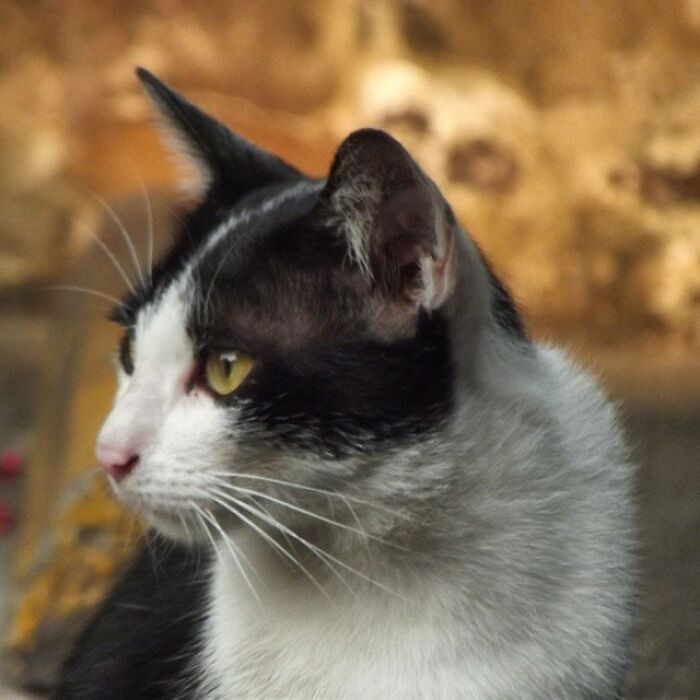 helinbereket
Helin Bereket’s work is a reminder that even the smallest, scrappiest corners of a city can hold beauty if you pause long enough to see it. Her cats aren’t just passing through the frame — they own it. And maybe that’s the quiet brilliance of her photography: she doesn’t just capture cats, she captures confidence in its purest, most unbothered form.
In examining Helin Research, the relationship between art and wildlife advocacy emerges vividly through her stunning portrayals of street cats. These images not only celebrate the resilience and charm of these urban felines but also highlight the pressing need for their protection. Bereket's photography serves as a call to action, urging viewers to recognize the lives of these often-overlooked creatures in our cities.
By engaging communities through artistic expression, there is an opportunity to foster a deeper connection with street cats, encouraging a sense of responsibility towards their welfare. This artistic initiative has the potential to spark conversations and inspire change, ultimately improving conditions for these cats. The future of urban wildlife thrives on such collaborative efforts, where artists and communities unite to advocate for the voiceless inhabitants of our streets.
Next time you spot one on the prowl, you’ll wonder how you ever saw them as anything less than part of the city.
Gregory the rescue cat’s cosmic-calendar co-starring moment is next, after Andrew McCarthy’s shoot.

Stephanie