What It Really Means When Your Dog Stretches To Greet You
Sometimes, even subtle routines can act as cues.
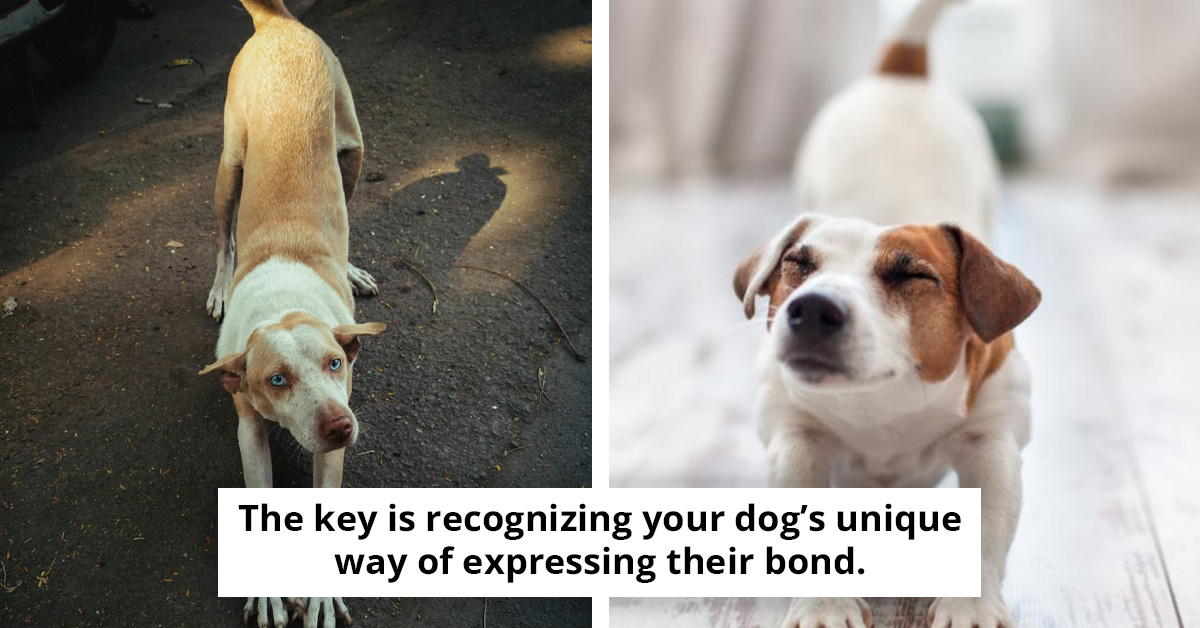
It starts with something tiny, your dog stretches the moment you walk in, like they are hitting the pause button on the whole world just to say, “I’m good, you’re here.”
But here’s where it gets complicated, because not every stretch means the same thing. Sometimes it’s a friendly greeting, sometimes it’s a “play bow” with the front end dipped and the tail staying high, and sometimes it’s just your pup loosening up after a nap or signaling they feel a little unsure around a stranger.
One deep stretch can be pure affection, or a calm little message you are only now learning to read.
Stretching is a behavior dogs typically display when they feel comfortable and relaxed.
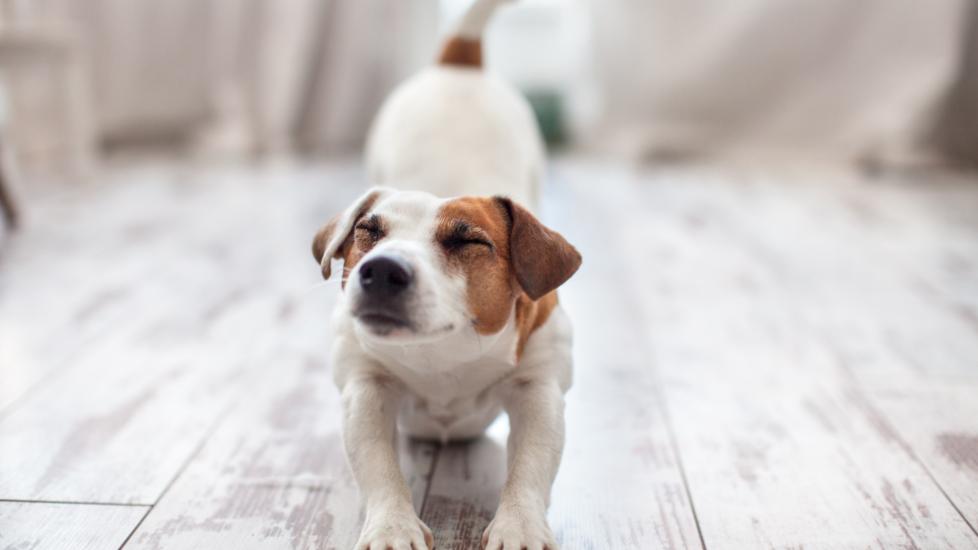 Tatyana Gladskih
That’s when the “simple greeting” turns into a full-body conversation, because your dog’s stretch is doing more than looking cute.
Sometimes, even subtle routines can act as cues.
Canine behavior reveals that stretching is a vital form of communication for dogs. This behavior, often seen as a "play bow," clearly signals a friendly intent, inviting interaction rather than displaying aggression. Recognizing this non-verbal cue can significantly enhance the bond between you and your pet. By observing your dog's body language in conjunction with their stretching, you can gain deeper insights into their emotional state and strengthen your connection with them.
Even stranger, the same stretch can show up when someone new walks by, so you end up watching tail height, energy, and whether the dog looks relaxed or tense.
Of course, stretching is not always about greetings or affection. Dogs may use it in a variety of other situations. A stretch is often considered a non-threatening gesture, and dogs might use it to signal friendliness to a stranger or another dog. In some cases, stretching can be related to discomfort.
On the lighter side, dogs commonly stretch after waking to loosen up their muscles or as a displacement behavior when feeling uncertain.
And if you’re wondering about another greeting cue, scientists break down why dogs wag their tails.
The key is recognizing your dog’s unique way of expressing their bond.
 Pexels
Then comes the play-bow version, where the front dips low, the tail stays up, and the whole vibe screams, “Come on, let’s do this.”
A well-known variation of the stretch is the play bow, in which a dog dips their front half while keeping their tail high to signal an invitation to play. Unlike a full stretch, the head may not dip as low, and the body language is often paired with wagging tails and excited energy.
Not every dog will offer the so-called “I love you stretch” when greeting their humans, and that is perfectly normal. Affection can take many forms. Some dogs show love by leaning against their owners, others with kisses, and some with excited jumps.
The key is recognizing your dog’s unique way of expressing their bond. Whether it is through a stretch, a lick, or a joyful tail wag, every gesture is part of the special language that strengthens the connection between humans and their dogs.
And when your dog does not do the “I love you stretch” at all, you realize affection can be leaning, licking, or jumping, just like their own custom greeting routine.
When your dog greets you with a deep stretch, it is more than just a simple physical maneuver; it is a nuanced form of communication. Stretching can signify a range of emotions from excitement to a display of submission. Understanding these non-verbal cues is essential for strengthening the bond between you and your furry friend. By paying attention to how your dog expresses itself in different situations, you can gain crucial insights into its emotional landscape. This awareness can significantly enhance your interactions and create a more harmonious relationship, allowing for a deeper connection built on mutual understanding.
Interpreting your dog's stretching behavior offers valuable insights into their emotional state, which can lead to a deeper bond between you and your pet. When your dog greets you with a deep stretch, it is more than just a physical gesture; it signifies comfort and affection. Engaging in activities such as playtime or training not only enhances these positive interactions but also strengthens your connection with your furry friend. Taking the time to learn about canine behavior through various resources can empower you to better understand these subtle cues, ultimately enriching your relationship.
Your dog’s deep stretch is never random, it’s their way of telling you exactly what kind of day they’re having.
Want more dog “messages”? See how a pet owner reacted when their dog raised paws.

Damjan