Meat-Eaters Warned as Wild Pigs Found With Fluorescent Blue Flesh
While the sight is surreal, scientists believe there is a grim explanation.
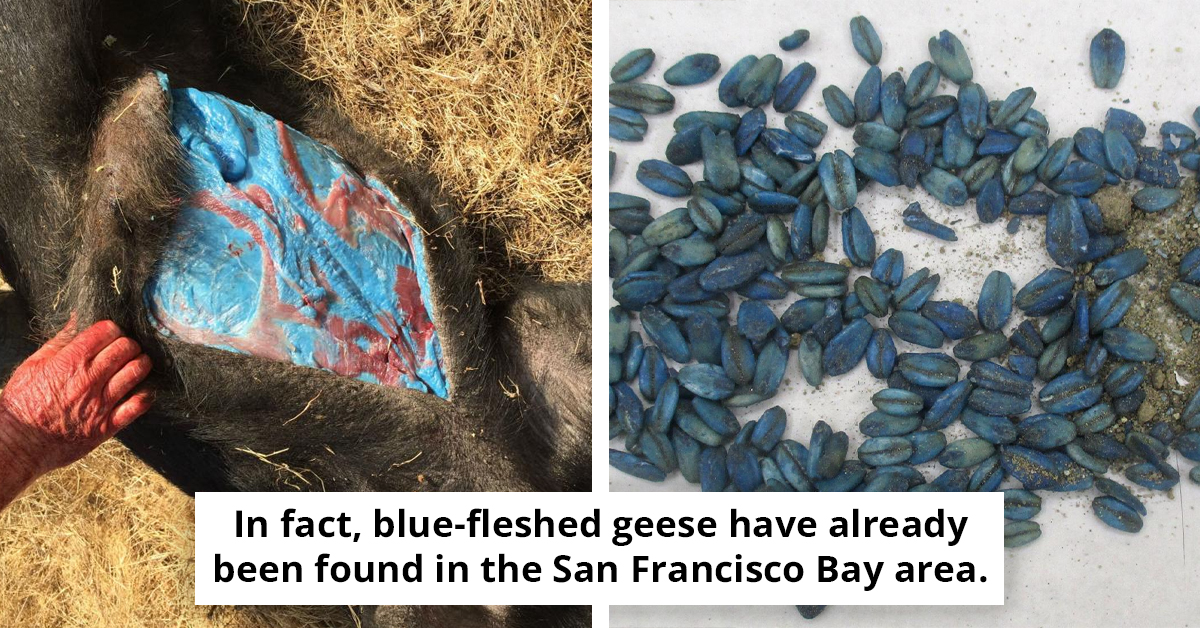
Wild pigs with fluorescent blue flesh is not the kind of thing you expect to see in California, but that is exactly what locals started reporting. Entire groups, same weird color, same unsettling vibe, and suddenly everyone is asking the same question with their stomachs, not their mouths.
It gets complicated fast because the blue meat story is tied to rodenticide bait in the landscape. Ryan Bourbour, the pesticide investigations coordinator with the California Department of Fish and Wildlife, pointed out how exposure can hit non-target animals when bait gets used near wildlife habitat. The pigs may have eaten the bait directly, or they may have picked up the chemicals by chewing on smaller animals that already had it.
And this is where the story turns from gross to scary, because it is not just pigs showing up with a neon warning label.
Entire groups have been found with the same shocking color, leaving locals bewildered and wildlife officials alarmed.
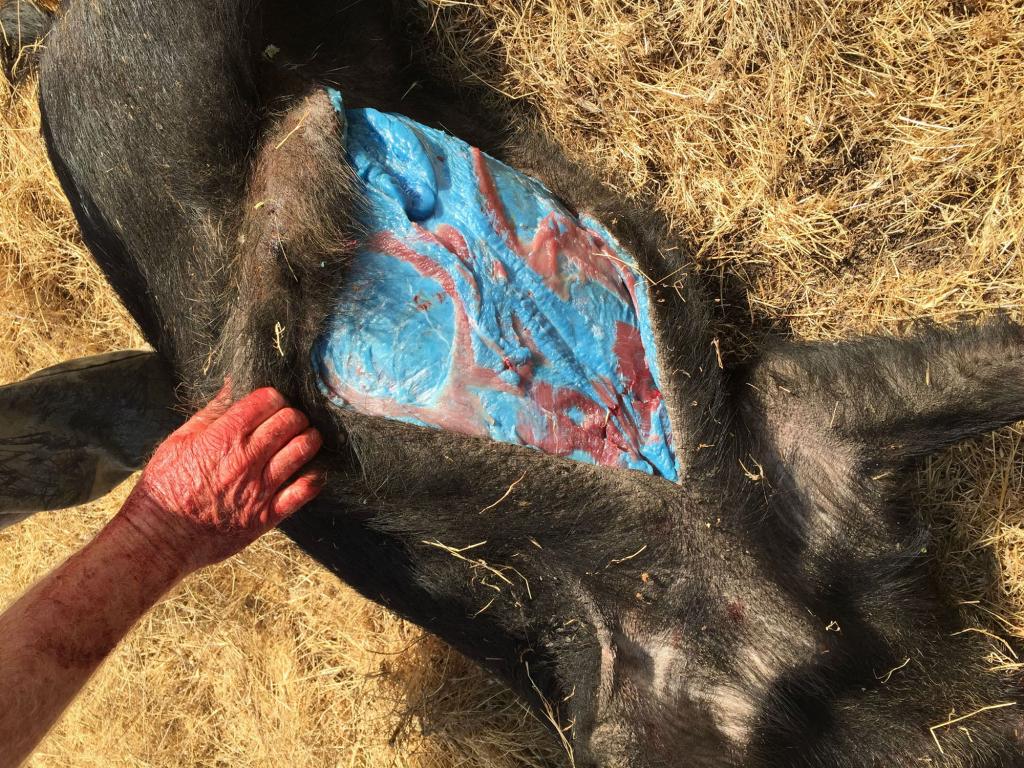
Pesticide investigations coordinator Ryan Bourbour from the California Department of Fish and Wildlife (CDFW) explained: “Rodenticide exposure can be a concern for non-target wildlife in areas where applications occur in close proximity to wildlife habitat.”
Experts believe the pigs may have directly consumed the bait or possibly eaten smaller animals that had ingested it.
The moment locals spotted those same blue pigs in groups, the whole area started looking like an open-lid mystery instead of a normal foraging scene.
The alarming sight of wild pigs with fluorescent blue flesh naturally evokes a strong visceral reaction, tapping into our instinctual fears and disgust. Such a grotesque visual cue raises immediate concerns about the safety of consuming the meat. This phenomenon underscores the biological role of disgust as a protective mechanism, alerting us to potential dangers associated with abnormal appearances in food. The vivid blue hue serves as a striking reminder that nature can produce unexpected and unsettling changes, prompting caution among hunters and consumers alike. The implications of this discovery are profound, urging a reevaluation of what we deem safe to eat in the wild.
While the sight is surreal, scientists believe there is a grim explanation.
That is when Ryan Bourbour’s explanation about rodenticide exposure near habitat made the fluorescent flesh feel less like a freak accident and more like a chain reaction.
A Wider Risk Than Just Pigs
The warning does not stop with wild pigs. Officials caution that other animals, including deer, bears, and geese, could also end up with contaminated flesh if they feed in treated areas.
In fact, there has already been a case of blue-fleshed geese discovered in the San Francisco Bay area.
What makes the situation even more dangerous is that the chemicals remain in the tissue even after cooking. This means that eating the meat of these animals could lead to poisoning in humans, making the risk not just disturbing but potentially deadly.
Wildlife officials now fear something like a 77-pound deer getting swallowed whole by an invasive python in shared scientist footage.
Although instances of blue meat have been recorded in the past, the issue has gained urgency as pig populations have grown and spread in California. The state’s wild hogs are notorious for their strength and persistence, with Burton reporting that he has seen them break into ground squirrel bait stations that were designed to be rodent-proof.
Despite tighter regulations on rodenticide use in recent years, the problem has not disappeared. With pigs raiding treated areas and contaminating themselves, the shocking sight of fluorescent blue flesh may become more common.
Then the San Francisco Bay blue-fleshed geese case popped up, and suddenly deer, bears, and geese sounded like they were in the same danger zone as the hogs.
What Should Hunters and Meat-Eaters Do?
Even if it looks like just fat that has turned blue, the poison can still be present throughout the tissue.
While it may be tempting for some to see it as a curiosity—or worse, a social media stunt—officials warn that the risks are far too great.
For now, the unsettling discovery serves as a reminder of how human attempts to control pests can have far-reaching and unexpected consequences for wildlife—and for anyone who consumes it.
The discovery of wild pigs with fluorescent blue flesh raises significant concerns not only for health but also for psychological reactions to unfamiliar foods. This phenomenon taps into the concept of neophobia, which describes a natural aversion to new or unfamiliar items, particularly when it comes to food. The striking appearance of blue pig flesh is likely to trigger heightened fear and disgust responses in potential consumers. This instinctive reaction can be viewed as an evolutionary survival mechanism, designed to help individuals avoid potentially harmful substances. Given the bizarre nature of this finding, it is crucial for hunters and the public to heed these instincts and exercise caution before considering the consumption of such unusual meat.
The scariest part is the one everyone hates to hear, the chemicals can stay in tissue even after cooking, so “just grill it” is not the comfort people want.</p>
The unsettling discovery of wild pigs with fluorescent blue flesh has undoubtedly raised eyebrows and sparked significant health warnings. This situation illustrates how risk perception can be heavily influenced by emotional responses and societal narratives. The vivid imagery of blue flesh evokes a sense of dread and unfamiliarity, which can amplify fear and uncertainty among potential consumers. The combination of shock and the bizarre nature of this phenomenon only adds to the growing apprehension surrounding the consumption of such meat.
The shocking sight of wild pigs with fluorescent blue flesh in California has triggered a visceral reaction among hunters and the public alike. This phenomenon can be interpreted through the lens of psychological principles that illuminate our instinctual responses. Fear and disgust are fundamental emotions that have evolved to protect us from potential dangers, and the bizarre appearance of these pigs undoubtedly elicits such reactions. The unexpected nature of the discovery challenges our assumptions about the natural world, provoking a deep-rooted survival instinct that drives our aversion to consuming anything that appears unnatural. Understanding these psychological mechanisms is crucial as it allows individuals to process their feelings of fear and disgust, leading to more informed and rational decision-making in the face of the unknown. As we navigate this unsettling discovery, heightened awareness of our emotional responses can empower us to respond thoughtfully rather than reactively in similar situations in the future.
That blue dinner might look like a prank, but the poisoning risk is the kind you do not gamble on.
After the blue-flesh pigs, watch how caviar gets harvested in the horrifying process that has people demanding a ban.

Damjan