52 Stunning Bird Photos That Reveal Nature's Most Incredible Moments
Award-winning photographer Kallol Mukherjee captures breathtaking scenes hidden in the wild.
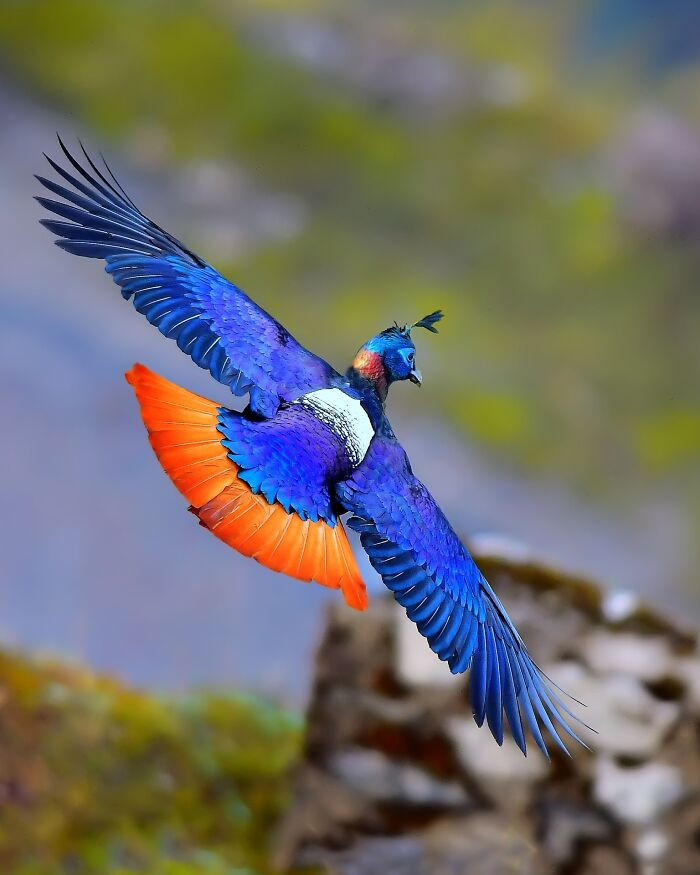
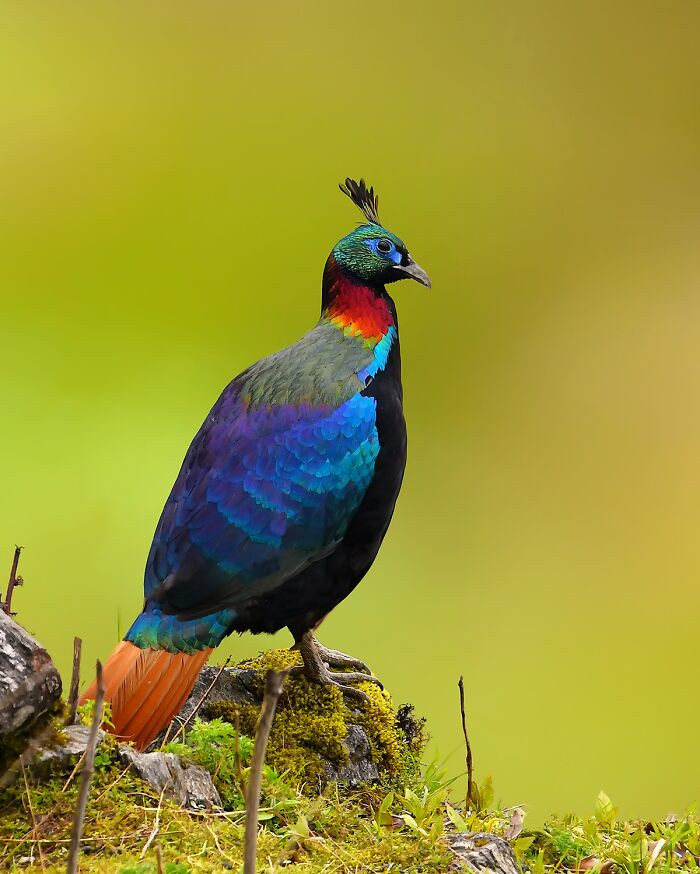
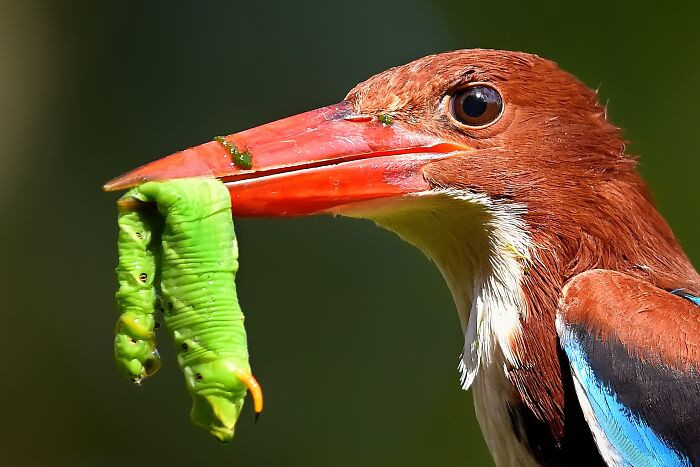
Kallol Mukherjee’s bird photos hit different, because they don’t feel rushed. One minute you’re staring at “Himalayan Monal,” the next you’re locked in on the “White-Throated Kingfisher,” like the whole landscape is holding its breath for the next wingbeat.
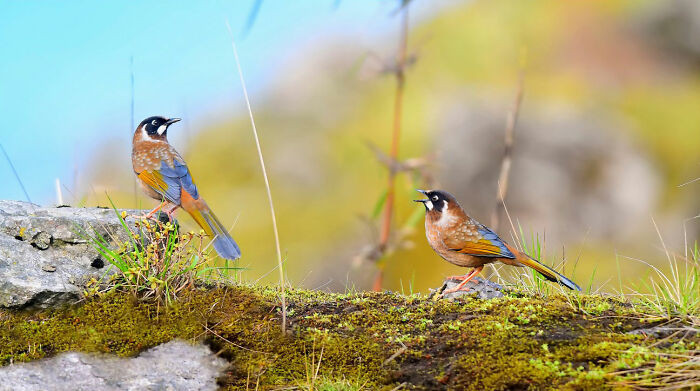
Here’s the complicated part, Mukherjee isn’t just walking around and hoping for a cool shot. He spends hours waiting, staying still while birds do what birds do, darting, diving, and vanishing at the exact moment you think they’re about to pose. That kind of patience is rare, and it’s what makes every “Black-Faced Laughingthrush” and “Grandala” feel earned.
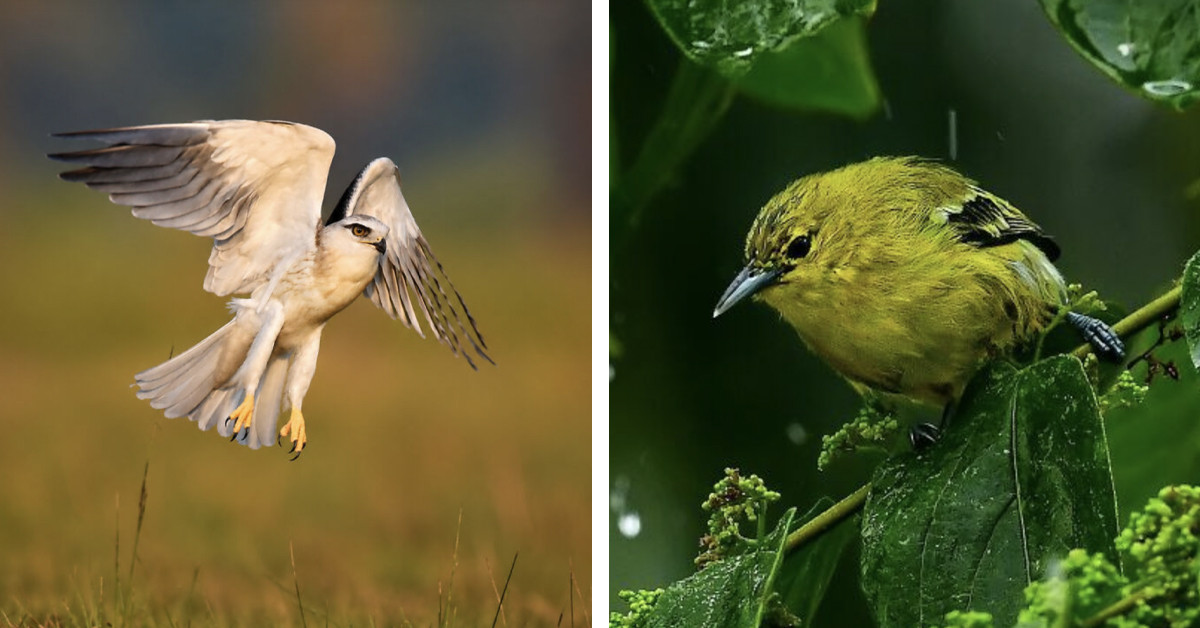
By the time you reach the “Black-Winged Kite And Crow,” you realize this isn’t a photo dump, it’s a slow, real-time story of nature refusing to perform on demand.
“Himalayan Monal”
 Kallol Mukherjee
“Himalayan Monal”
 Kallol Mukherjee
“White-Throated Kingfisher”
 Kallol Mukherjee
The Art of Patience
Kallol Mukherjee's journey into bird photography highlights a level of dedication that’s increasingly rare in our fast-paced world. Spending countless hours waiting for the perfect moment to capture a bird in flight shows not only his skill but also his deep respect for nature. This isn’t just about snapping a photo; it’s about building a relationship with the environment around him. In an age where instant gratification is the norm, Mukherjee’s work serves as a reminder that true artistry often requires time and perseverance.
His ability to remain still and observant during those long waits is a skill that many might overlook, yet it’s crucial for capturing the fleeting beauty of birds. Each photo tells a story of patience and precision, which resonates deeply with anyone who's tried to capture a moment in time.
“Black-Faced Laughingthrush”
 Kallol Mukherjee
“Grandala”
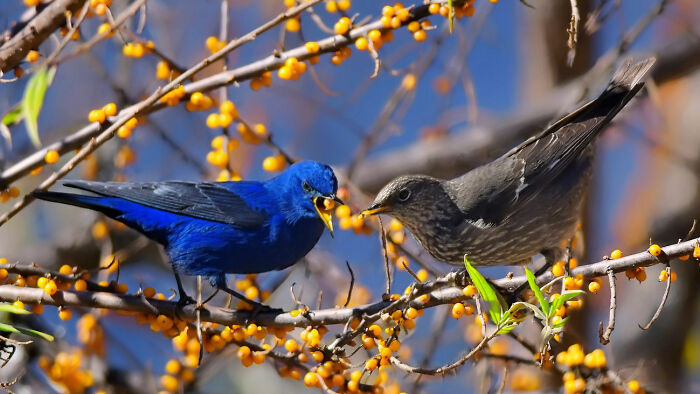 Kallol Mukherjee
“Black-Winged Kite And Crow”
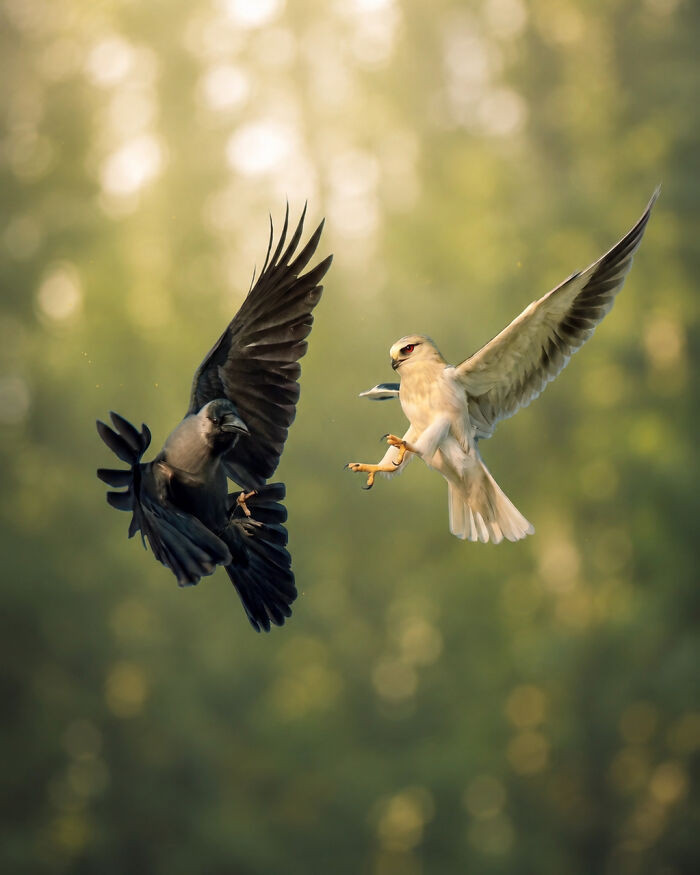 Kallol Mukherjee
Nature's Hidden Treasures
Mukherjee's focus on birds reveals a side of nature that many might never see. Birds, with their elusive behaviors and vibrant colors, represent not just wildlife but the intricate tapestry of ecosystems. By showcasing these moments, Mukherjee invites us to appreciate the smaller, often overlooked elements of our environment. His work encourages people to look beyond the more obvious aspects of wildlife photography.
This creates a powerful connection between the viewer and the subject, making each photograph an entry point into understanding broader ecological themes. It’s not just about pretty pictures; it’s about raising awareness of the delicate balance that supports life.
“Brahminy Kite”
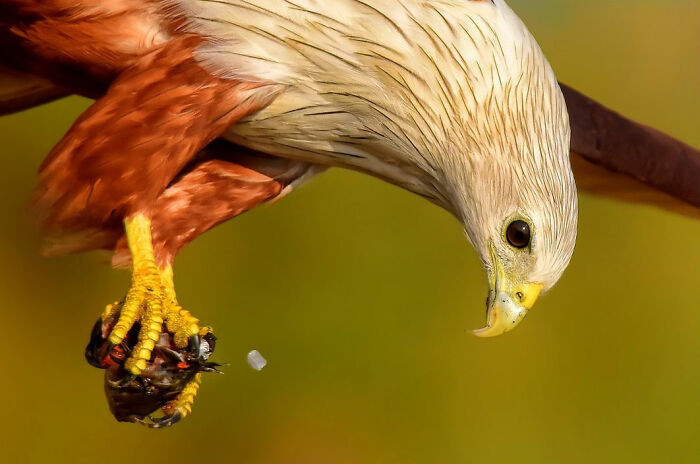 Kallol Mukherjee
“Himalayan Black Bulbul”
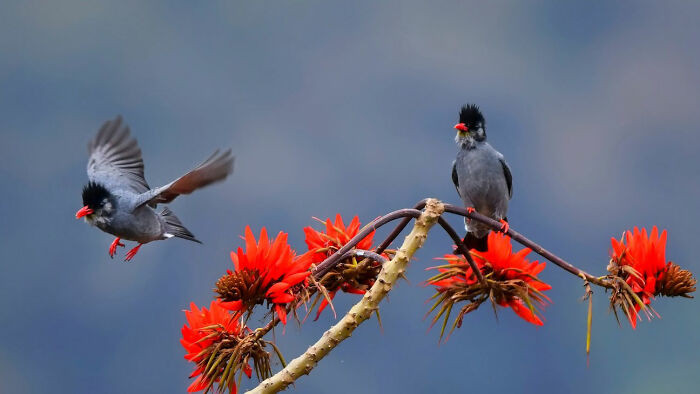 Kallol Mukherjee
“Scarlet Finch”
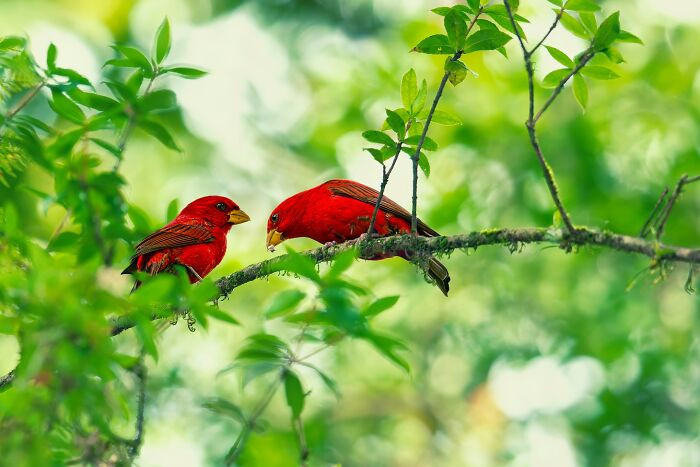 Kallol Mukherjee
Mukherjee’s “Himalayan Monal” sets the tone, because you can practically feel the hours of waiting behind that single frame.
The Global Perspective
Mukherjee’s international reputation raises interesting questions about the global appreciation for wildlife photography.
“Ferruginous Duck”
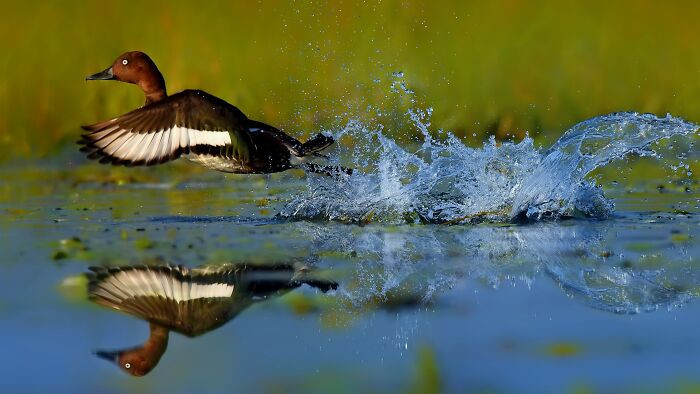 Kallol Mukherjee
“Great Crested Grebe”
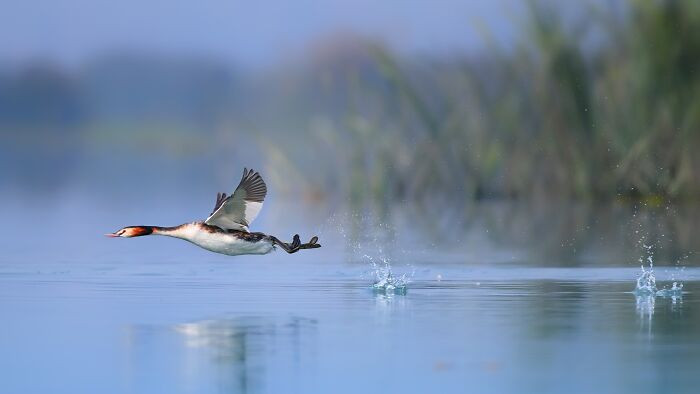 Kallol Mukherjee
“Glossy Ibis”
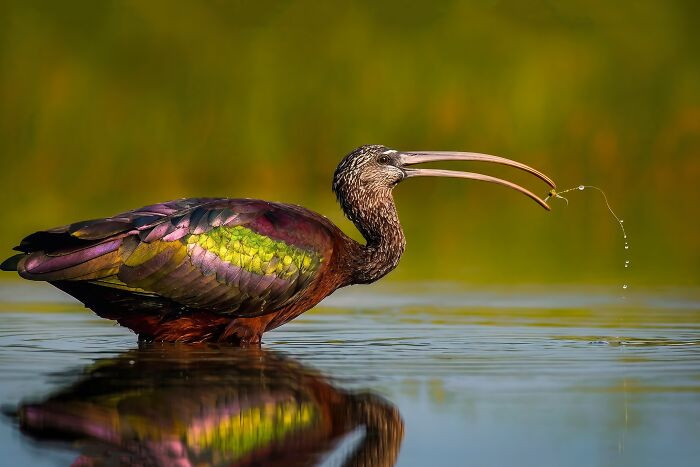 Kallol Mukherjee
The Challenge of Accessibility
While Mukherjee's work is stunning, it’s essential to acknowledge that not everyone has the same access to nature or the ability to pursue such a passion. The resources required for bird photography—from quality equipment to the time needed for long waits—can create barriers. This can lead to a lack of representation in wildlife photography, as often only those with means can participate.
As Mukherjee shines a light on the beauty of birds, it raises a crucial question: How can the photography community become more inclusive, ensuring that diverse voices and perspectives are represented in the conversation about nature?
“Blue-Fronted Redstart”
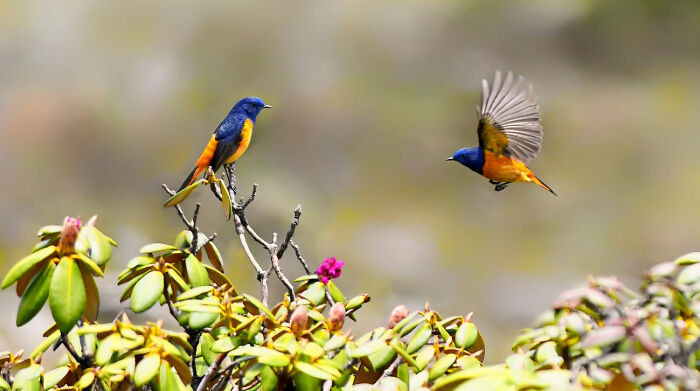 Kallol Mukherjee
“Mid-Size Flock Of Grandala”
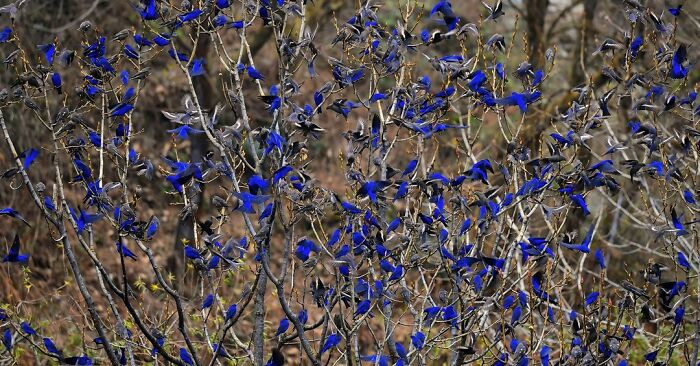 Kallol Mukherjee
“Pied Kingfisher”
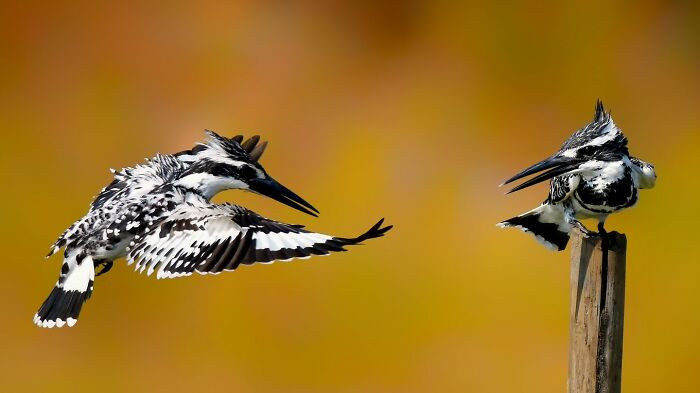 Kallol Mukherjee
The Emotional Connection
Each of Mukherjee’s photographs captures a fleeting moment, a reminder of the beauty that exists in our world. This emotional connection can spark profound reflections about our own lives and the natural world. In times of global uncertainty, such images provide a sense of hope and tranquility, serving as an escape from daily stresses.
People often turn to nature for solace, and Mukherjee’s work embodies that yearning. His photography not only showcases the birds but also evokes feelings of peace, encouraging viewers to seek out their own connections with nature.
“Northern Shoveler”
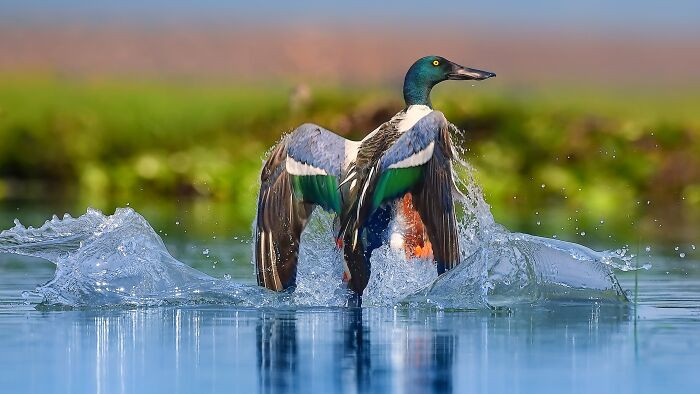 Kallol Mukherjee
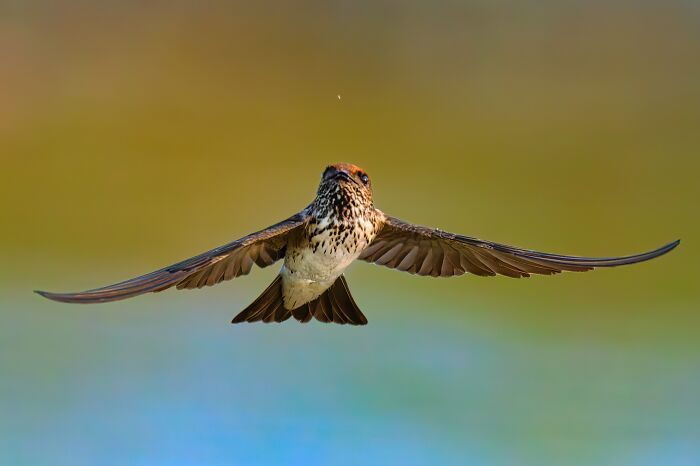
“Streak-Throated Swallow”
 Kallol Mukherjee
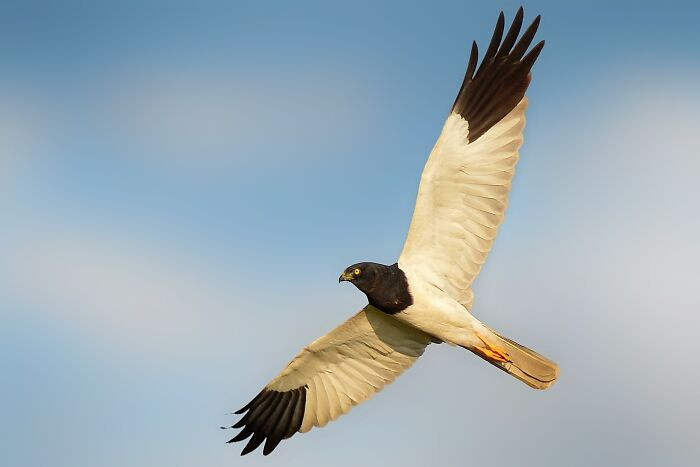
“Pied Harrier”
 Kallol Mukherjee
Birds as Indicators
Mukherjee’s focus on birds serves a dual purpose: capturing beauty and acting as indicators of environmental health. Birds are often considered barometers for ecological stability, making their well-being a crucial factor in understanding broader environmental issues. By documenting their behavior and habitats, Mukherjee highlights the significance of conservation efforts.
This adds layers to his photography. It’s not merely about aesthetics; it’s about raising awareness of the challenges that many bird species face due to habitat loss and climate change. His work becomes a call to action, urging viewers to consider their role in preserving these incredible creatures.
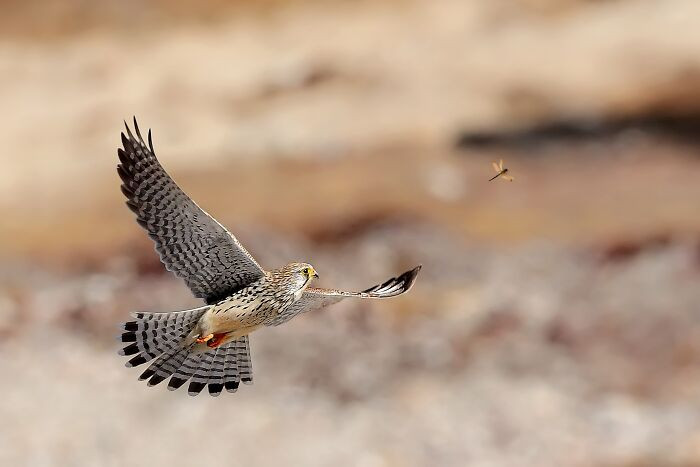
“Common Kestrel”
 Kallol Mukherjee
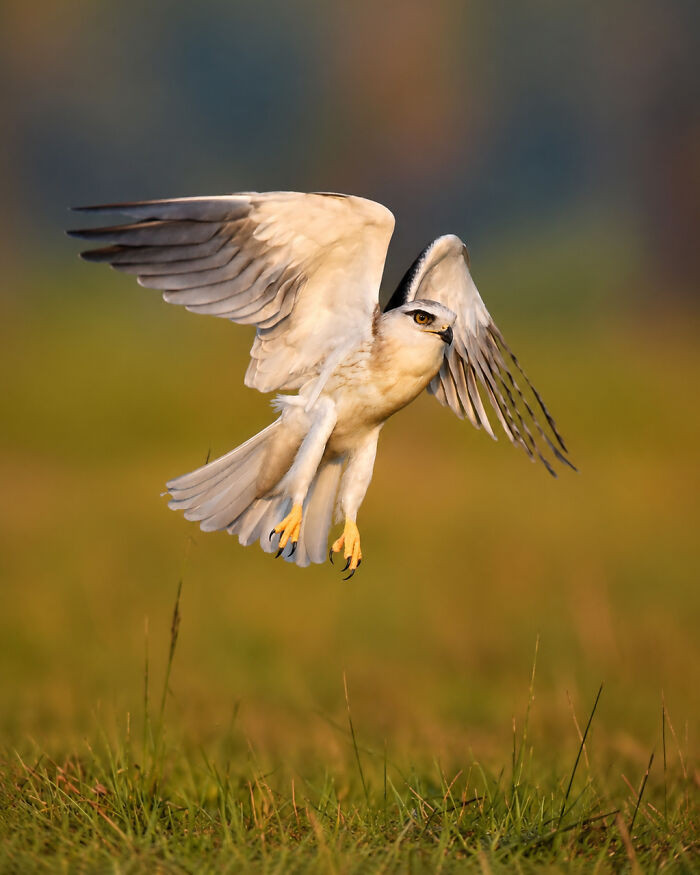
“Black-Winged Kite”
 Kallol Mukherjee
“Barn Swallow”
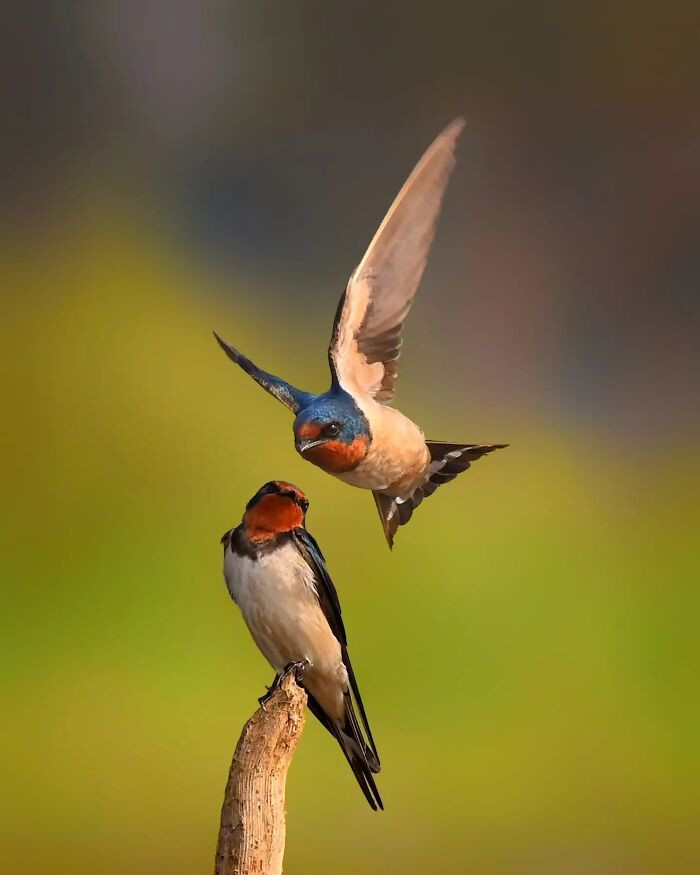 Kallol Mukherjee
Then “White-Throated Kingfisher” kicks in, showing how staying perfectly still matters when the action only lasts a blink.
Mukherjee’s success in bird photography can’t be discussed without acknowledging the role of technology. Advances in camera equipment have allowed photographers to capture stunning images with incredible detail, but it also raises questions about the ethics of wildlife photography. How much should technology influence our approach to nature?
There’s a fine line between capturing a moment and intruding on a subject’s natural behavior. Mukherjee seems to navigate this balance well, but it’s a reminder that as technology evolves, so must our ethical considerations regarding wildlife photography.
This is similar to the real wildlife moments that can’t be rushed, even when AI tries to perfect everything.
“Small Pratincole”
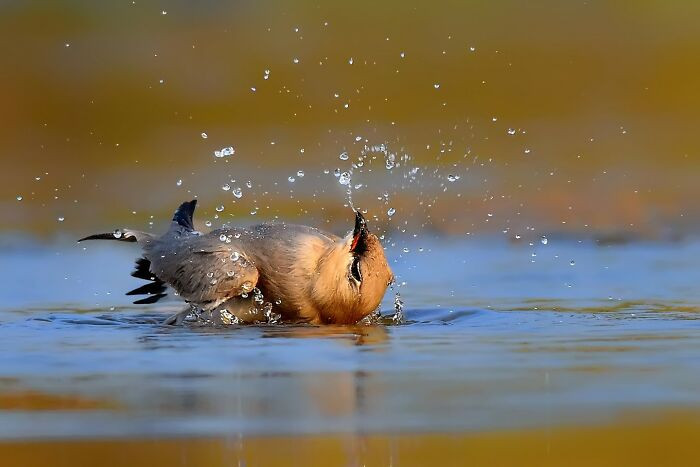 Kallol Mukherjee
“Spotted Nutcracker”
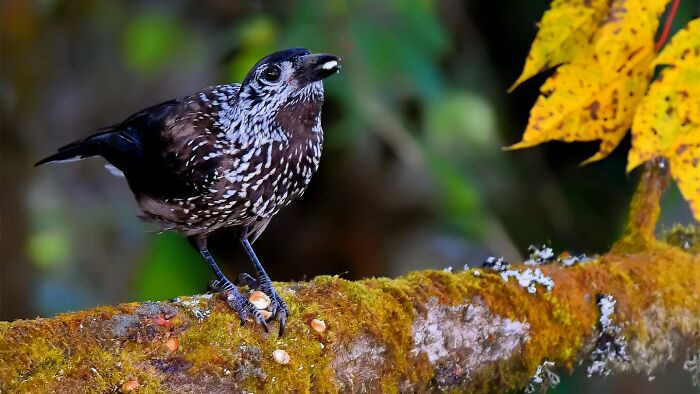 Kallol Mukherjee
“Whiskered Tern”
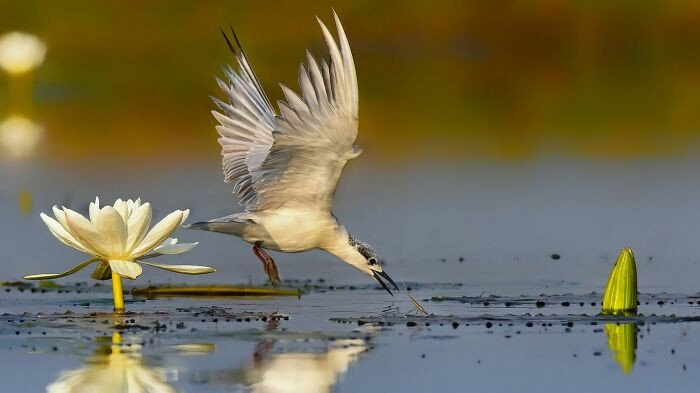 Kallol Mukherjee
Based in Singur, Mukherjee's work isn't just about individual artistry; it reflects the broader conservation efforts happening in West Bengal. His photography can serve as a visual advocacy tool, highlighting the rich biodiversity of the region and the need for its preservation. As local habitats face increasing pressures, Mukherjee’s images can inspire action and awareness.
By capturing the essence of local bird species, he elevates their importance in the ecological landscape, prompting viewers to consider their own responsibility in protecting these natural wonders. This local-global connection in conservation is powerful.
“Black-Tailed Godwits”
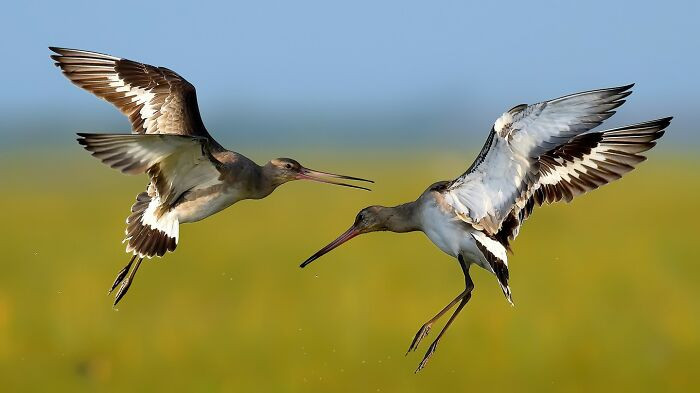 Kallol Mukherjee
“Barn Swallow”
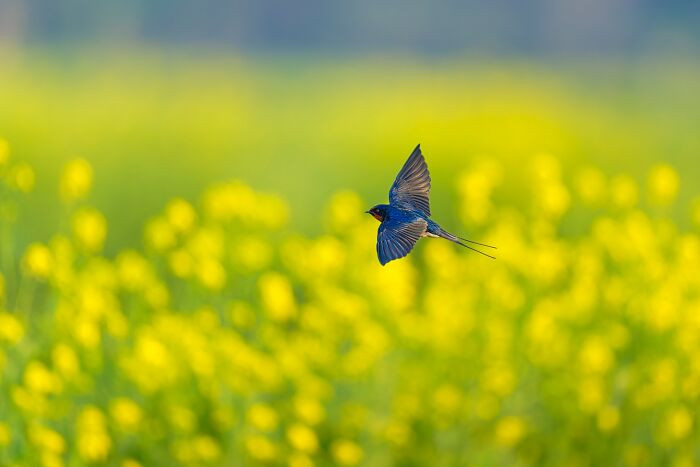 Kallol Mukherjee
“Common Kestrel”
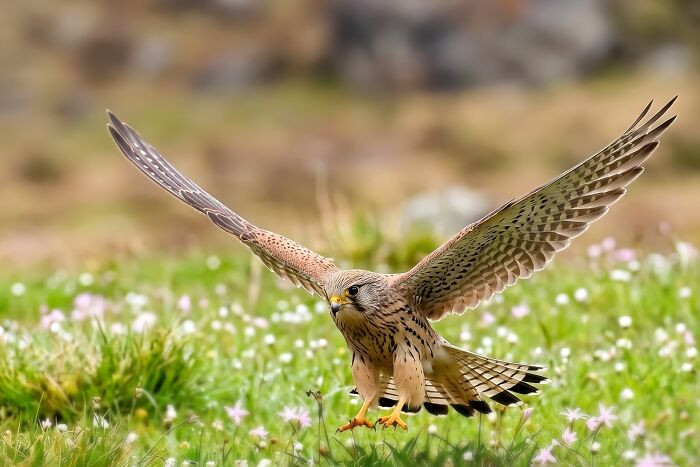 Kallol Mukherjee
A Personal Journey
Mukherjee's two-decade journey into bird photography is also a personal narrative of passion and commitment. It shows how one person can dedicate their life to a cause, becoming an expert through sheer love for their subject. This story resonates with anyone who’s ever pursued a passion against the odds.
His dedication challenges the notion that success is solely defined by fame or financial gain. Instead, it’s about the joy of discovery and the thrill of capturing moments that tell a story. This personal connection to his work makes it all the more engaging for audiences.
“Little Egret”
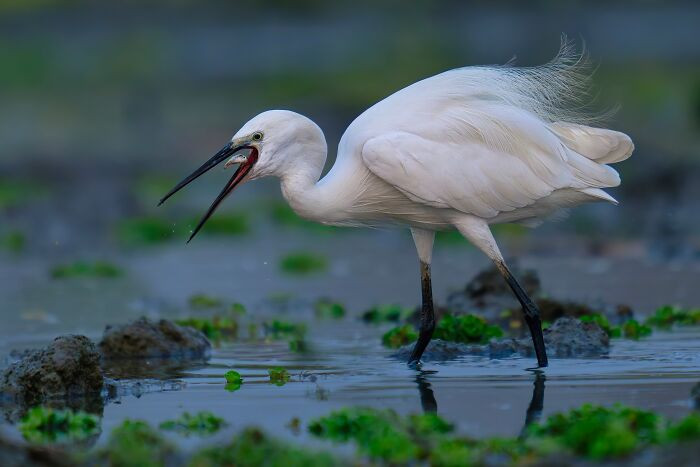 Kallol Mukherjee
“Egrets”
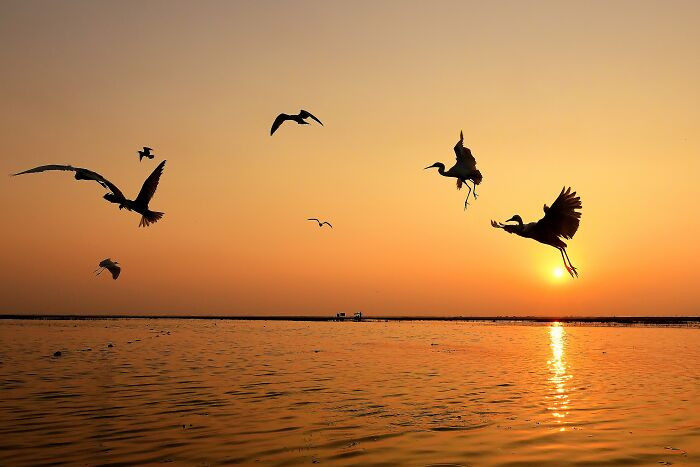 Kallol Mukherjee
“Himalayan Cutia”
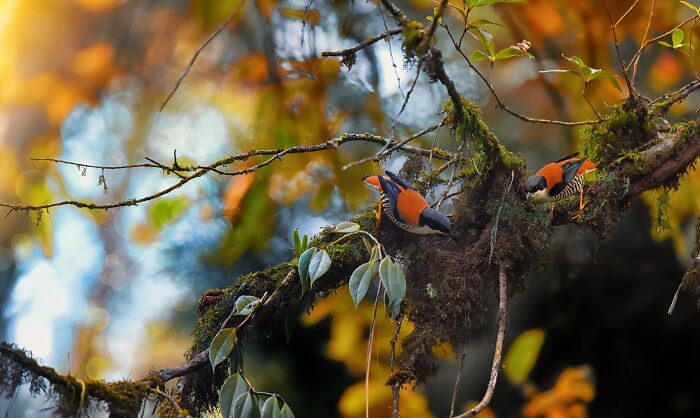 Kallol Mukherjee
After the “Black-Faced Laughingthrush” and “Grandala,” you start noticing the hidden stuff, the tiny ecosystem details you’d miss if you weren’t looking longer.
The Community's Response
The reception of Mukherjee’s work within the photography community highlights the tension between traditional and modern photography. Some purists might argue that wildlife photography should remain untouched by technology, while others embrace the advancements that enhance creativity and accessibility.
This debate reflects broader conversations in art about authenticity versus innovation. Mukherjee's ability to bridge these perspectives makes his work not only visually stunning but also a catalyst for dialogue about the future of wildlife photography.
“Kestrel”
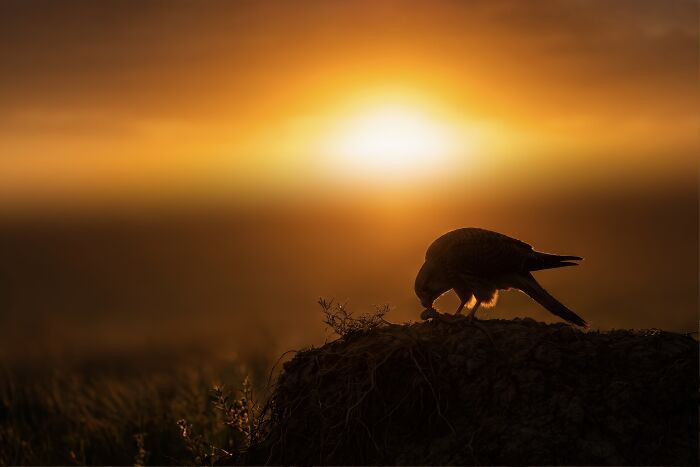 Kallol Mukherjee
“Blue-Tailed Bee-Eater”
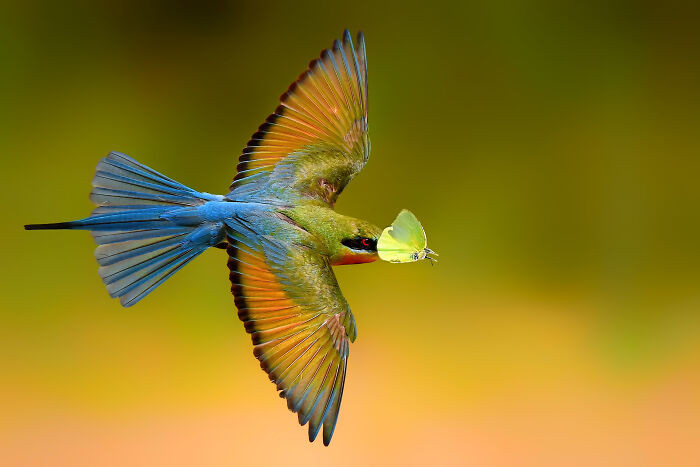 Kallol Mukherjee
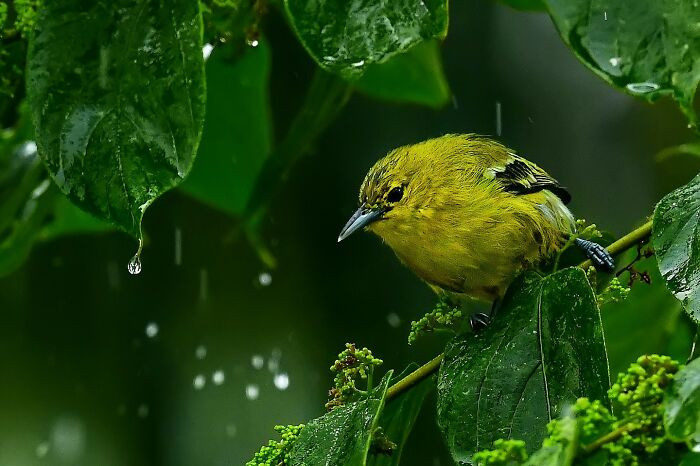
“Common Lora”
 Kallol Mukherjee
Cultural Significance
The cultural context of Mukherjee’s work is also worth noting. In Indian traditions, birds often symbolize freedom and spiritual messages. By capturing these creatures, Mukherjee taps into a rich cultural narrative that resonates with local and global audiences alike.
This layered significance adds depth to his photography, making it more than just a visual experience. It invites viewers to consider the cultural meanings behind the images, enhancing their appreciation for both the subject and the artist’s intent.
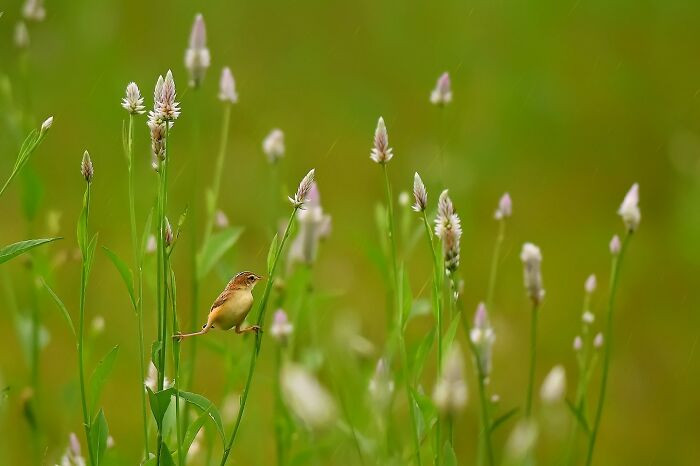
“Plain Prinia”
 Kallol Mukherjee
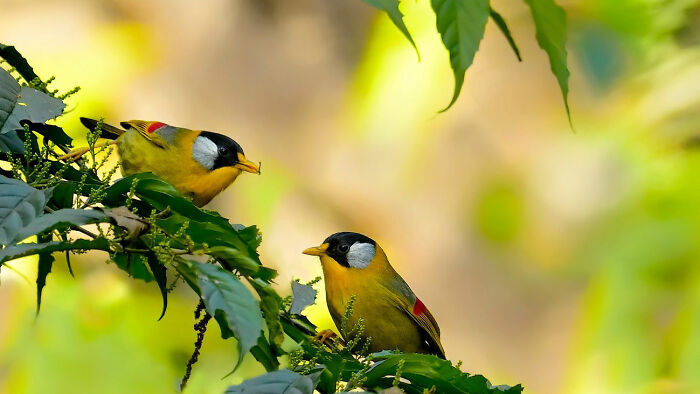
“Silver-Eared Mesia”
 Kallol Mukherjee
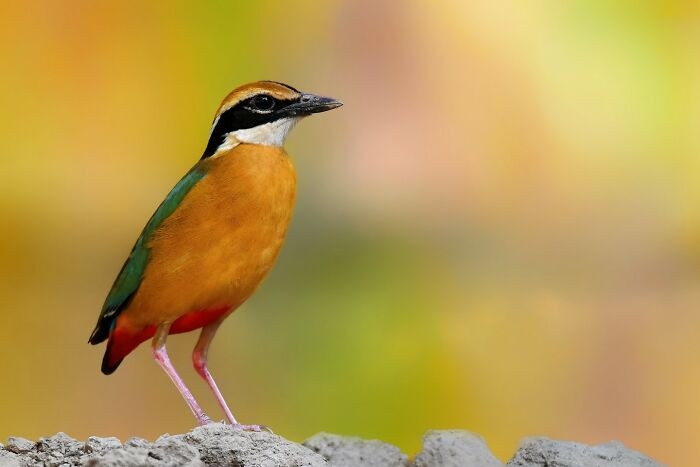
“Indian Pita”
 Kallol Mukherjee
The Balance of Art and Science
Mukherjee's work exemplifies the intersection of art and science, as he combines aesthetic beauty with ecological insight. Each photo is not just a piece of art; it’s a scientific observation that documents behaviors and habitats. This duality enriches the viewing experience, making it more engaging for diverse audiences.
As conservation efforts increasingly rely on scientific data, Mukherjee’s artistic lens provides a compelling way to communicate critical messages about biodiversity and environmental issues. His work enhances the understanding that art can be a powerful tool for advocacy.
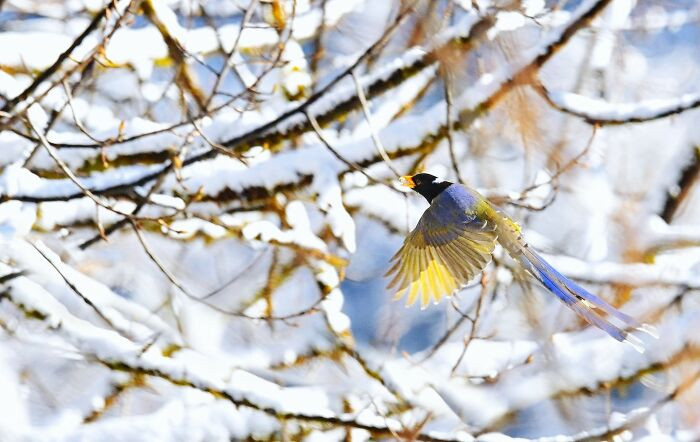
“Yellow-Billed Blue Magpie”
 Kallol Mukherjee
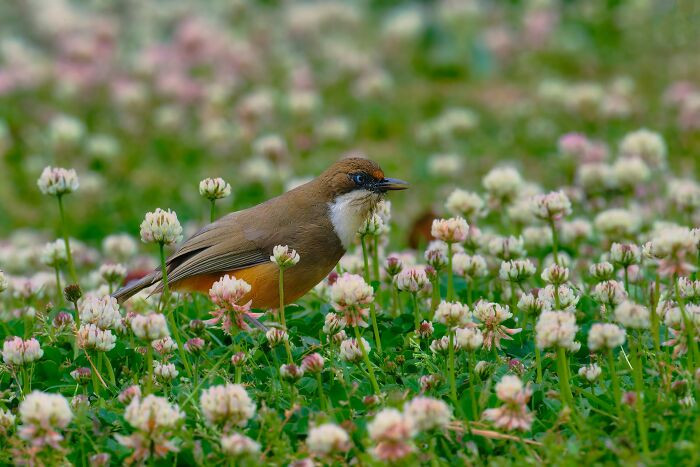
“White-Throated Laughingthrush”
 Kallol Mukherjee
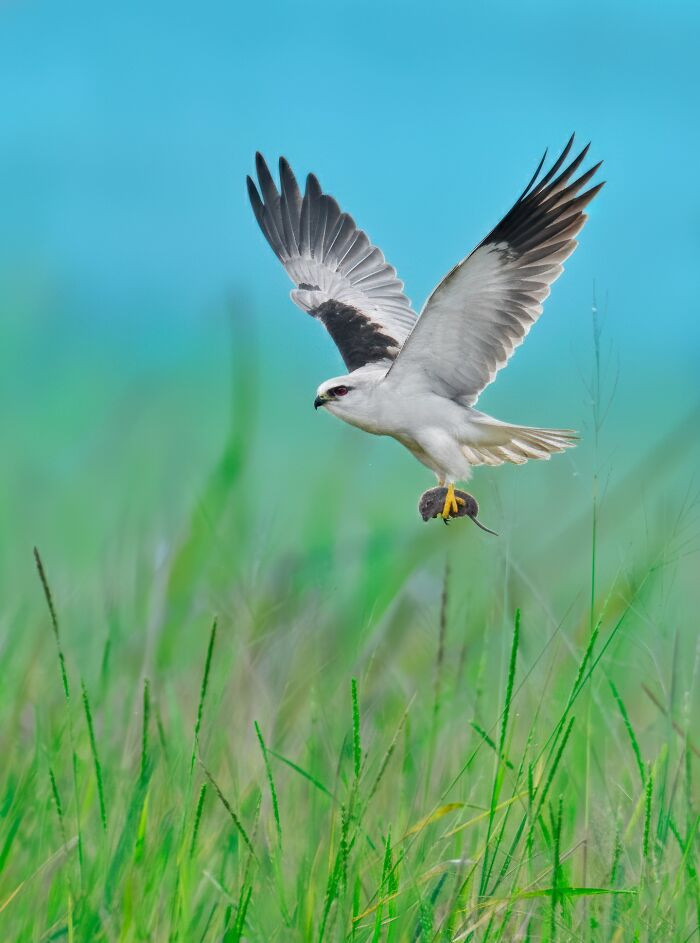
“Black-Shouldered Kite”
 Kallol Mukherjee
The Shift in Wildlife Photography
The evolution of wildlife photography is evident in Mukherjee’s approach. As more photographers enter the field, there’s a shift towards documenting not just the beauty of animals but also their struggles. Mukherjee’s work reflects this change, highlighting the importance of storytelling in wildlife photography.
By focusing on the real challenges faced by birds, Mukherjee doesn't shy away from the harsher realities of nature. This adds a layer of urgency to his art, prompting viewers to consider their role in conservation and the future of these species.
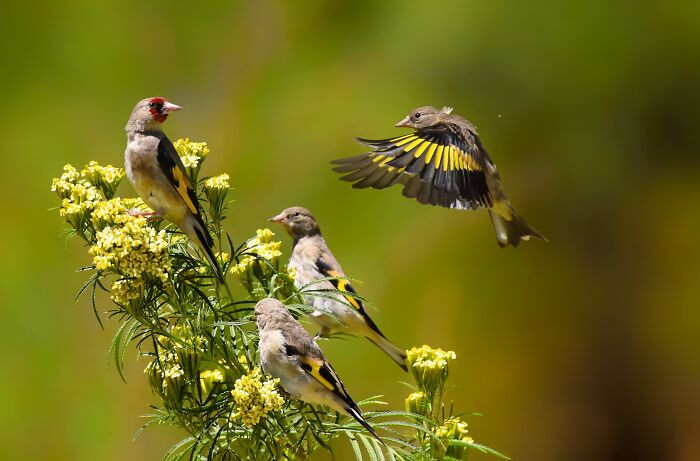
“European Goldfinch”
 Kallol Mukherjee
“European Goldfinch”
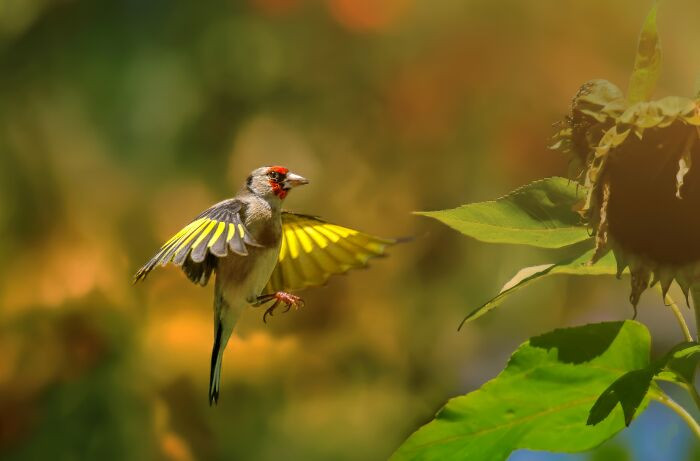 Kallol Mukherjee
“Pied Harrier”
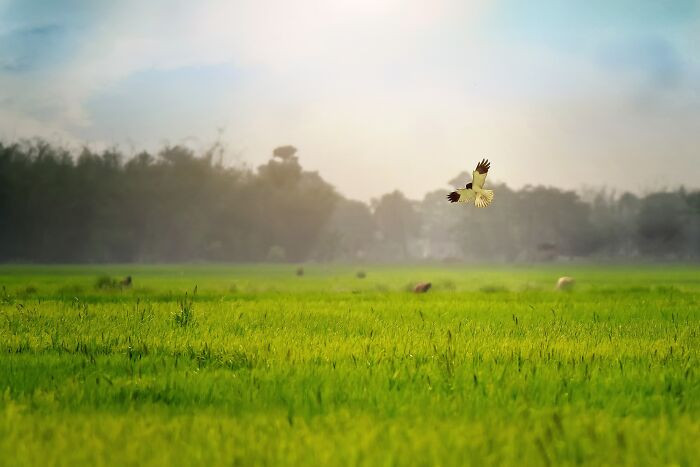 Kallol Mukherjee
By the time you hit “Brahminy Kite,” “Ferruginous Duck,” and “Great Crested Grebe,” it becomes clear this global bird parade is built on one stubborn thing: patience.
The Joy of Discovery
There’s an undeniable joy that comes through in Mukherjee’s photography. His images capture the sheer thrill of discovery, evoking a sense of wonder that many of us may have lost in our daily lives. This is particularly poignant in a time when digital distractions can overshadow the simple pleasures of observing nature.
His photographs remind us of the beauty that exists all around us, encouraging viewers to engage with their environment. It’s a call to step outside, pause, and appreciate the world, which is a message that resonates deeply in today’s context.
“Common Kestrel”
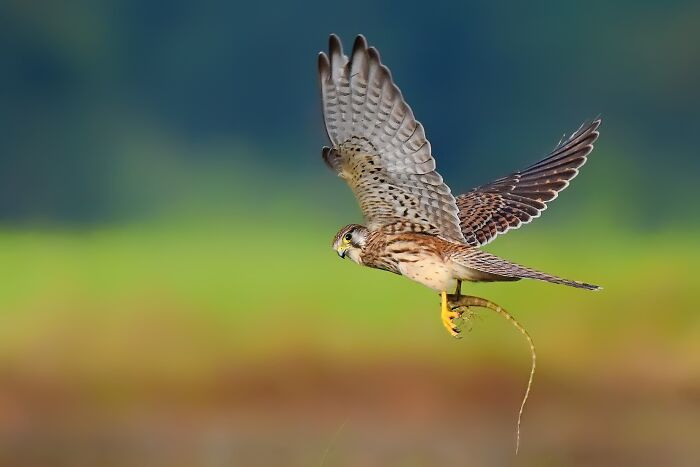 Kallol Mukherjee
“Great Egret”
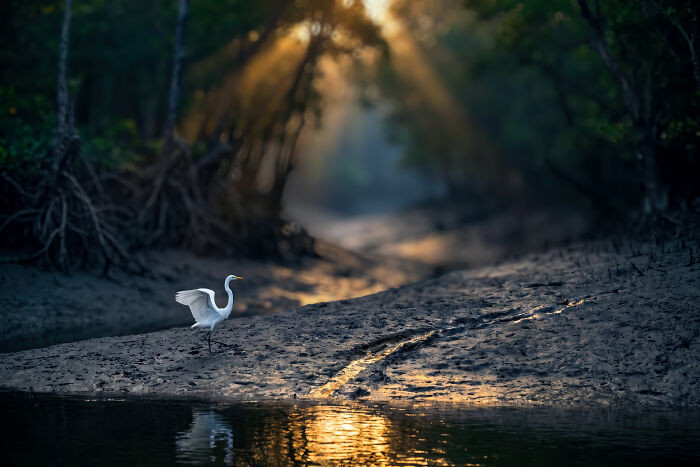 Kallol Mukherjee
“Shaheen Falcon”
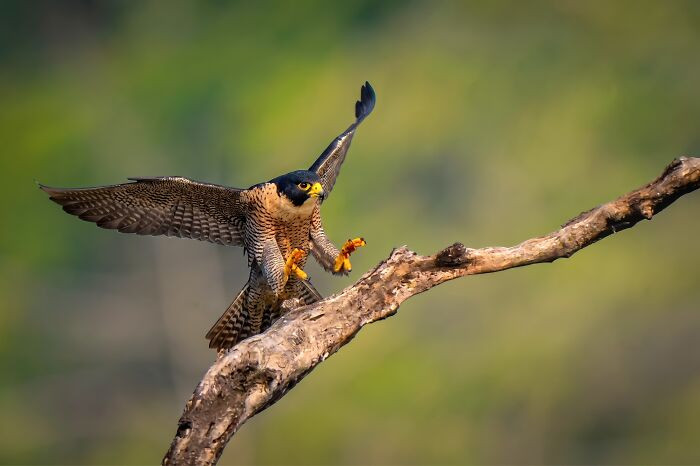 Kallol Mukherjee
The Legacy of Wildlife Photography
Mukherjee’s body of work contributes to a larger legacy in wildlife photography, where each image can inspire change and raise awareness about conservation. As the world grapples with climate change and habitat destruction, his photographs serve not only as art but as a historical record of the species and ecosystems that need protection.
This legacy goes beyond aesthetics; it’s about ensuring that future generations can experience the same wonder that Mukherjee captures. His commitment to this field makes a strong case for the importance of wildlife photography in our evolving dialogue about nature.
“Tricolored Munia”
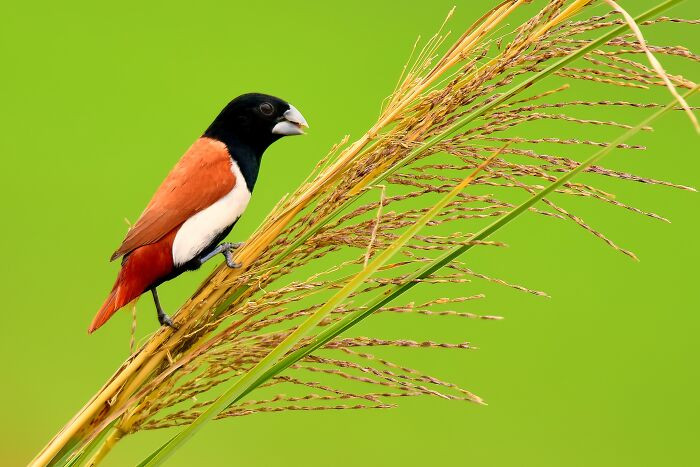 Kallol Mukherjee
“Golden Bush Robin”
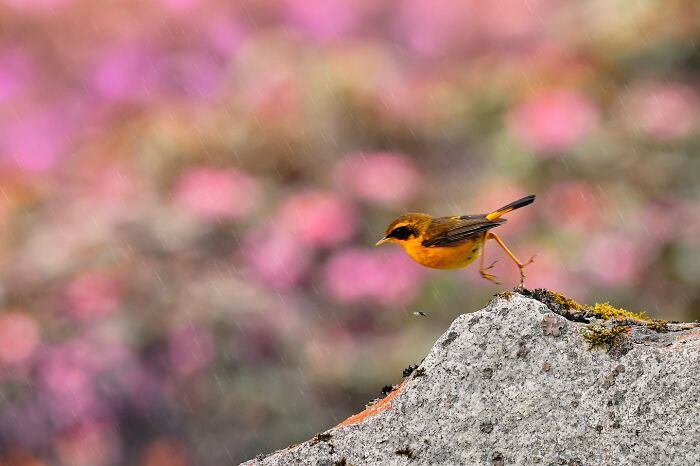 Kallol Mukherjee
“Barn Swallows”
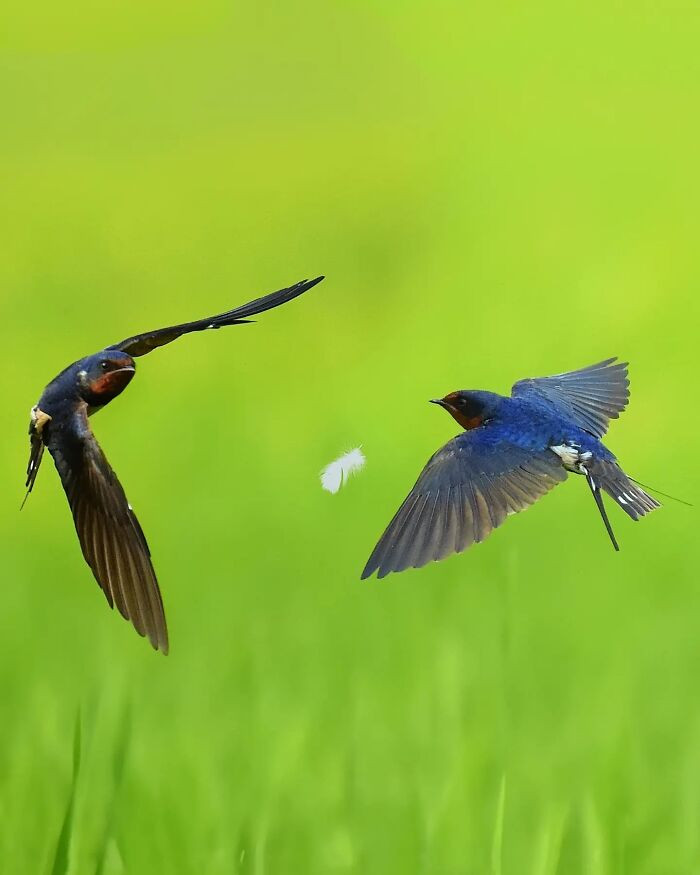 Kallol Mukherjee
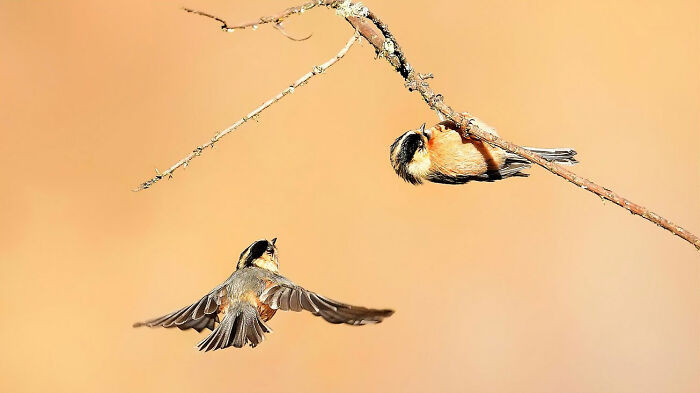
“Rufous-Fronted Tit”
 Kallol Mukherjee
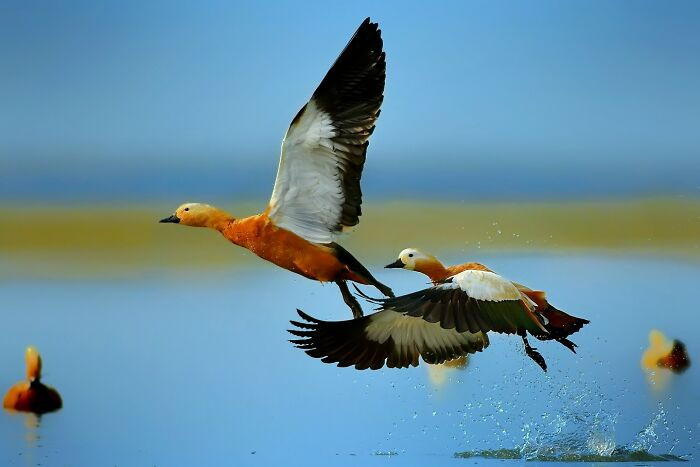
“Ruddy Shelducks”
 Kallol Mukherjee
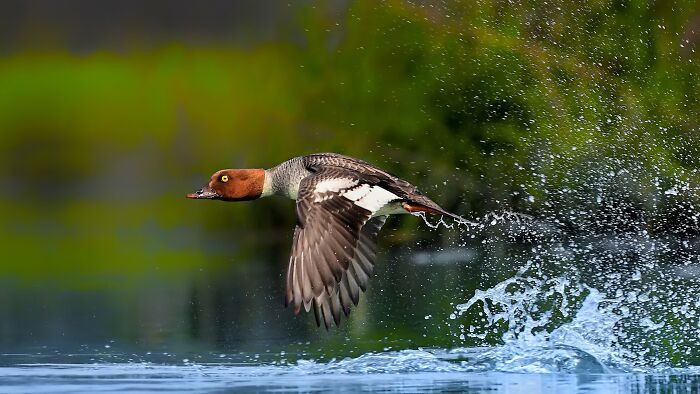
“Common Goldeneye”
 Kallol Mukherjee
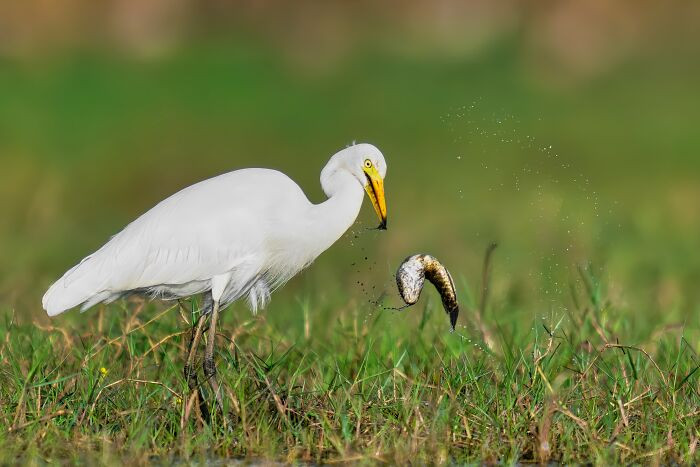
“Great Egret”
 Kallol Mukherjee
Kallol Mukherjee's photography proves that remarkable wildlife images come from persistence as much as technical skill.
His collection captures the beauty, intelligence, and complexity of birds in ways that inspire admiration while reminding viewers why protecting natural habitats remains so important.
Every photograph tells a small story that might otherwise have gone unnoticed.
The Bigger Picture
Kallol Mukherjee’s stunning bird photos do more than just captivate; they tell a story of dedication, environmental awareness, and cultural significance. His journey challenges us to rethink our relationship with nature and the role of photography in advocacy. As we consider the complexities of wildlife conservation, Mukherjee's work invites us to engage more deeply with the world around us. How can we, like Mukherjee, cultivate a sense of patience and responsibility towards our environment?
If you rush the moment, you miss the whole story, and Mukherjee’s photos prove it.
After the “welcome” in the Kalahari, see how a wildlife photographer handled the meerkat chaos in the funniest visitor greeting.

Damjan