Farm Animals List With Names, Pictures, and Short Facts
A practical A-to-Z-style guide to familiar livestock, poultry, working animals, and less common farm species.
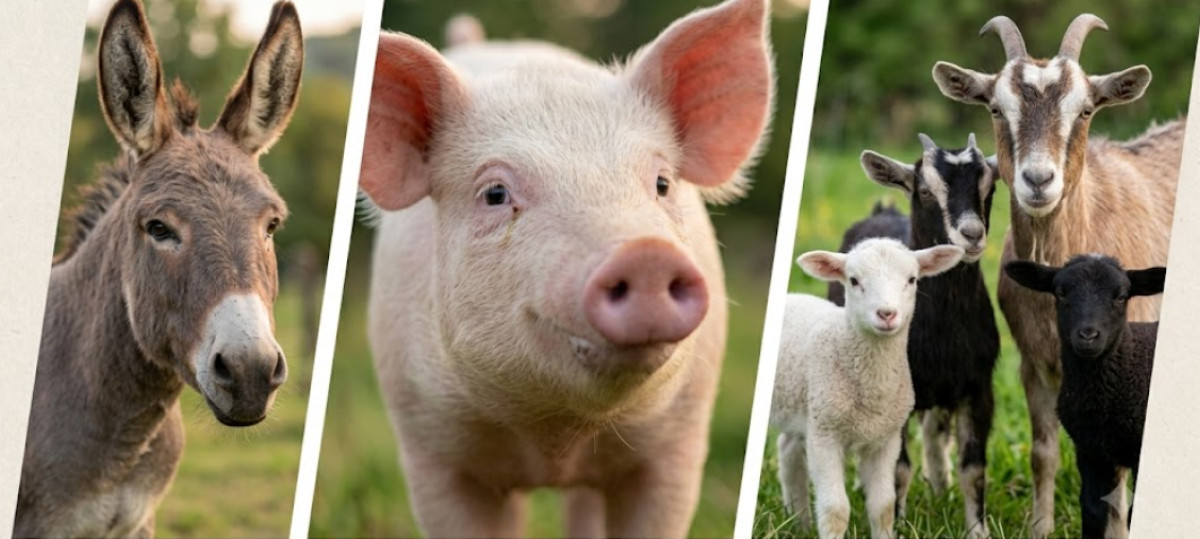
It started as a small barn tour, the kind where you expect the usual list of farm animals, and instead you get a full-on lesson in how each species thinks, eats, and behaves in a herd.
One minute you’re staring at cattle, learning how cows, bulls, and calves fit together, then the next you’re hearing about a Jersey cow that acted like an oversized lap animal, because apparently herd company can rewrite the rules of “bovine behavior.” After that, the story keeps widening: chickens with their hen, rooster, and chick labels, pigs that root and test weak fencing, sheep that graze together, and goats that are kept for milk, fiber, and brush control.
By the time you hit the goat section, you realize this isn’t just a farm list, it’s a lineup of personalities with very specific needs and very specific names.
Cattle
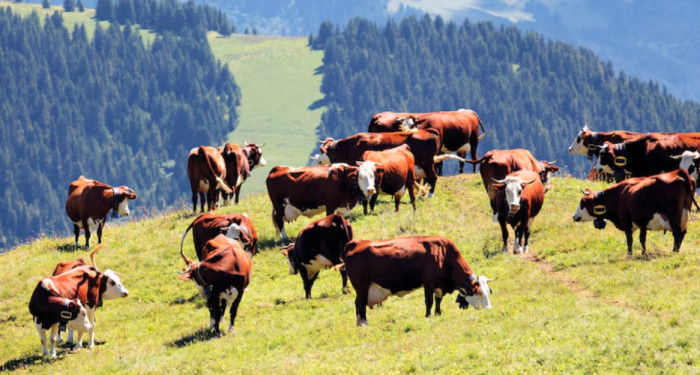
Cattle include dairy and beef breeds, plus animals kept for breeding or draft work. Adult females are cows, adult intact males are bulls, and young animals are calves. Heifers are females that have not yet had a calf.
Cattle are social herd animals that need substantial feed, water, fencing, handling facilities, and space. They are not simply larger versions of goats.
A real example of their social adaptability appeared when a Jersey cows behaving like oversized lap animals. It was unusual, but it also showed how strongly herd company can shape bovine behavior.
 magnific
Chickens
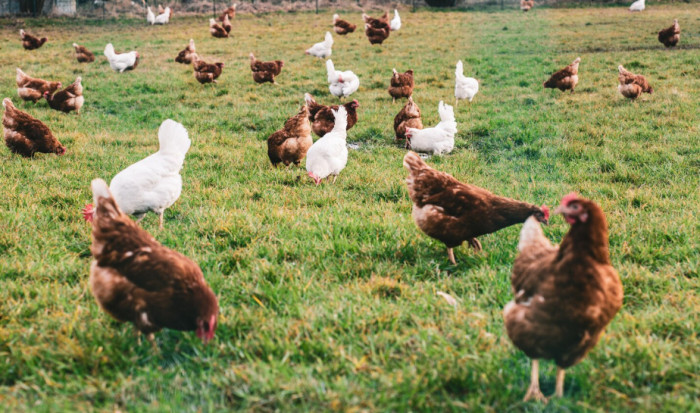
Chickens are kept for eggs, meat, breeding, exhibition, pest control, and companionship. A mature female is a hen, a mature male is a rooster or cock, and a young chicken is a chick.
They need a secure coop, ventilation, dry bedding, appropriate feed, clean water, and protection from predators. Breed choice affects mature size, egg color, laying rate, temperament, and climate tolerance.
 magnific
Pigs
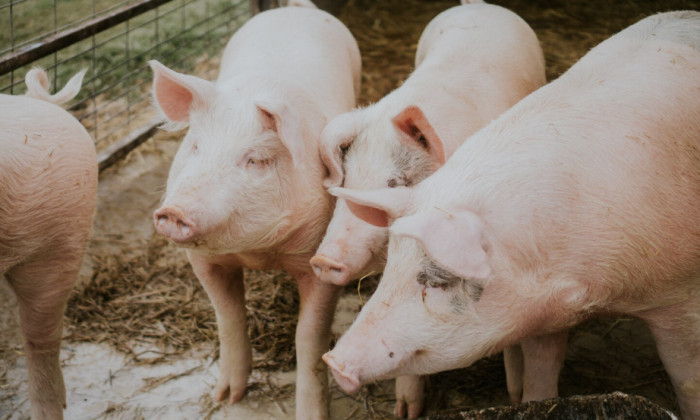
Domestic pigs are intelligent, powerful animals raised mainly for meat, breeding, and sometimes companionship. A female is a sow, a male is a boar, and a young pig is a piglet.
Pigs root, explore, and manipulate their surroundings. Weak fencing rarely stays weak for long. Some breeds also look unlike the smooth pink stereotype. The gallery of expressive domestic pigs, for example, has a thick curly coat.
The words pig, hog, and boar are often mixed together, so pig vs hog vs boar explains what each term means.
 magnific
Sheep
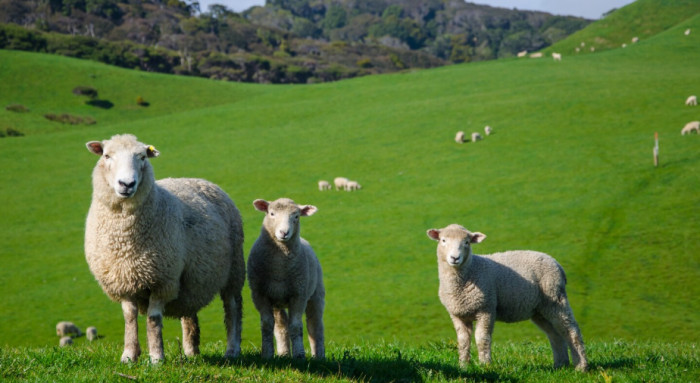
Sheep may be raised for meat, wool, milk, breeding, grazing management, or a combination of uses. An adult female is a ewe, an adult male is a ram, and a young sheep is a lamb.
Some sheep grow wool that requires regular shearing. Hair sheep shed naturally and are often chosen where wool has little value. Sheep generally graze close to the ground and prefer flock company.
 magnific
Goats
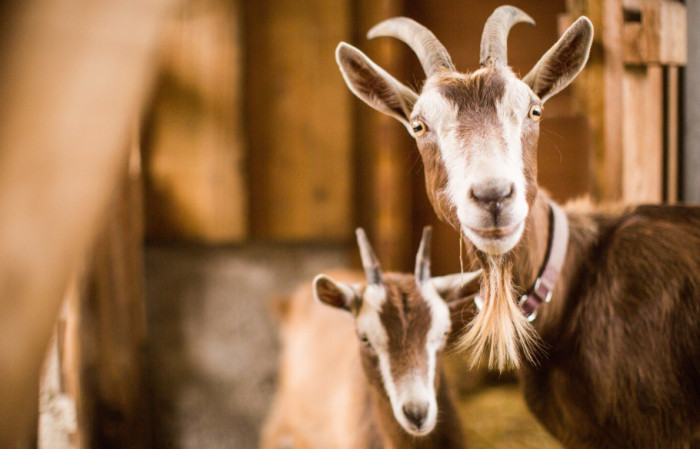
Goats are kept for milk, meat, fiber, breeding, brush control, and companionship. Adult females are does, adult males are bucks, and young goats are kids.
They browse more readily than sheep, often eating leaves, twigs, and shrubs. They also climb, lean, test latches, and investigate anything that looks slightly forbidden. The practical differences are covered in sheep vs goat.
 magnific
Ducks
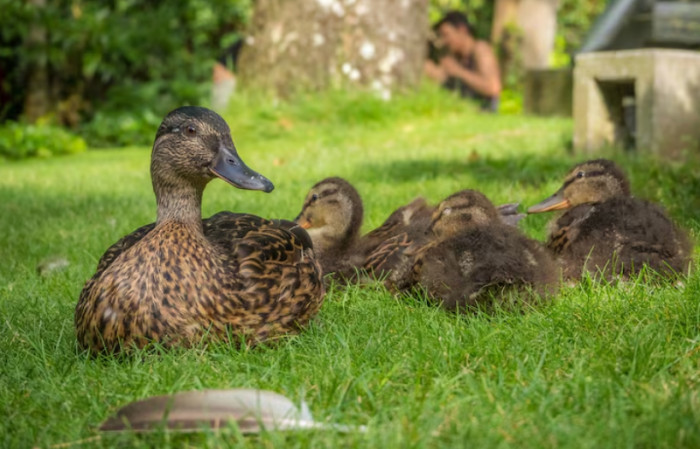
Domestic ducks provide eggs, meat, breeding stock, pest control, and entertainment that was not in the original business plan. Females are commonly called ducks or hens, males are drakes, and young ducks are ducklings.
Ducks need water deep enough to clean their nostrils and eyes, but they do not always need a swimming pond. Their wet habits make bedding and drainage important. The eggs are compared directly in duck eggs vs chicken eggs.
 magnific
Geese
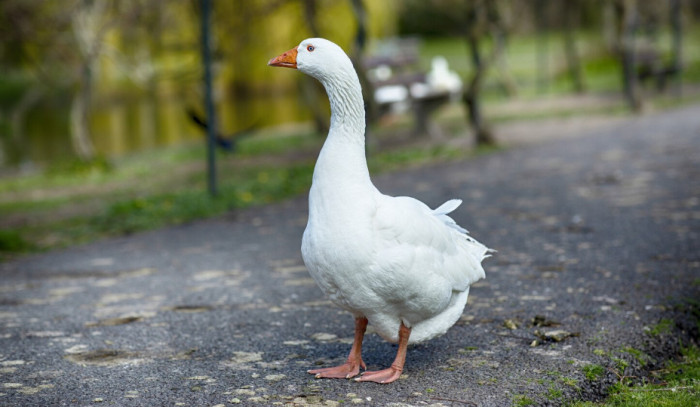
Geese are raised for meat, eggs, breeding, feathers, grazing, and property alerting. A male is a gander, a female is a goose, and a young bird is a gosling.
They are strong, social, vocal, and territorial during breeding season. A goose is not a quiet lawn mower with wings.
 magnific
Turkeys
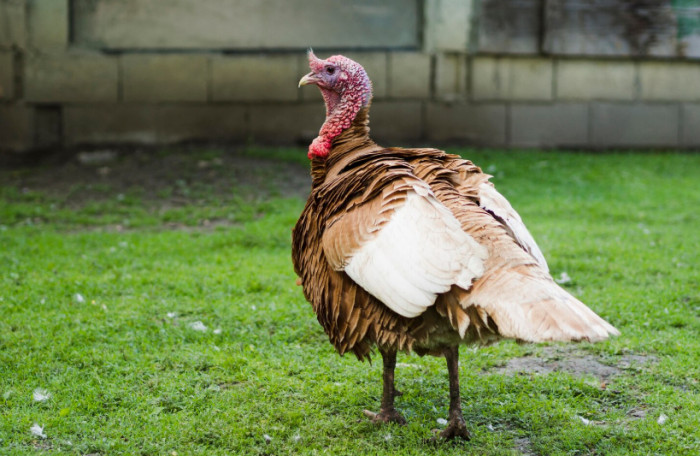
Turkeys are kept mainly for meat, breeding, exhibition, and heritage conservation. Adult males are toms or gobblers, females are hens, and young birds are poults.
Heritage turkeys can reproduce naturally and retain more active behavior than broad-breasted commercial strains. They need dry shelter, secure fencing, and careful early brooding.
 magnific
And if you’re curious about herd intelligence, the smart, social pigs that communicate constantly and remember routines are a great comparison.
Rabbits
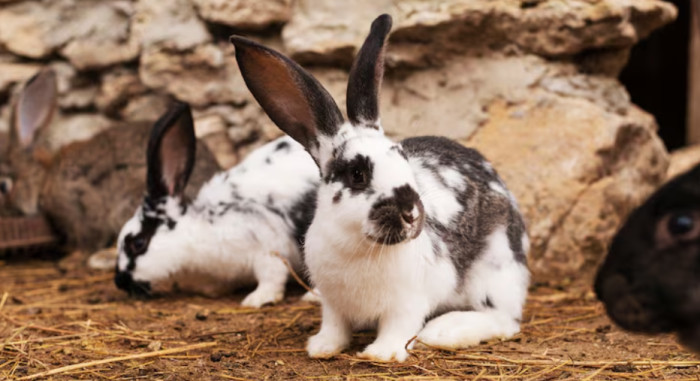
Farm rabbits may be raised for meat, fiber, breeding, show, manure, or companionship. An adult female is a doe, an adult male is a buck, and a young rabbit is a kit.
Rabbits handle heat poorly and need shade, airflow, clean housing, constant access to water, and protection from predators. Angora breeds require regular coat care.
 magnific
Horses
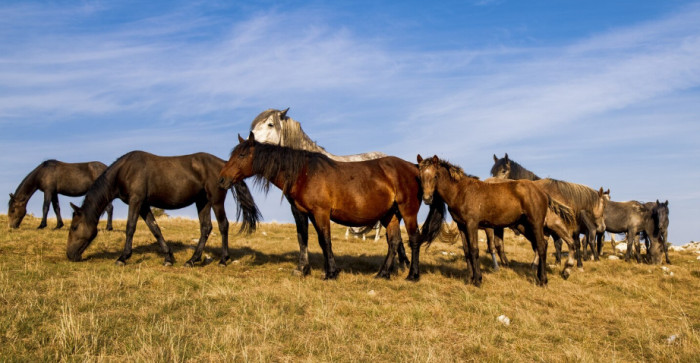
Horses work in transport, ranching, agriculture, sport, recreation, therapy, and breeding. Adult females are mares, adult males are stallions, castrated males are geldings, and young horses are foals.
The bond between people and horses can start early. A three-day-old pony chasing his owner is charming, but young equines still need boundaries and calm handling.
 magnific
Donkeys and Mules
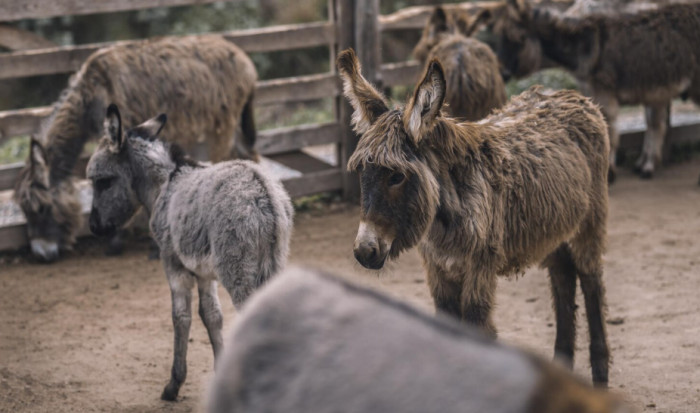
Donkeys are a separate equine species with long ears, compact hooves, and behavior shaped by arid environments. A male donkey is a jack, a female is a jenny or jennet, and a young donkey is a foal.
A mule is usually the offspring of a male donkey and a female horse. It combines traits from both parents and is usually sterile. See horse vs donkey vs mule for the full comparison.
 magnific
Alpacas and Llamas
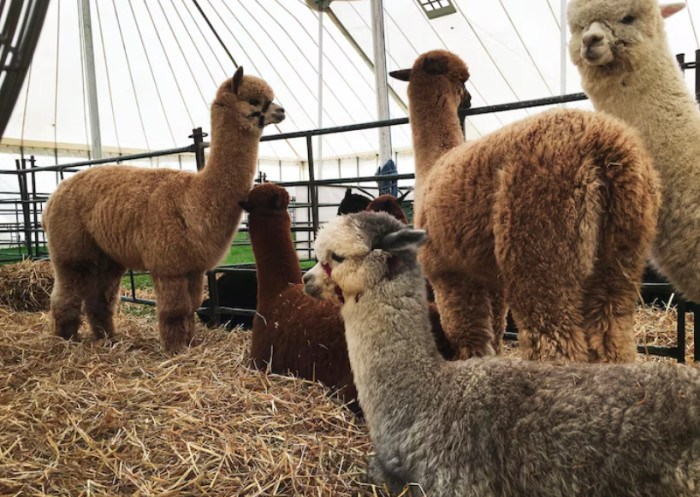
Alpacas and llamas are South American camelids. Alpacas are smaller and primarily associated with fine fiber. Llamas are larger and have traditionally been used for packing and guarding as well as fiber.
A llamas appearing at a wedding shows the species' strong social side. Neither alpacas nor llamas should be kept alone. Their physical differences are covered in llama vs alpaca.
 magnific
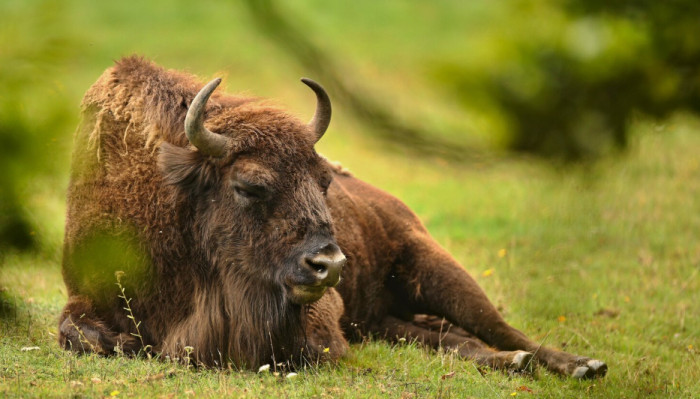
Water Buffalo and Bison
Water buffalo are domesticated bovines used for milk, meat, and work, especially in Asia and parts of Europe and the Americas. Bison are a different group, native to North America and Europe, and may be farmed under specialized systems.
The word buffalo creates confusion in North America because American bison are often called buffalo. Our cow vs buffalo guide separates domestic cattle, water buffalo, and bison.
 magnific
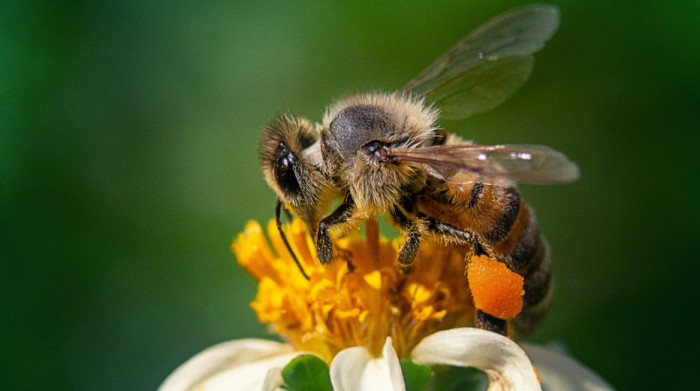
Bees
Honey bees are managed for honey, wax, pollination, queen production, and colony sales. They are livestock in a practical agricultural sense even though they do not resemble barn animals.
Beekeeping requires protective equipment, swarm management, disease monitoring, food resources, and awareness of nearby people and animals.
 magnific
That Jersey cow acting like a lap animal is what makes everything else feel personal, like the barn has its own cast of characters.
Then the chickens show up with their hen, rooster, and chick system, and suddenly you’re thinking about coops, ventilation, and predators like they’re plot points.
Next comes the pigs, where rooting behavior and “weak fencing rarely stays weak” makes the whole setup feel like it could go sideways fast.
And when sheep and goats roll in with their ewe, ram, lamb, doe, and breeding labels, it clicks that this farm list is basically a schedule of needs and habits.
Less Common Farm Animals
Some farms also keep:
- Yaks
- Reindeer and deer
- Camels
- Ostriches and emus
- Guinea fowl
- Quail
- Pigeons
- Peafowl
- Guinea pigs
- Snails
- Farmed fish
The USDA animal resources cover conventional and alternative animal production, while the Livestock Conservancy terminology guide provides correct names for many livestock species and age groups.
These animals belong in a unique farm animals discussion only when they are genuinely managed as livestock or working animals. A wild species appearing beside a barn does not become a farm animal by location alone.
How to Use This Farm Animals List
Start with the role you need filled, then compare species by mature size, climate, social needs, fencing, feed, manure, noise, veterinary access, and local law. A list can show the options. It cannot decide which animal fits a particular property.
For a functional overview of the categories, see types of farm animals. For limited acreage, compare backyard farm animals before buying anything with hooves, wings, or an impressive ability to escape.
The animals don’t just have names, they have ways of turning a simple “farm facts” day into a full storyline.
Want more than “cows and calves,” see how dairy cattle, beef breeds, and working donkeys each get raised.

Damjan