Massive Darth Vader Sea Bug Discovered In The South China Sea Surprises Scientists
12.8 inches long and weighing more than 2.2 pounds.
Last October, a researcher in Vietnam snapped a photo of a giant sea bug that looks like it crawled straight out of a sci-fi nightmare. It was Bathynomus jamesi, a 2.62-kilogram isopod, and the picture quickly became the kind of “wait, that’s real?” moment scientists love and markets definitely don’t.
Then, in January 2025, the story got weirder. Bathynomus vaderi, the so-called “Darth Vader sea bug,” was identified from the South China Sea, mostly near the Spratly Islands so far. But researchers also suspect it could be hiding elsewhere in the deep, while demand in Vietnam’s seafood markets is turning these creatures into a pricey, lobster-like delicacy.
Now the ocean has a new character, and the real plot twist is what happens when a deep-sea mystery becomes a dinner option.
In October 2024, Dr. Nguyen Thanh Son was photographed holding a massive specimen of another giant isopod species, Bathynomus jamesi, which weighed 2.62 kilograms and was sourced from a seafood market in Hanoi.
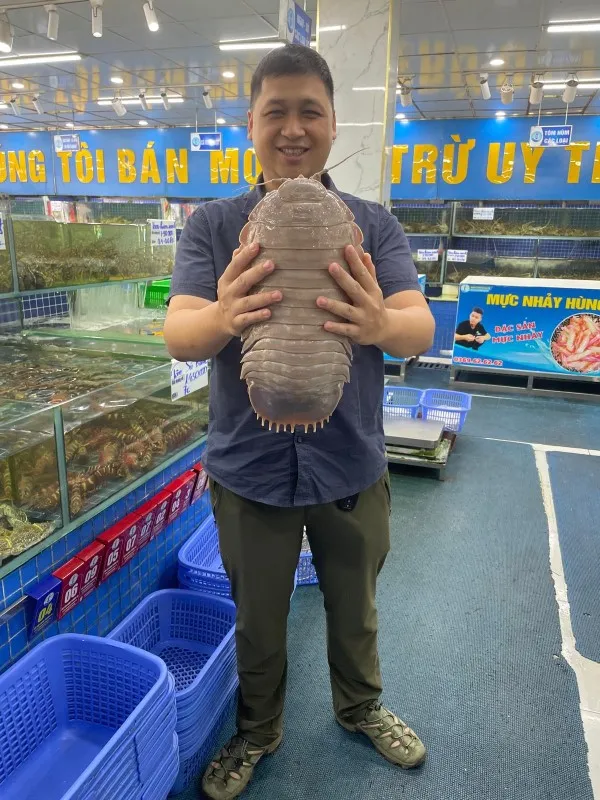 Peter Ng
So far, B. vaderi has only been identified near the Spratly Islands, a cluster of reefs and islets in the South China Sea. However, researchers believe it may inhabit other areas of the region’s deep waters as well. The findings were published on Jan. 15 in the journal ZooKeys, shedding light on the ongoing discoveries in one of the world’s most biodiverse marine ecosystems.
That October photo of Dr. Nguyen Thanh Son holding a 2.62-kilogram Bathynomus jamesi set the stage for the next surprise, because it hinted at just how much is still living out of sight.
The discovery of the Darth Vader sea bug in the South China Sea serves as a striking reminder of the ocean's vast mysteries yet to be unveiled. With over 80% of our oceans remaining unexplored, this giant isopod not only fascinates with its sci-fi appearance but also underscores the urgent need for dedicated marine research and conservation efforts.
This new species could provide invaluable insights into the ecological health of our oceans and potential benefits for humanity. Each new discovery highlights the importance of funding marine research initiatives aimed at uncovering the rich tapestry of life beneath the waves. Citizen science can significantly contribute to this endeavor, empowering individuals to take part in the exploration and protection of our vital ocean ecosystems.
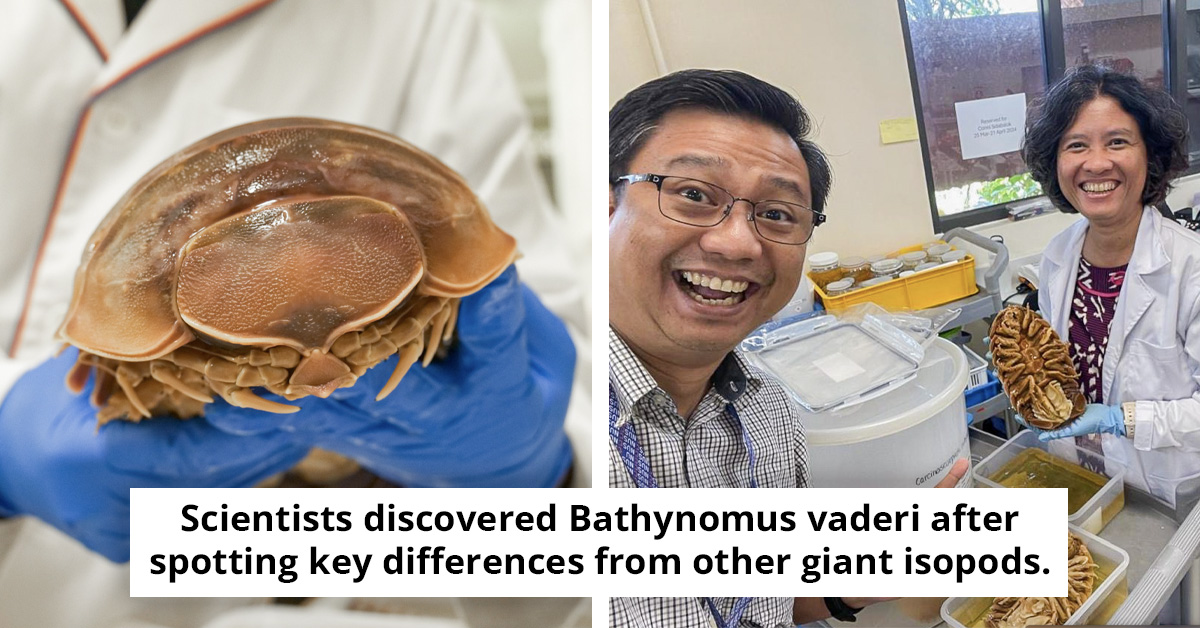
Bathynomus vaderi was discovered after scientists noticed differences between it and other giant isopod species.
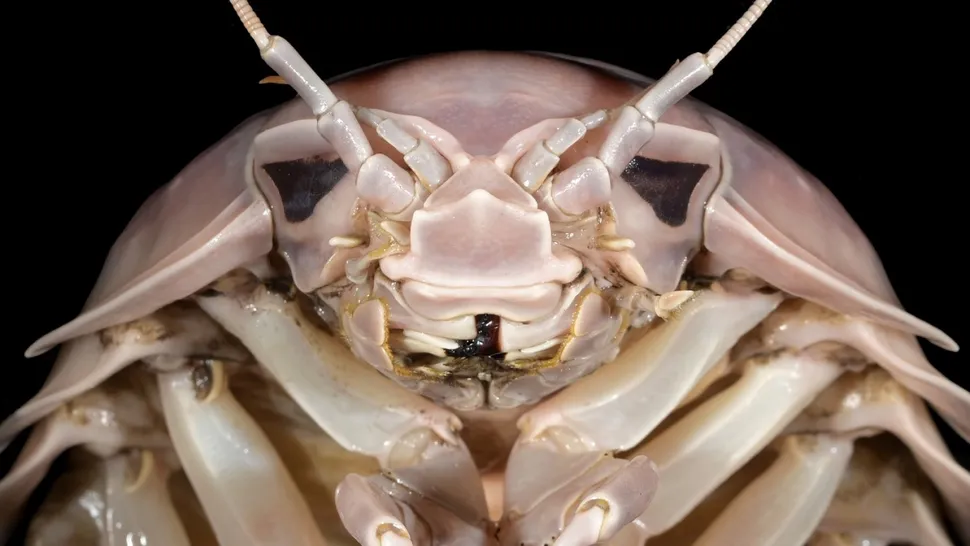 Nguyen Thanh Son
The discovery of B. vaderi is both thrilling and cautionary.
After the Jan. 15 ZooKeys paper, the “Darth Vader” label stopped being a meme and became a clue, since B. vaderi was only confirmed near the Spratly Islands at first.
It’s the same kind of shock as the new 20-armed sea creature that stunned scientists.
Bathynomus species are not just of scientific interest — they are also becoming increasingly popular in Vietnam’s seafood markets. Researchers noted that these giant isopods “have recently become a delicacy in Vietnam, often compared to lobster.”
Their growing popularity has turned them into an expensive commodity, but it has also sparked concern. The demand could put pressure on deep-sea populations that are already difficult to study and potentially vulnerable to overfishing.
Then the momentum shifted from deep-sea discovery to local reality, because Bathynomus species are now showing up in Vietnam’s seafood markets, often compared to lobster.
Interestingly, B. vaderi is not the largest member of its family. That record belongs to Bathynomus jamesi, another giant isopod discovered in Vietnam that can grow up to 20 inches (50 cm) and weigh nearly 6 pounds (2.6 kg).
The discovery of B. vaderi is both thrilling and cautionary. On one hand, it highlights the rich biodiversity hidden in the ocean’s depths and the power of local fishing communities to contribute to scientific discovery.
On the other hand, it raises urgent questions about sustainability. As deep-sea species like these move from scientific curiosity to seafood delicacy, researchers warn that careful regulation will be necessary to ensure these unique creatures do not vanish as quickly as they were found.
The discovery of a giant isopod resembling Darth Vader in the South China Sea is not just a spectacle; it opens a window into the ecological dynamics of marine life. The revelation of this unique species highlights the importance of understanding the roles such creatures play within their ecosystems and their interactions with other marine organisms.
To truly harness the excitement surrounding this find, there is an opportunity to engage the public through educational initiatives. Programs in schools and community events that focus on marine biodiversity can spark interest and curiosity about the ocean's inhabitants.
By fostering interactions between children and marine experts, these initiatives can cultivate a deeper appreciation for ocean life, potentially inspiring the next generation of marine scientists. The allure of discovering strange new creatures like the Darth Vader sea bug can serve as a powerful tool in marine education and conservation efforts.
The discovery of the Darth Vader sea bug in the South China Sea highlights the astonishing mysteries that still lie beneath the ocean's surface. This giant isopod, with its striking resemblance to a character from popular culture, serves as a vivid reminder of the diverse life forms that remain largely unknown to us. Each new species uncovered can provide vital information about marine ecosystems and their overall health, emphasizing the importance of continued exploration.
Engaging the public through educational initiatives around such discoveries can cultivate a deeper appreciation for marine biodiversity. Collaborative efforts between scientists and local communities are essential; they not only enhance our understanding of these fascinating creatures but also bolster conservation initiatives that are critical for the sustainability of our oceans. The commitment to protecting these extraordinary ecosystems will shape the future of marine exploration and conservation efforts.
The South China Sea just unveiled a new “Darth Vader” sea bug, and Vietnam’s dinner plates might be the fastest way to test how fragile that discovery really is.
For another mind-blowing deep-sea moment, watch the colossal squid recorded after 100 years.

Damjan