Hundreds of Dogs Rescued in Kentucky May Finally Get the Care They Deserve
More than 240 dogs were saved from a suspected breeding operation in Kentucky and are now receiving medical care and a chance at adoption.
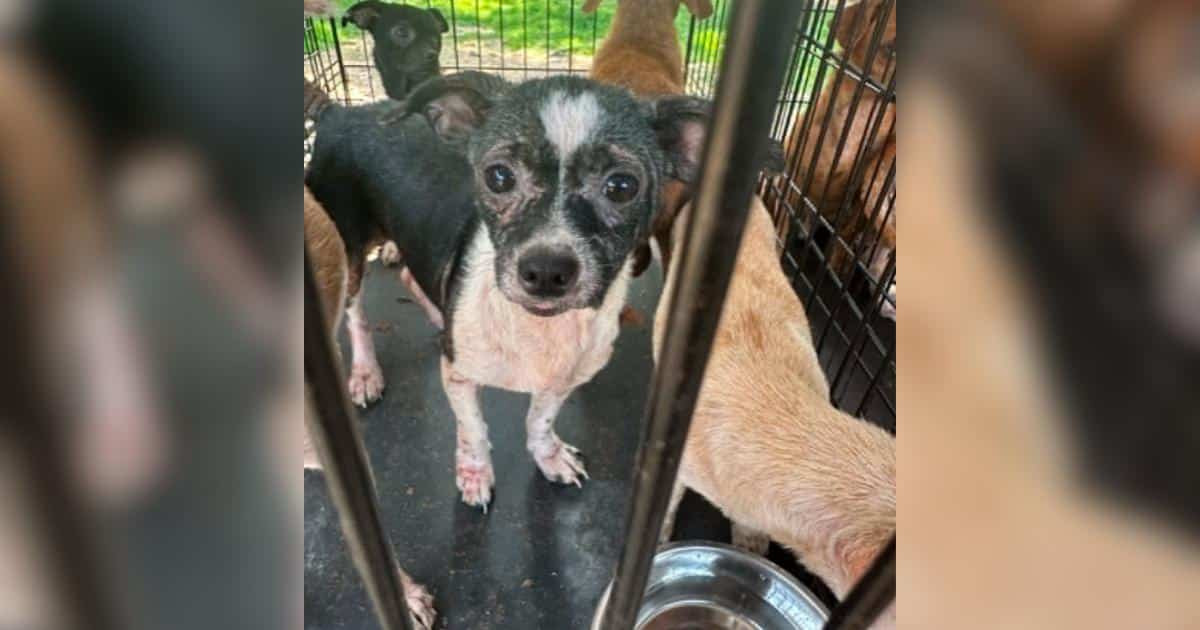
More than 240 dogs. Rural Kentucky. A property so overgrown it slowed everything down. This rescue did not start with a dramatic siren and a heroic sweep, it started with a tip, then a careful look, then the kind of grim discovery that makes you wonder how this ever got that bad.
In Metcalfe County, animal shelter director Donna Lafever investigated after reports of overcrowding and neglect, and what rescuers found sounded like a backyard breeding setup gone off the rails. Dogs were scattered across the yard in makeshift enclosures, some barely able to move, others sick, injured, or stacked into cramped conditions, including a puppy with a broken leg and a Rottweiler reportedly unable to walk.
And once the first wave of surrenders began, the real challenge became coordination, counting, and getting every single dog out safely before the situation got worse.
A large rescue unfolds in rural Kentucky
More than 240 dogs were removed over several days from a secluded property in Metcalfe County, Kentucky, after rescuers and local officials received reports of overcrowding and neglect. Animal welfare workers described the scene as a suspected large-scale backyard breeding operation, with dogs scattered across an overgrown property and many living in makeshift or cramped enclosures.
The rescue effort began after a tip led Metcalfe County animal shelter director Donna Lafever to investigate the property.
Why the rescue took time and teamwork
Cases involving dozens or hundreds of animals are rarely solved in a single visit. In this case, rescuers first worked with the owners to surrender a small number of dogs so the animals could begin receiving treatment right away. When cooperation stalled and more dogs were believed to remain on the property, additional help was needed.
That is when Guardians of Rescue stepped in and took over the larger operation. In rescues this large, coordination matters just as much as compassion. Every dog has to be counted, documented, examined, and transported in a way that keeps both animals and handlers safe.
Why the rescue took time and teamwork
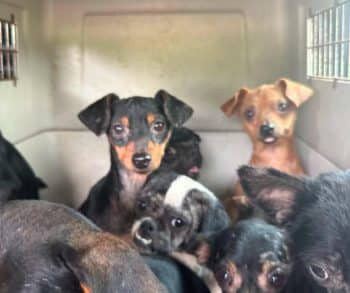
Donna Lafever’s investigation kicked off after that tip, but the property’s messy layout and overcrowding meant rescuers had to do more than show up and start grabbing dogs.
What rescuers found on the property
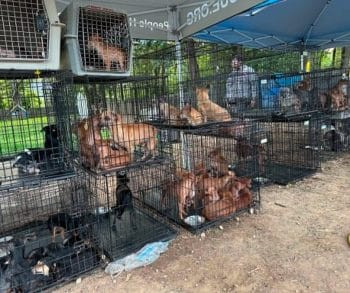
The conditions described by rescuers were grim. The property was difficult to access, surrounded by heavy weeds, and filled with cages in different areas. Many of the dogs appeared to be living with little room to move and little protection from the elements.
Nearly all of the animals showed signs of illness or neglect. Rescuers reported upper respiratory infections, mange, eye problems, open wounds, and other medical issues that needed immediate attention. Some dogs were in especially fragile condition, including a puppy with a broken leg, a dog with a serious abdominal injury, and a senior dog struggling to breathe normally. One Rottweiler was reportedly unable to walk properly after extended confinement in a crate that was too small for its size.
First, they convinced the owners to surrender a small number so treatment could start right away, then things stalled and the bigger rescue plan had to kick in.
This reminds us of the Florida Walgreens employee who adopted the kitten freed from a propane locker.
See the propane locker rescueThe first days of recovery
Every dog removed from the property is being identified, examined, vaccinated, and treated for illness before being placed with rescue partners. Many will need weeks or even months of care before they are ready for adoption. For frightened dogs that have never known gentle handling, recovery is not only physical. It also means learning that people can be safe and kind.
That kind of healing often happens in small steps. A calm voice, a soft bed, regular meals, and patient handling can make a huge difference for dogs who have spent most of their lives in distress. Rescuers say some of the dogs were visibly fearful at first, but each careful interaction helps build the trust they will need in foster homes and, eventually, permanent families.
The first days of recovery
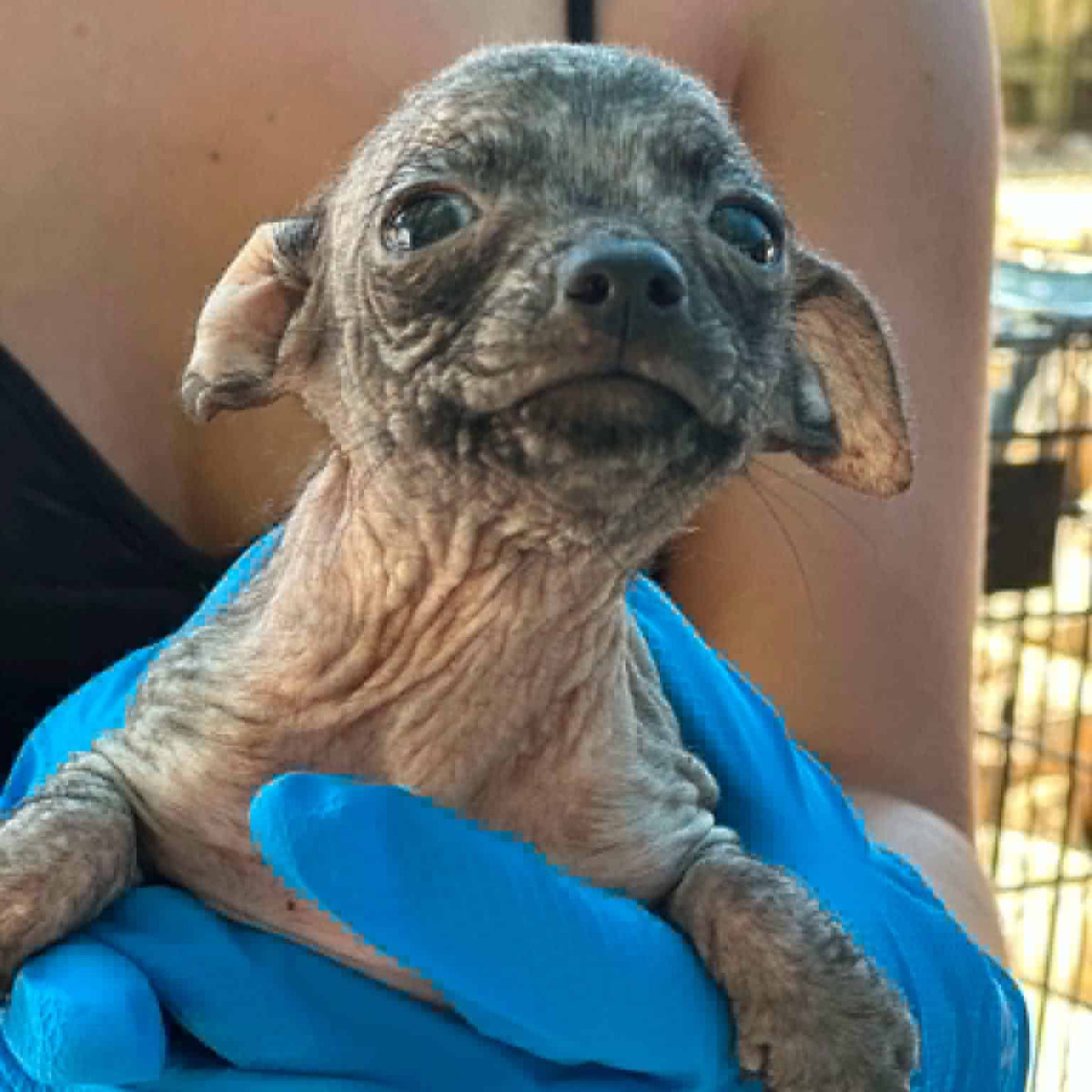
That’s when Guardians of Rescue stepped in, taking over the heavy lifting of counting, documenting, examining, and transporting hundreds of animals from cages scattered across the weeds.
How rescues like this move toward adoption
Once dogs are stable, they are transferred to partner rescues that can provide foster care and longer-term rehabilitation. This gives each dog a better chance to decompress, learn basic routines, and receive any follow-up treatment before adoption.
Some animals will be ready quickly, while others may need much more time. A pregnant senior Chihuahua-pug mix, for example, will require specialized attention in the months ahead. These cases are a reminder that rescue is only the first step. The real work continues long after the headlines fade, as foster families and veterinarians help dogs rebuild both health and confidence.
What this rescue also means for the investigation
Officials say the dogs were voluntarily surrendered after the property owners were told authorities would seek a warrant if needed. That allowed the animals to enter care more quickly instead of waiting through a longer legal process.
At the same time, the case is still under investigation, and no criminal charges had been filed at the time of reporting. Rescue leaders say the evidence will be reviewed by prosecutors once the investigation is complete. In large cruelty cases, the legal side can take time, but the priority in the early stage is always the welfare of the animals.
What this rescue also means for the investigation
How readers can help dogs coming out of rescue situations
Stories like this often inspire people to ask how they can help. The most direct options are donating to reputable rescues, fostering if your home and schedule allow, or adopting when you are ready for a dog with a healing history.
If you cannot bring a dog home, you can still help by sharing adoptable pets, supporting local shelters with supplies, or volunteering time. And for anyone considering reporting suspected neglect, document what you can safely observe and contact local animal control, a humane society, or law enforcement. Early tips can make a lifesaving difference.
Now the dogs just need one thing, consistent care after a rescue that took way longer than anyone wanted.
Talk about a happy ending, see how a rescued Los Angeles dog reunited with his dad after 15 months. Read more

Maryjane