How Britain’s Teddy Boys Turned Postwar Streets Into Style Statements
Teddy Boys used fashion and attitude to redefine youth culture in the 1950s.
In 1950s Britain, the Teddy Boys did not just dress up, they turned everyday streets into runways. Clapham Common, the Old Kent Road, even the stage doors at theatres, they made public space feel personal, loud, and full of attitude.
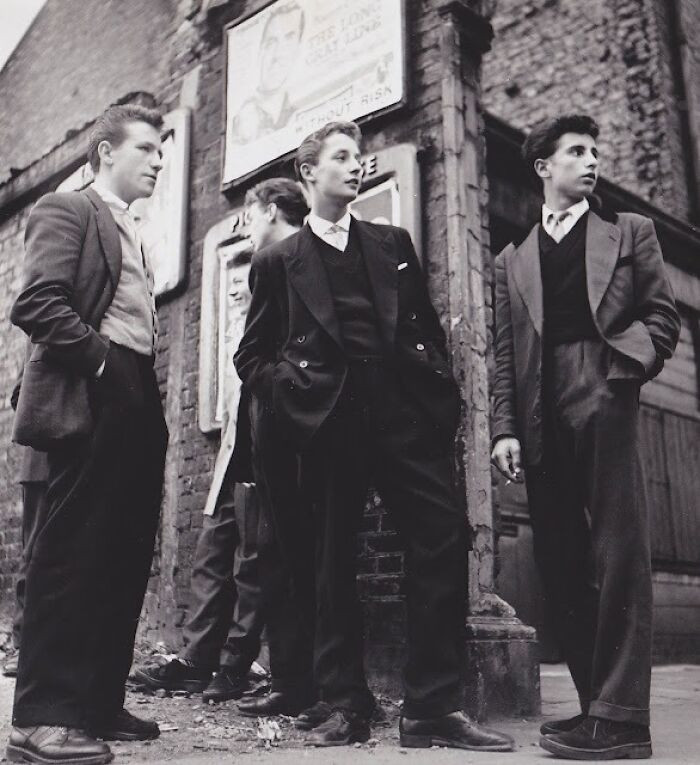
Postwar life was strict, wages were tight, and conformity was the default setting. So when Teddy Boys gathered outside a picture house on the Old Kent Road in 1955, or posed and admired the view at Clapham Common in 1954, their Edwardian-inspired looks were doing more than looking sharp. They were staking a claim, and that claim tangled with music, crowds, and the way people expected young people to behave.
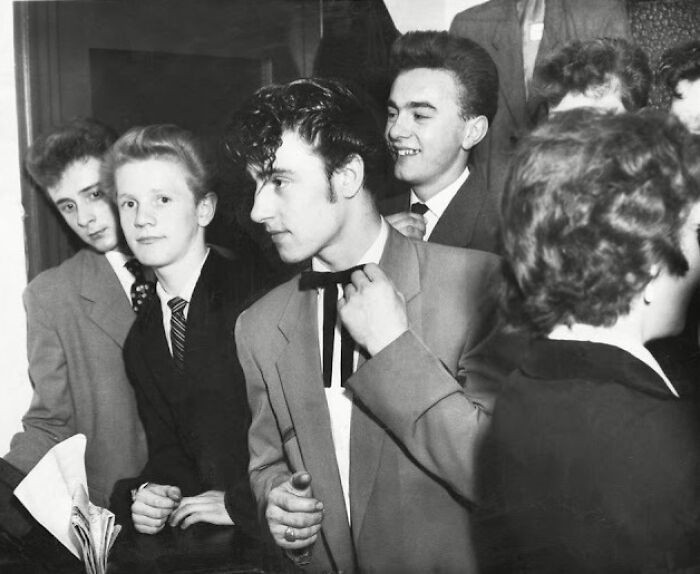
One glance at a “best dressed” competition in Nottingham in 1956, and you can see how style became the whole point.
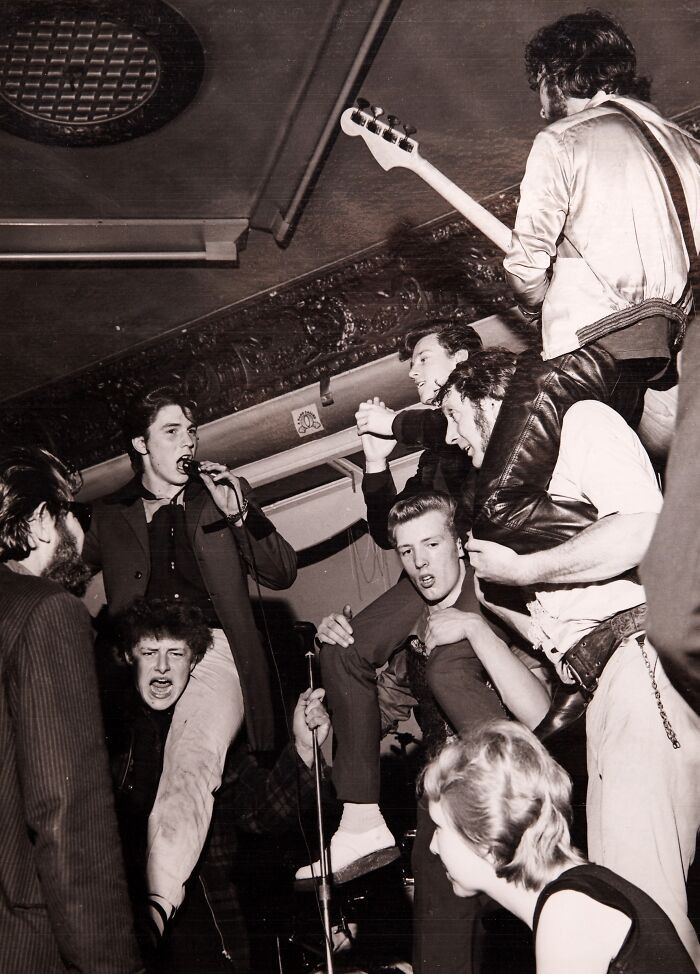
"Teddy Boys Playing Music At The Queens Hotel, 1977"
 Southend-on-Sea City Council
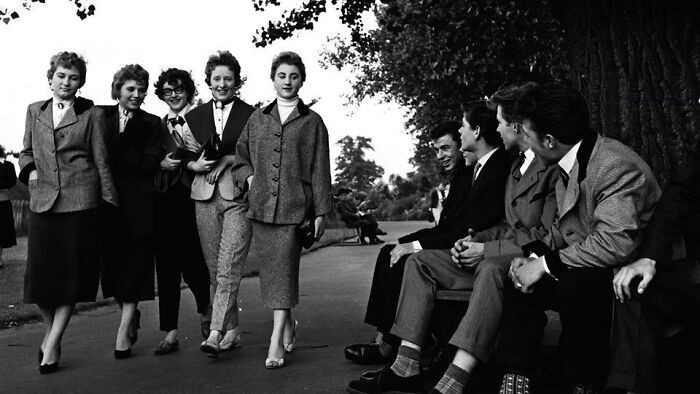
"Teddy Boys Admiring The View On Clapham Common In 1954"
 Ken Russell
"Teddy Boys Gather Outside A Picture House On The Old Kent Road, 1955"
 Ken Russell
The emergence of the Teddy Boys in the 1950s marked a pivotal moment in youth culture, transforming the streets of Britain into vibrant expressions of identity. Far more than mere fashion enthusiasts, these young individuals crafted a bold declaration of self amidst the constraints of post-war life.
Their distinctive style served as a powerful rebellion against the prevailing conformity of the time. This quest for individuality resonated deeply within the youth, igniting not only a fashion revolution but also influencing music and social norms. The Teddy Boys laid the groundwork for future youth movements, highlighting the profound impact that young people can have on culture and society.
Their ability to use fashion as a medium for self-expression altered perceptions of youth identity.
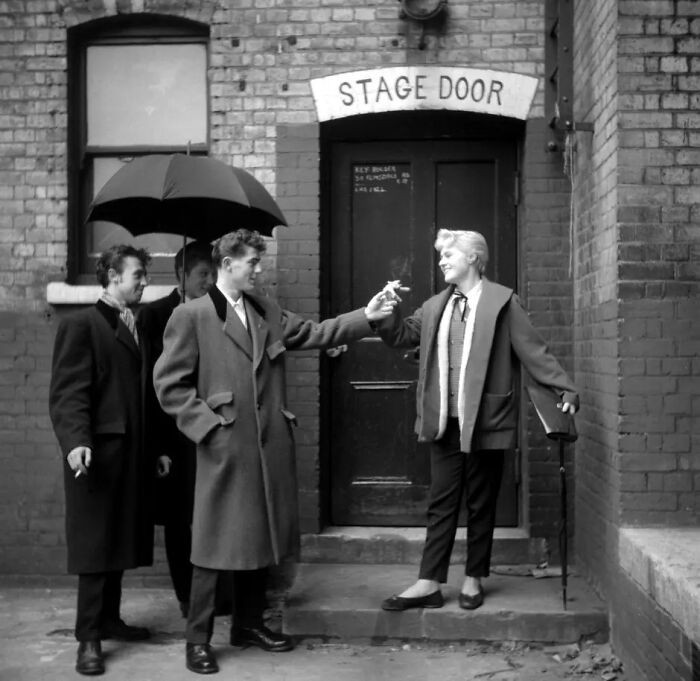
"Teddy Girl Josie Buchan Poses At The Stage Door Of The Walthamstow Palace Theatre, Which Was Pulled Down In 1960"
 Ken Russell
"A Best Dressed Teddy Boy Competition At Nottingham In 1956"
 Ken Russell
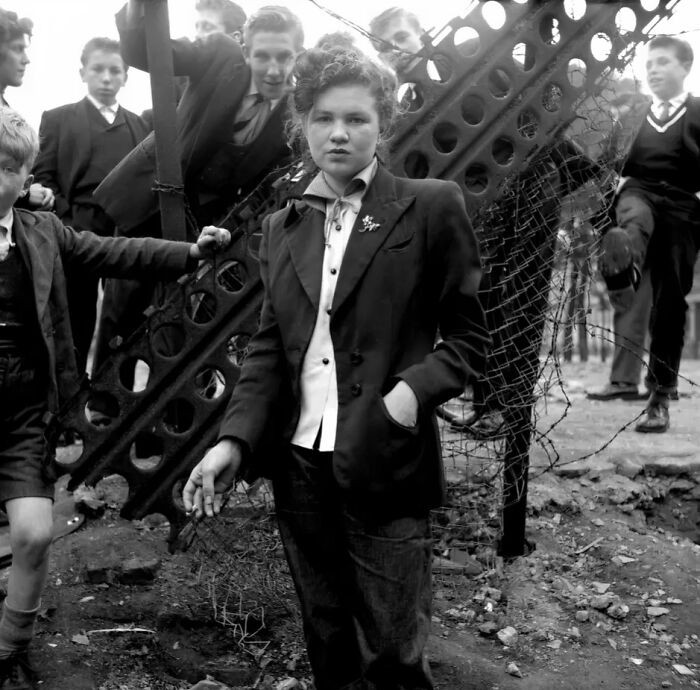
"14 Year Old 'Teddy Girl' Jean Rayner, 1955"
 Ken Russell
That’s when the Queens Hotel music scene, with Teddy Boys playing in 1977, feels like the same story, just later in the timeline.
Fashion experts argue that the Teddy Boys' style was revolutionary, merging Edwardian influences with contemporary youth culture. They utilized clothing as a form of self-expression, reflecting their socio-economic conditions and aspirations.
This approach to fashion can still inform today's youth. By understanding how historical movements shape identity, contemporary youth can be encouraged to explore their own styles, promoting individuality and self-confidence.
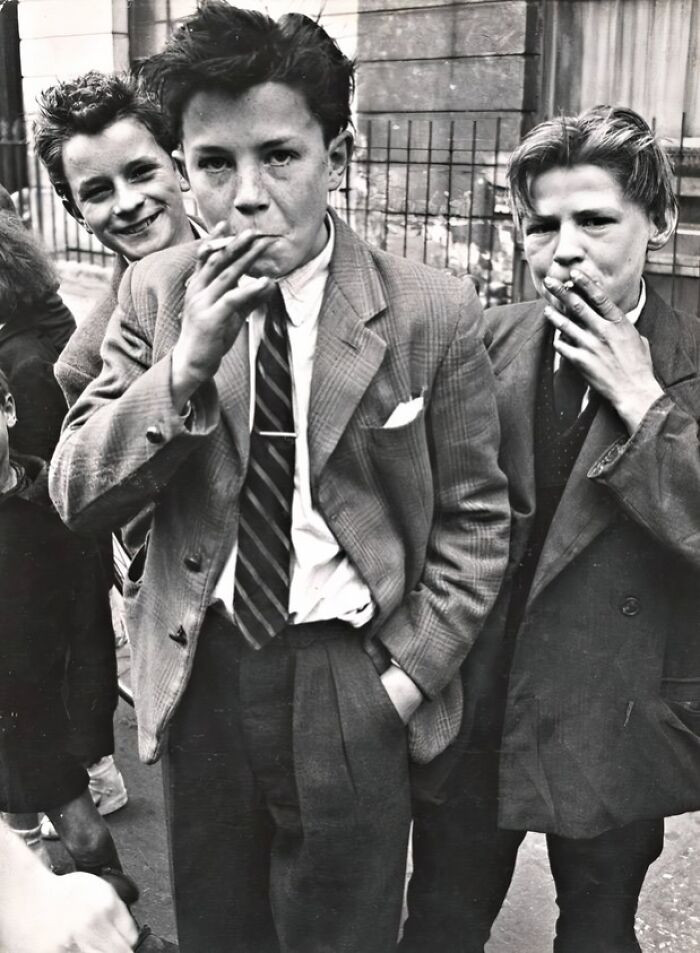
"1956: Young "Teddy Boys" Somewhere In England"
 morganmonroe81
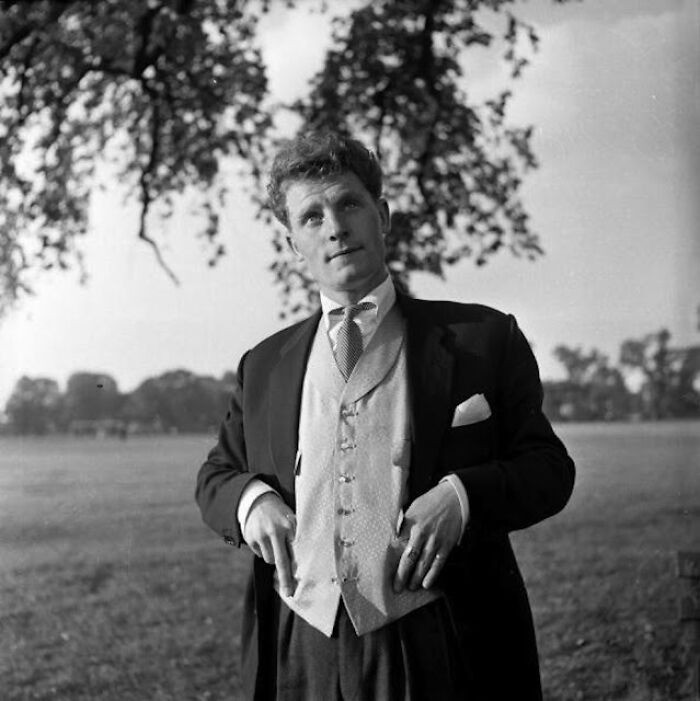
"Colin Donellan Dressed In Fashionable Edwardian Teddy Boy Style On Clapham Common, 10th October 1953"
 Ken Russell
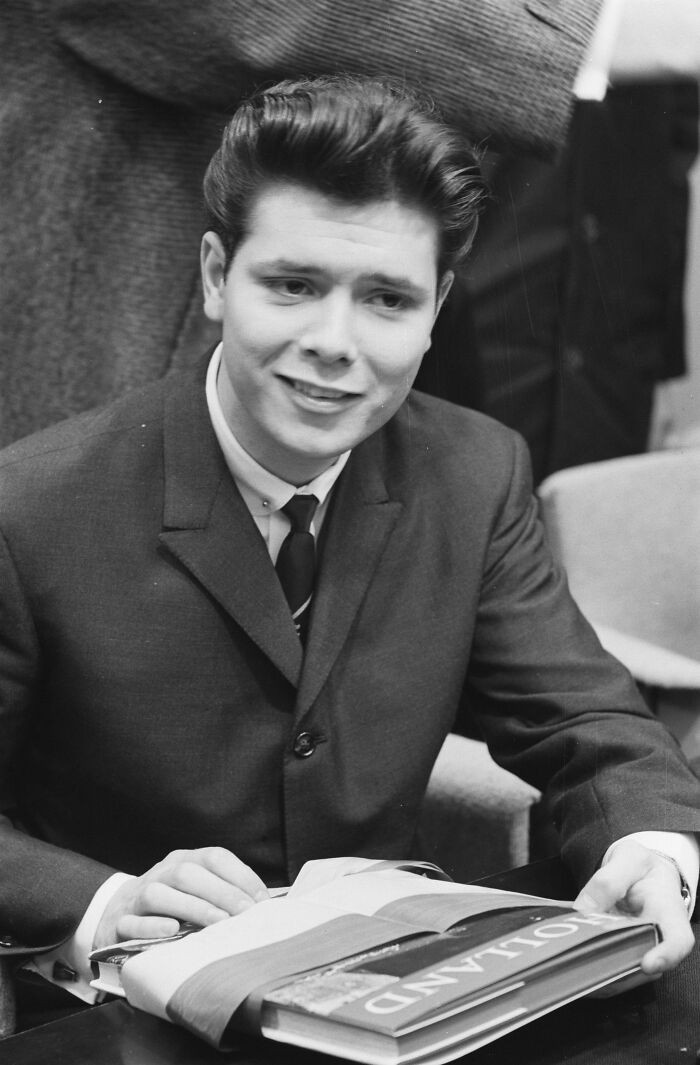
"Cliff Richard, Classic Teddy Boys Look, 1962"
 Harry Pot
Meanwhile, a Teddy Girl like Josie Buchan at the Walthamstow Palace Theatre stage door in 1960 raises the stakes, because the performance is happening on the way in and out, not just on stage.
The Teddy Boys of the 1950s exemplified how youth culture can serve as a powerful vehicle for identity formation. In a postwar Britain that felt stifling and monotonous, these young men embraced flamboyant fashion as a means of self-assertion and belonging. Their distinctive style, characterized by drape jackets, high-collared shirts, and slicked-back hair, was not merely about aesthetics; it was a bold statement against the prevailing norms of the time.
This historical phenomenon reflects a timeless truth: young people often turn to fashion as a way to carve out their identities, especially when societal expectations weigh heavily on them. The Teddy Boys transformed streets into runways, showcasing their individuality in a world that seemed intent on conformity. Today, as adolescents navigate their own complex social landscapes, the importance of allowing them to express themselves through style remains crucial for their emotional well-being and self-esteem.
For more “wait, what happened?” history moments, check out Fascinating Historical Snapshots That Bring the Past to Life.
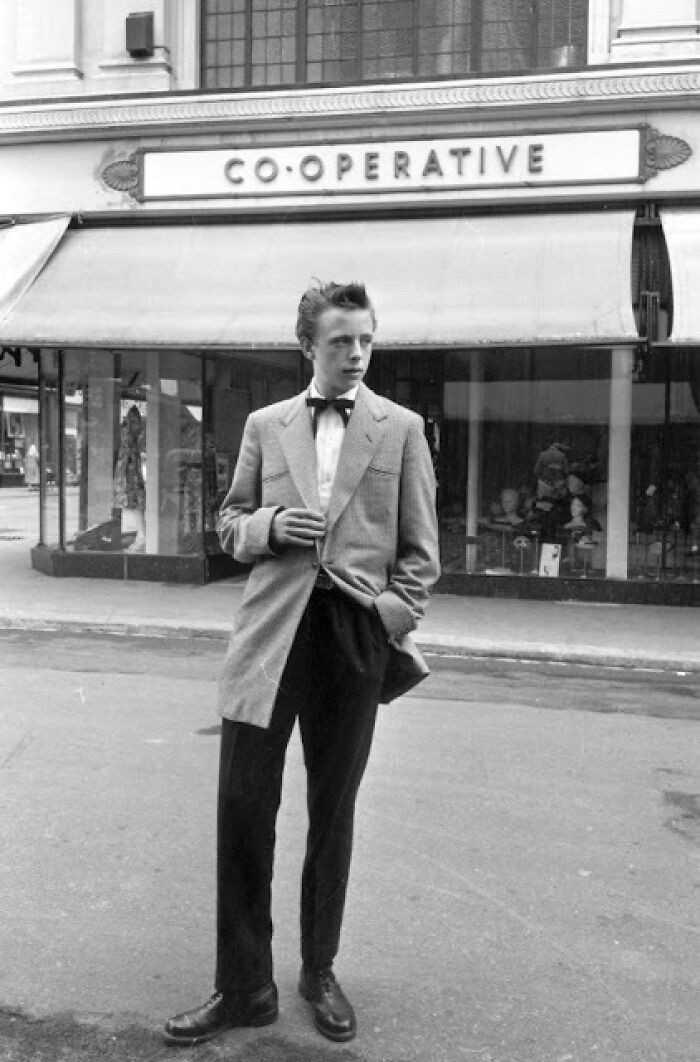
"Frank Harvey Pictured Outside The Co-Op In Tottenham, North London, Picture Post, 29th May 1954"
 Ken Russell
"Teddy Boys At Greenwich, London, In 1956"
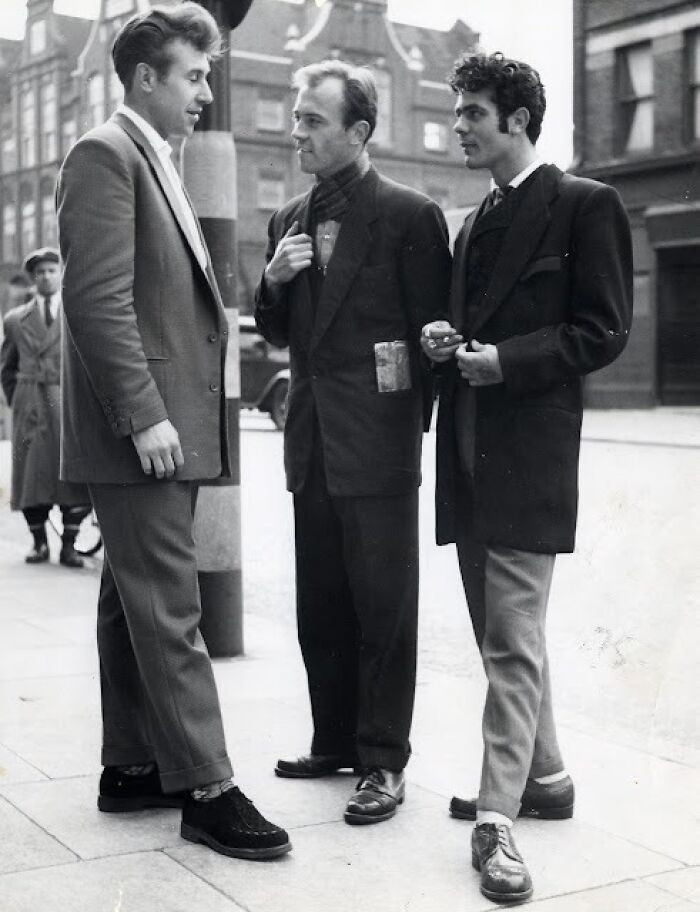 Ken Russell
"Teddy Boys Walking On A Busy Street In 1977"
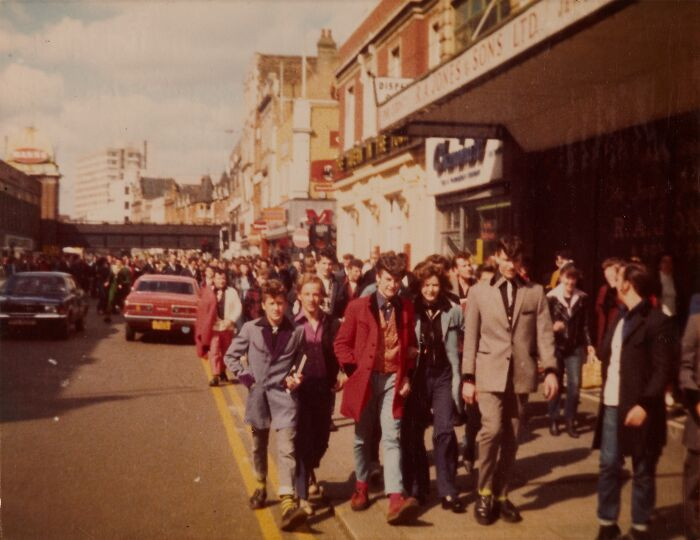 Southend-on-Sea City Council
Social historians highlight that Teddy Boys played an essential role in breaking down societal barriers. Their fashion choices were often met with resistance, yet they persisted, illustrating the power of youth culture to challenge norms.
To promote similar movements today, educators and community leaders can encourage young people to engage in dialogues about identity and representation. Workshops focused on creative expression through fashion and art can help cultivate a supportive environment for self-exploration.
"Teddy Boys At The Mecca Royal Dance Hall, Tottenham, Middlesex (North London) Pictured In The Picture Post On 29th May 1954"
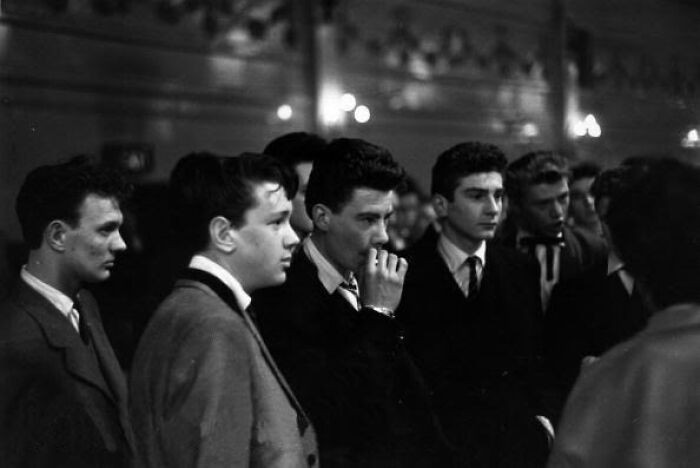 Ken Russell
"Portsmouth Teddy Boys, Ca. 1955-56"
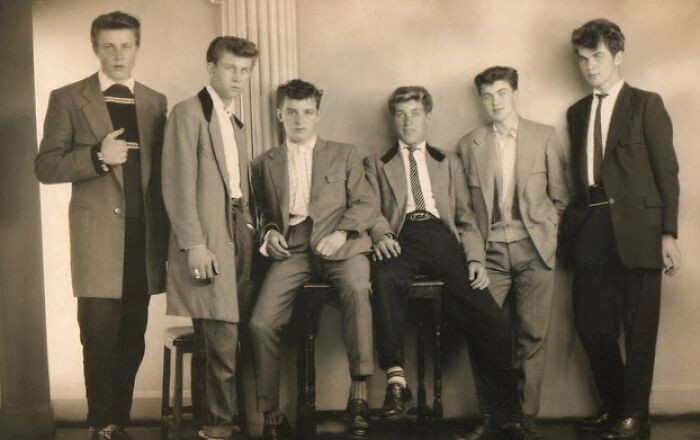 Ken Russell
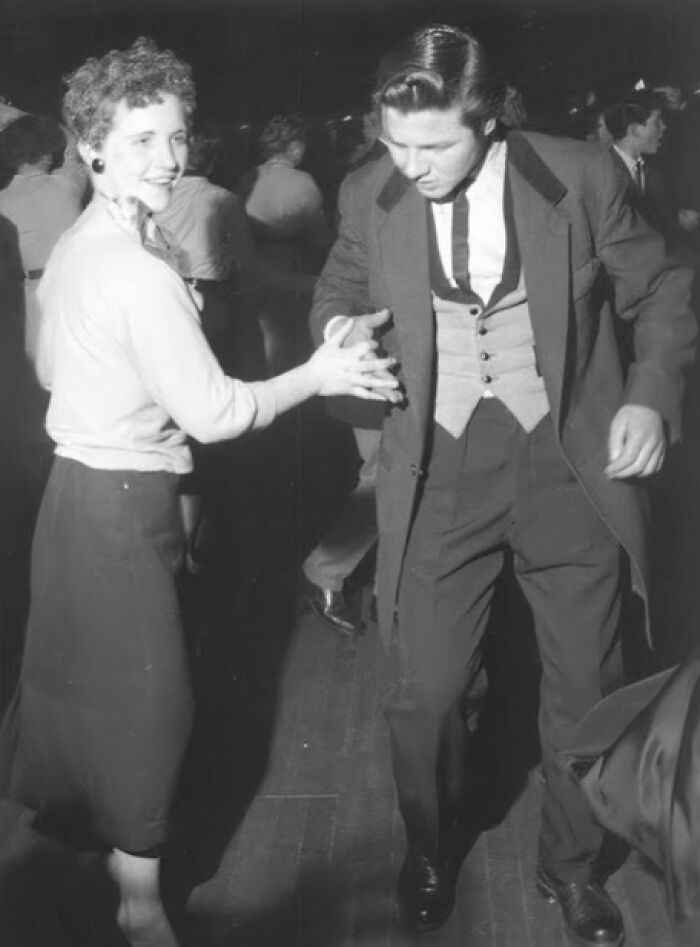
"Teddy Boy And Teddy Girl"
 Ken Russell
Then you’ve got the “best dressed” Teddy Boy competition in Nottingham in 1956, where everyone shows up ready to be judged, and nobody is dressing quietly.
Legacy of the Teddy Boys
This legacy highlights the importance of understanding historical contexts in fashion. By studying these influences, young people can appreciate the evolution of style and the messages it conveys about identity and belonging.
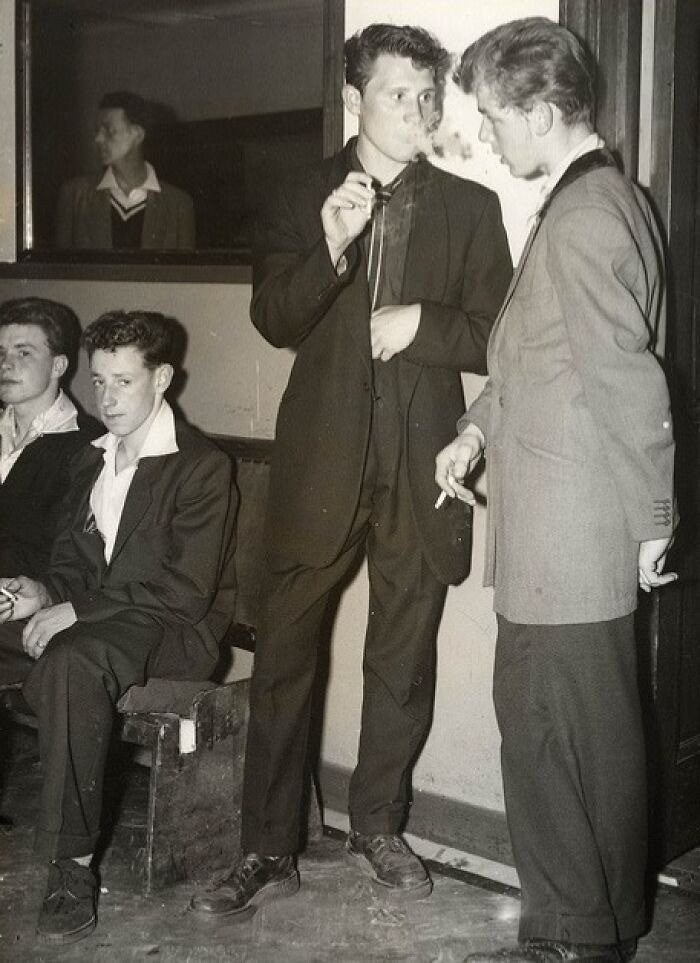
"The Stag-Line At A Dance Hall, July 1955"
 Ken Russell
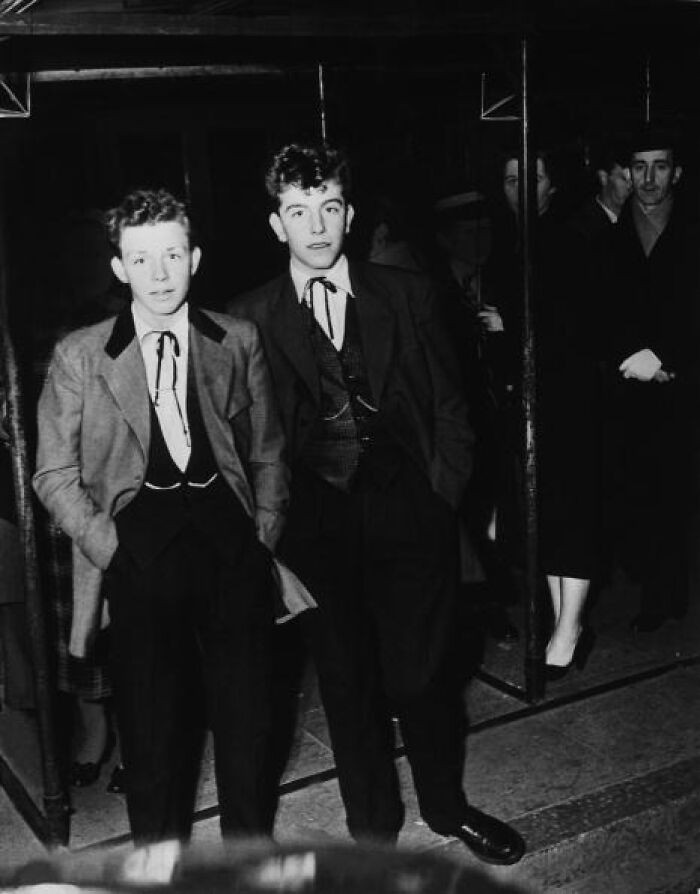
"Two Original 1954 Teddy Boys At Kingston Upon Thames"
 Ken Russell
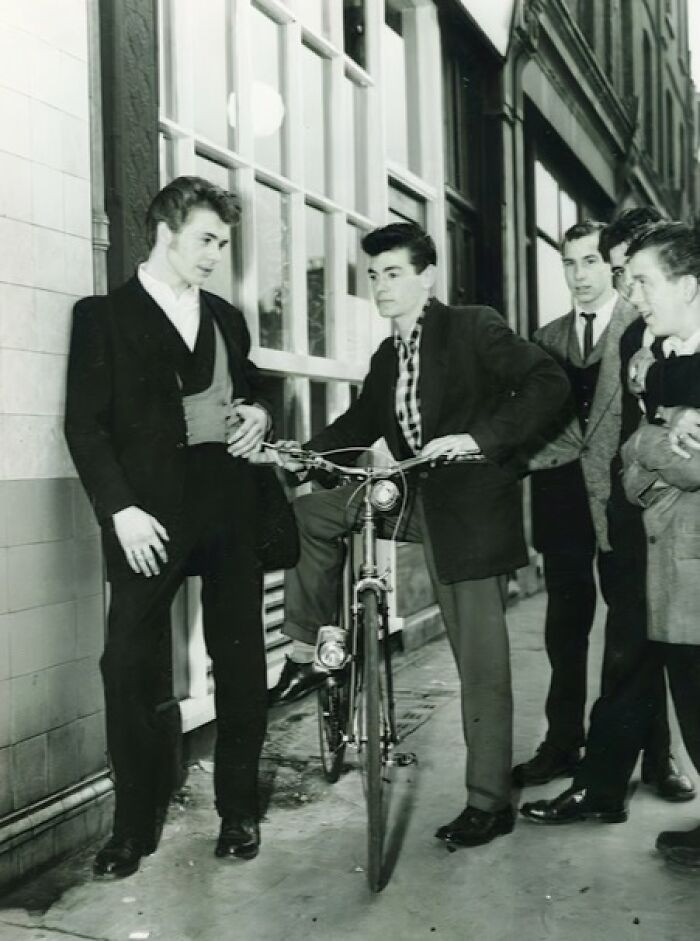
"Boys Wearing Edwardian Style Clothes At The "Teen Canteen" At Elephant & Castle, South London, July 1955"
 Ken Russell
And when Colin Donellan’s Edwardian Teddy Boy look shows up on Clapham Common on 10th October 1953, it makes that rebellion feel oddly specific, like it has a postcode and a date.
Their movement coincided with shifts in music, art, and social values, creating a lasting impression on British culture.
To harness this power, community programs could incorporate creative arts into youth development. Engaging young people in collaborative projects can encourage them to express themselves while also understanding their cultural heritage.
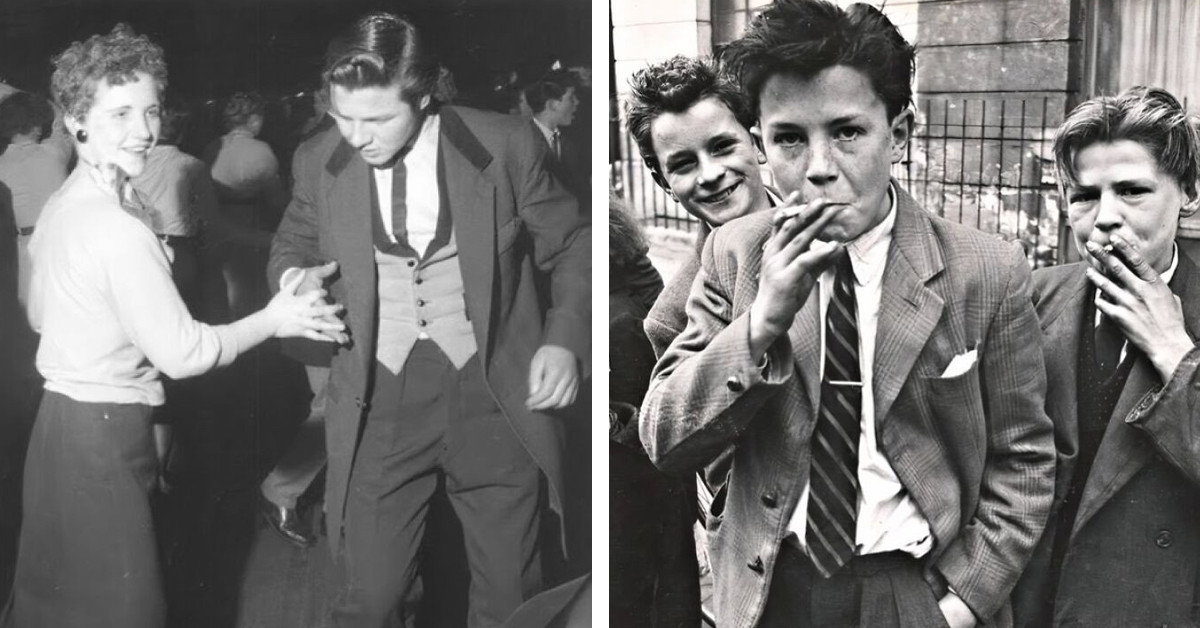
"Teddy Boy Johnny Gard Dances With A "Judie" (Teddy Girl) In A London Suburban Dance Hall, 1954"
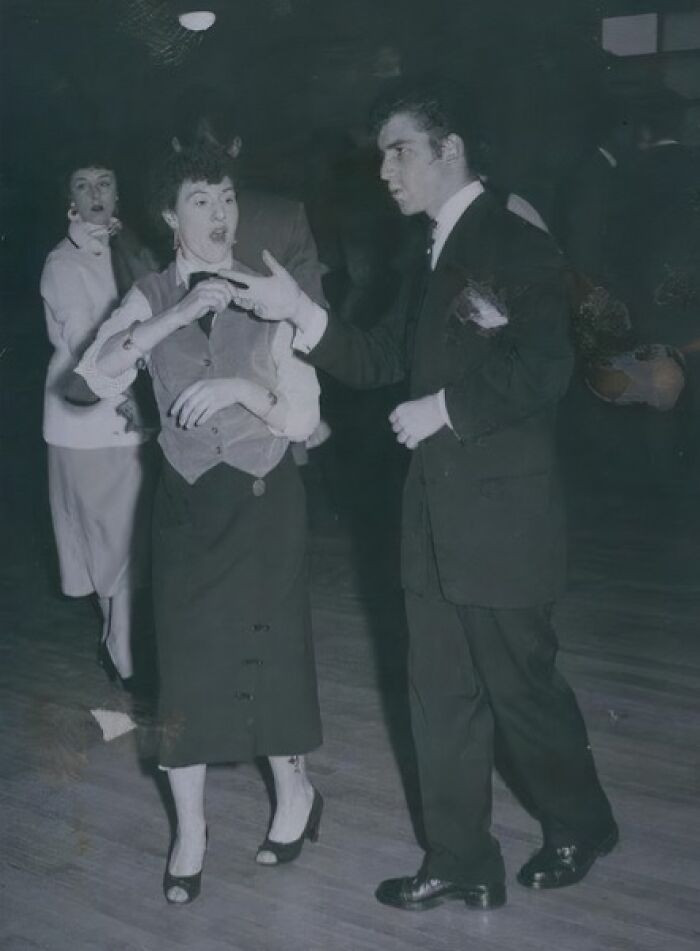 Ken Russell
"Teddy Boys"
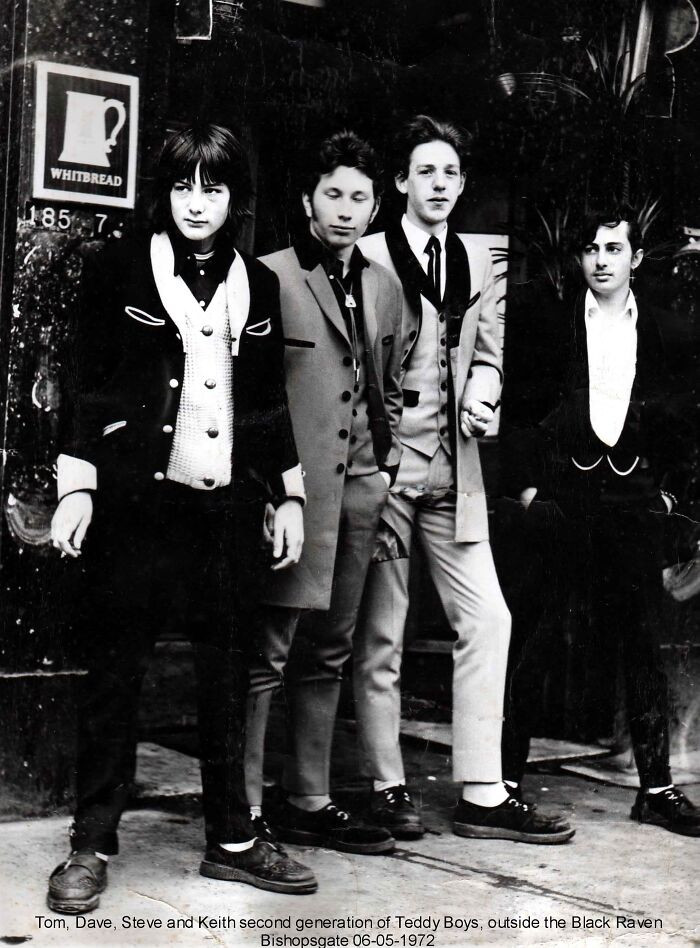 Wikimedia Commons
"1956 Photo Shoot On A Saturday Afternoon In Pompey. Original Southsea Teddy Boys"
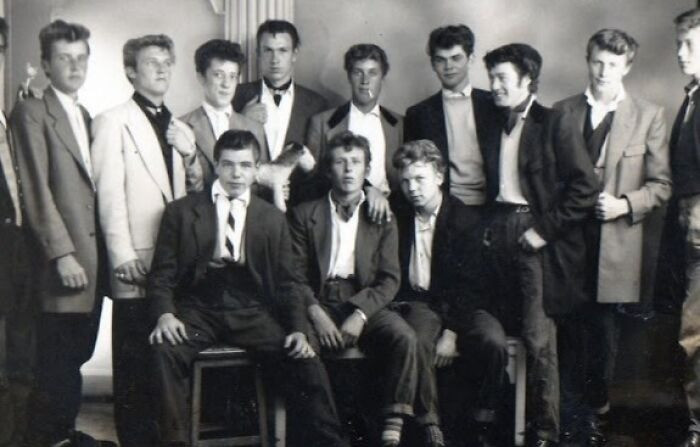 Ken Russell
Fashion as a Tool for Expression
Modern youth can benefit from this lesson; by embracing their unique styles, they foster confidence and assert their identities. Workshops on personal branding and fashion can empower young people to curate their own narratives through style.
The Teddy Boy movement proved that youth culture could leave a lasting mark far beyond fashion trends. What started as a style statement became a bold declaration of identity and independence.
Their sharp suits, street presence, and refusal to blend in reshaped society's view of teenagers. Long after the drap jackets faded, the spirit of rebellion they sparked continued to influence music, fashion, and cultural expression.
The Teddy Boys stand as a testament to the power of youth culture in challenging societal norms through fashion and attitude. Their legacy is more than just a style; it represents a pivotal moment in British history when young people asserted their identities.
As we look to the future, fostering environments that support self-expression through fashion can empower today’s youth. By understanding the historical context and encouraging creative exploration, we can help young individuals navigate their identities with confidence and purpose.
Their clothes were the message, and the streets were the megaphone.
From dusty corners to family gifts, see what people were unexpectedly handed in Remarkable Antique Finds People Were Gifted.

Damjan