How Society’s Expectations Shaped And Reshaped Women’s Bodies Over Time
Understanding the patterns that prove beauty standards are never fixed.
Beauty ideals didn’t just “happen.” They were built, sold, and enforced, decade by decade, until women’s bodies started getting treated like public property. In this timeline, you can almost hear the crowd chanting different rules for different eras, from the 1910s Gibson girl to the 1920s flapper, and on through the later screen and social-media eras.
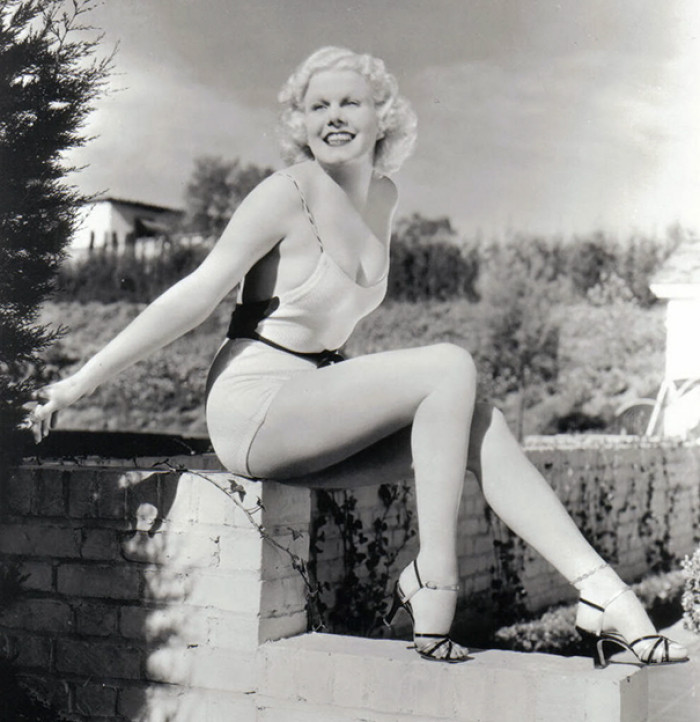
Camille Clifford’s Gibson girl silhouette, Alice Joyce’s flapper-era image, and Jean Harlow’s siren look all show the same pattern, society rewards one look, then punishes the next. The complication is that each ideal gets wrapped in big promises, “progress,” “freedom,” “glamour,” while economic conditions and shifting roles keep rewriting what “perfect” even means.
And once the rules start changing that fast, it’s not just bodies that get reshaped, it’s expectations.
1910s: Gibson girl
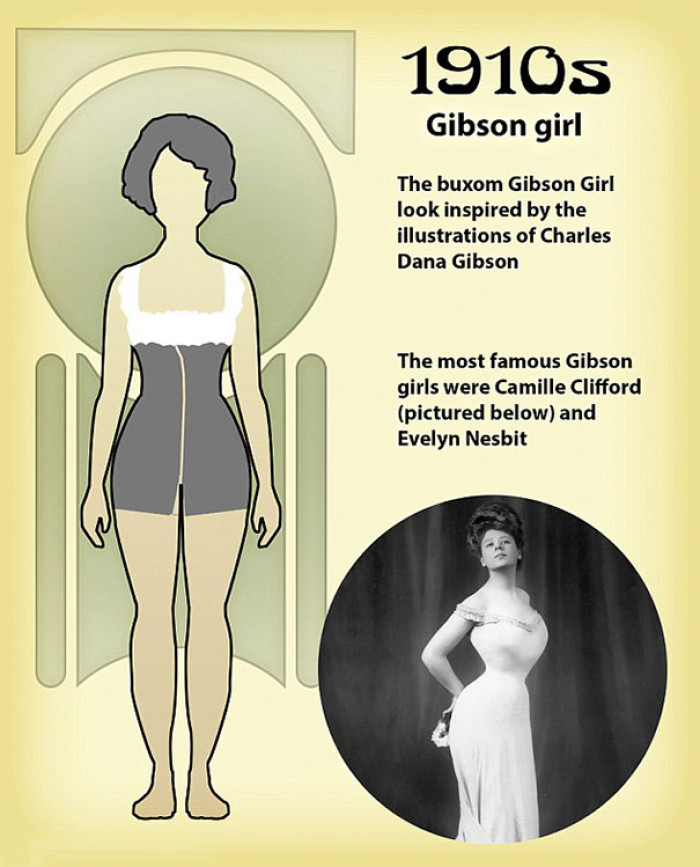 Leo Delauncey
Camille Clifford
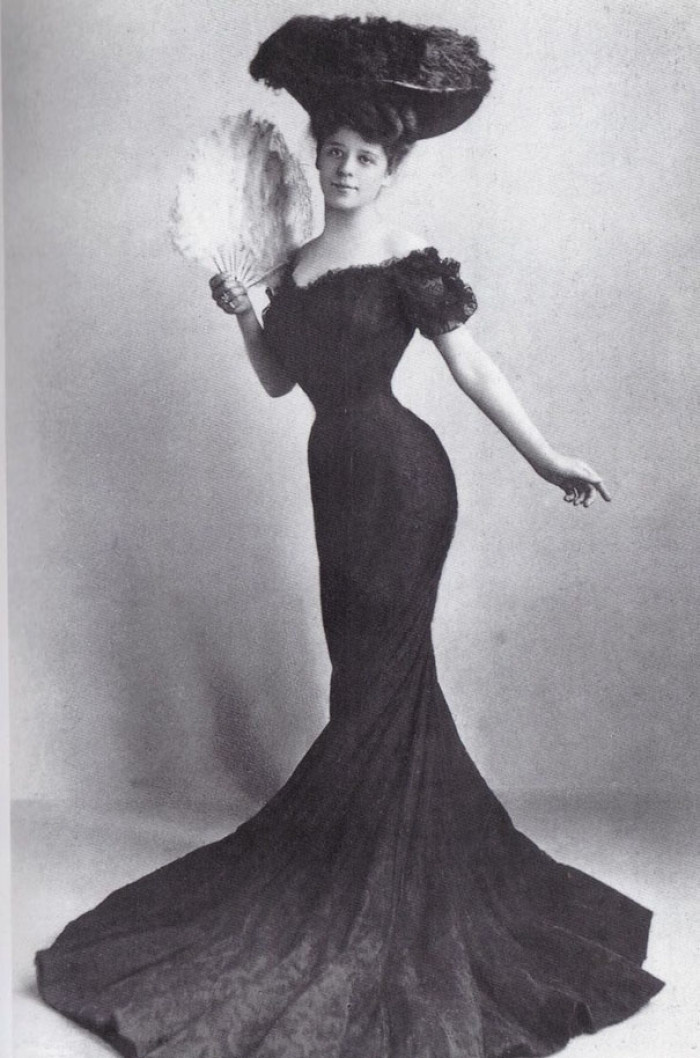 Draycott Galleries
1920s: The flapper girl
 Leo Delauncey
Historical Context
Societal beauty standards have always been influenced by cultural narratives and economic conditions. Over the decades, these ideals have been tied to social progress and the shifting roles of women in society. For instance, the flapper movement in the 1920s challenged Victorian norms, promoting a more liberated image of femininity.
This historical perspective helps us understand how current standards are not just arbitrary but deeply rooted in the socio-political landscape, reflecting broader societal changes.
Future Implications
Looking forward, it’s crucial to recognize that beauty standards will continue to evolve. Failing to address the underlying societal issues can perpetuate cycles of dissatisfaction and unrealistic expectations. Advocating for historical awareness to understand how past beauty ideals influence present perceptions is important. By engaging with history, individuals can become more critical consumers of beauty narratives and advocate for healthier standards that promote well-being over appearance.
This awareness is essential for creating a future that values authenticity and diversity.
Alice Joyce
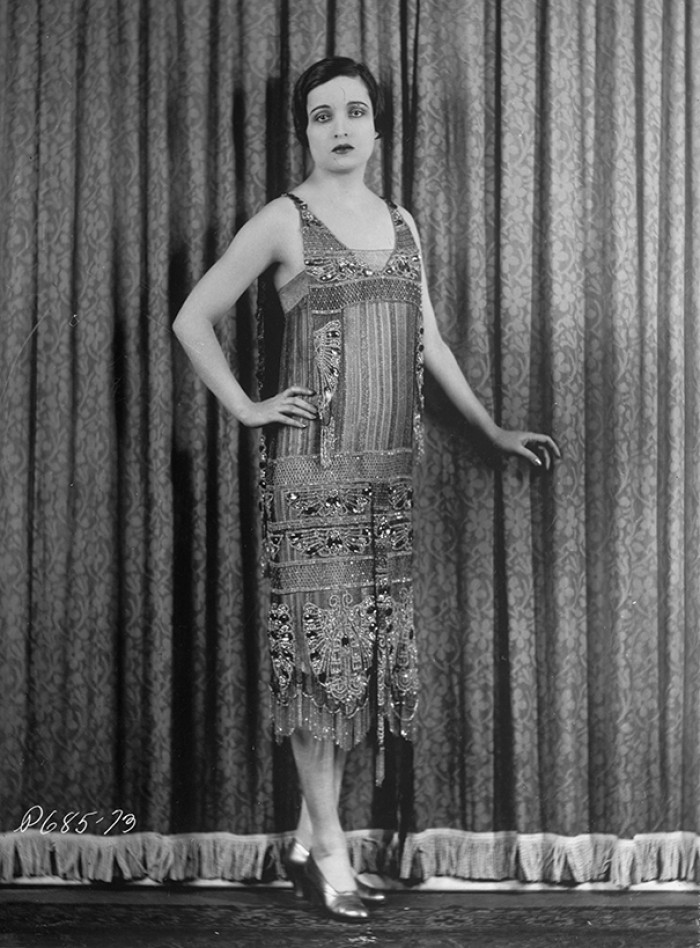 Bain News Service
1930s: The siren
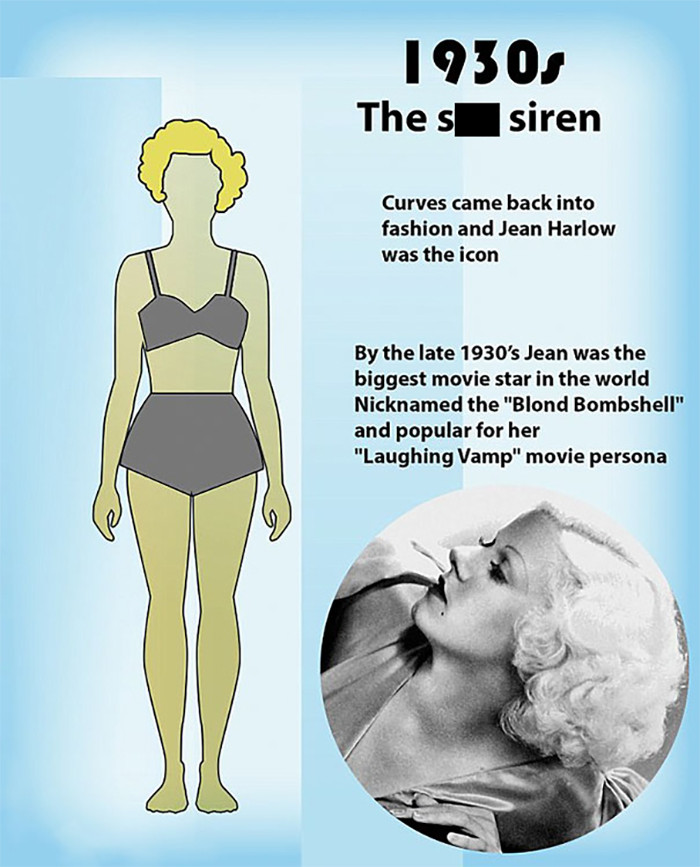 Leo Delauncey
Jean Harlow
 ECO DEL CINEMA
That’s why the Gibson girl years feel like a blueprint, Camille Clifford’s look became a template people were expected to measure themselves against.
The pressure to conform to ever-changing beauty standards can lead to significant mental health challenges.
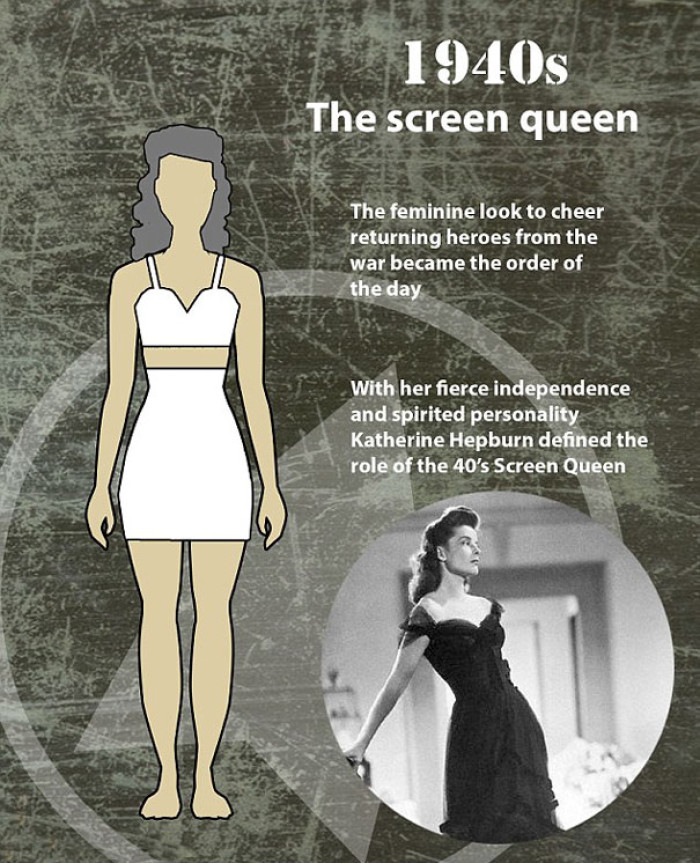
1940s: The screen queen
 Leo Delauncey
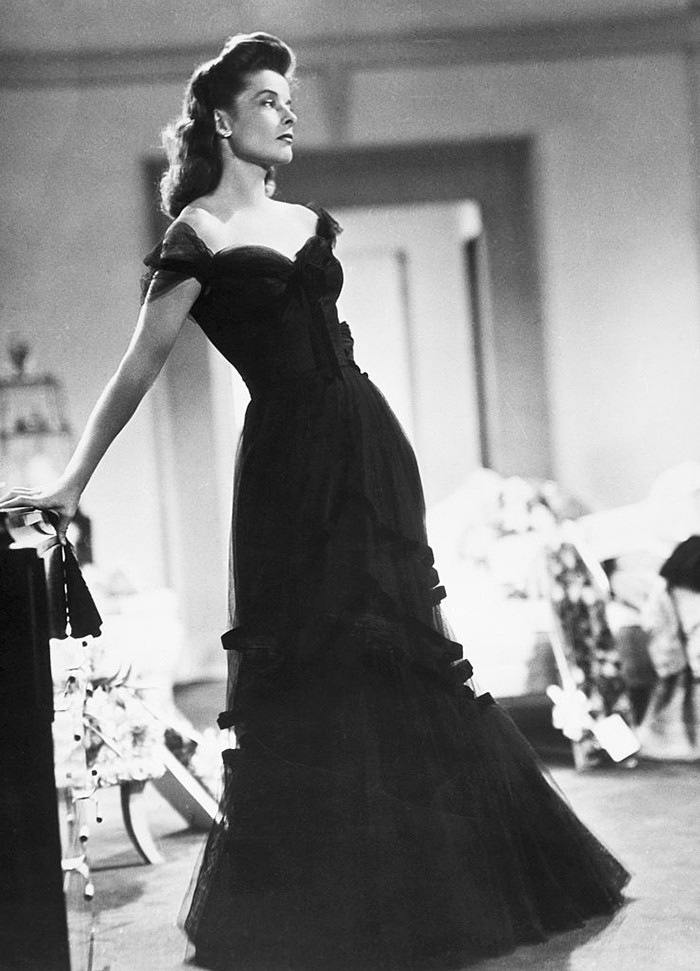
Katherine Hepburn
 Getty Images
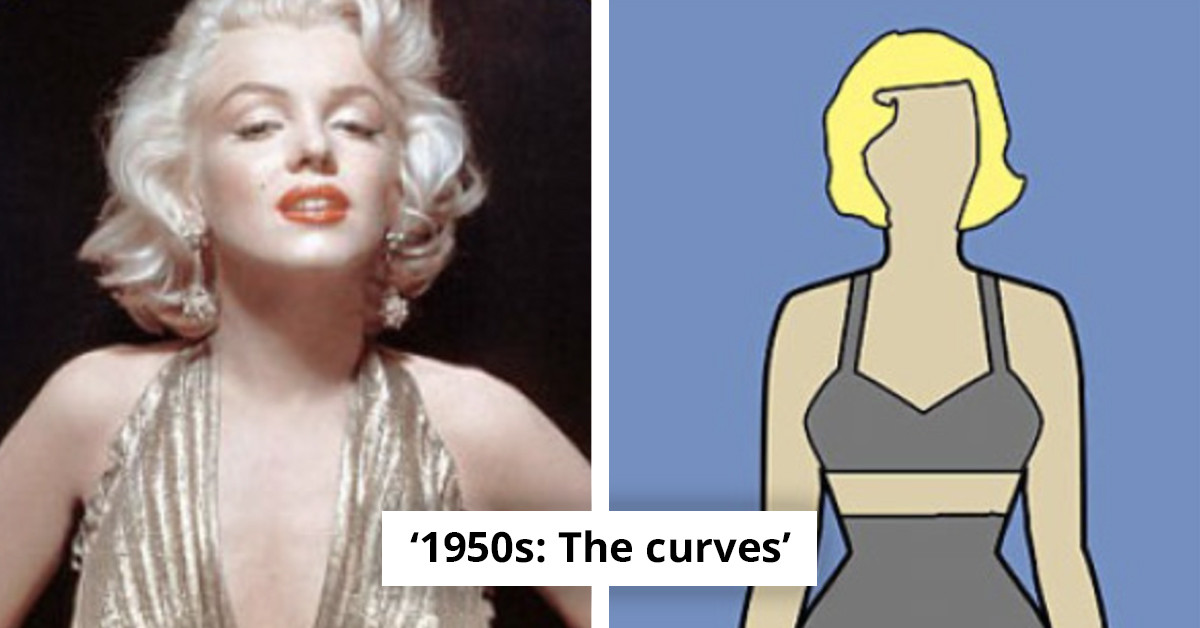
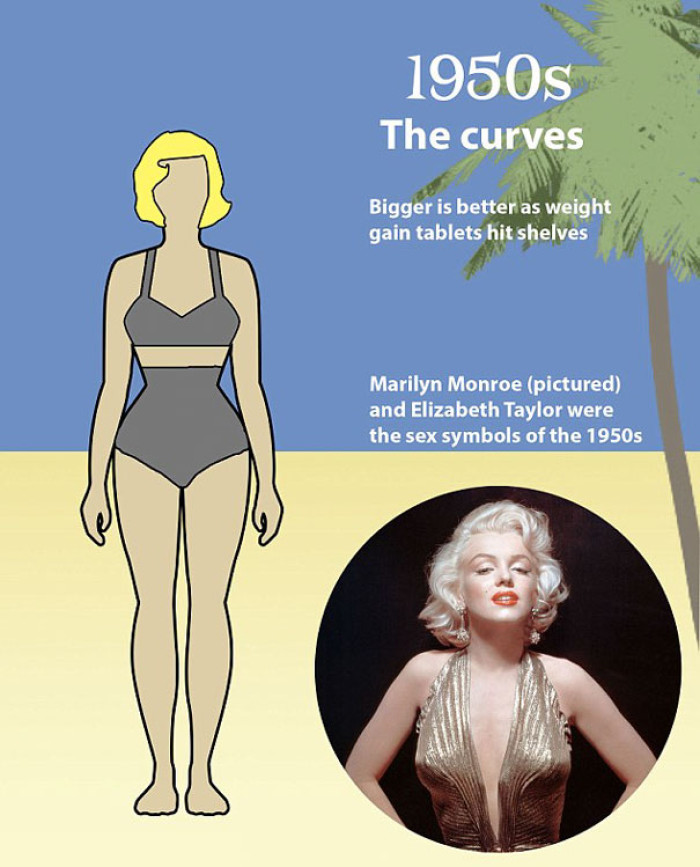
1950s: The curves
 Leo Delauncey
Then the flapper girl era hits, with the flapper movement tossing Victorian norms aside, and suddenly the “right” body is supposed to look looser, freer, and more daring.
The influence of media on beauty standards cannot be overstated, particularly as society's expectations have evolved dramatically over the last century. The article highlights how each decade has introduced a new, often conflicting ideal of the "perfect woman," reflecting broader cultural shifts. The rise of social media has intensified these pressures, creating an environment where unrealistic beauty standards are not only prevalent but also pervasive, especially among young women.
Research underscores the correlation between exposure to these idealized images and increasing body dissatisfaction, leading to unhealthy behaviors. By equipping young people with the tools to critically evaluate the content they encounter, we can encourage a healthier and more realistic perception of body image, countering the damaging effects of curated portrayals that dominate social platforms.
Elizabeth Taylor
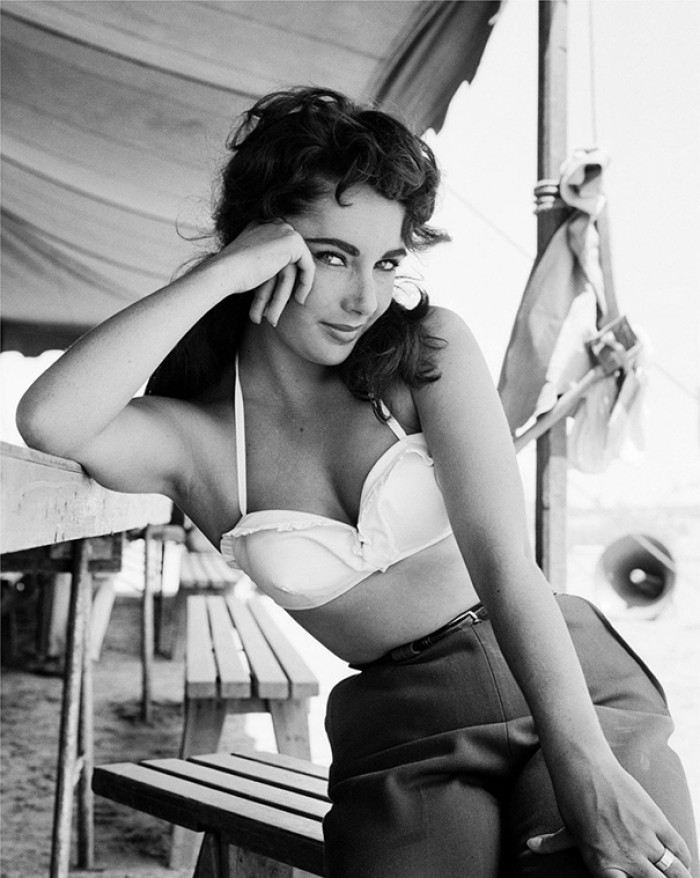 George Stevens Productions
1960s: The petite
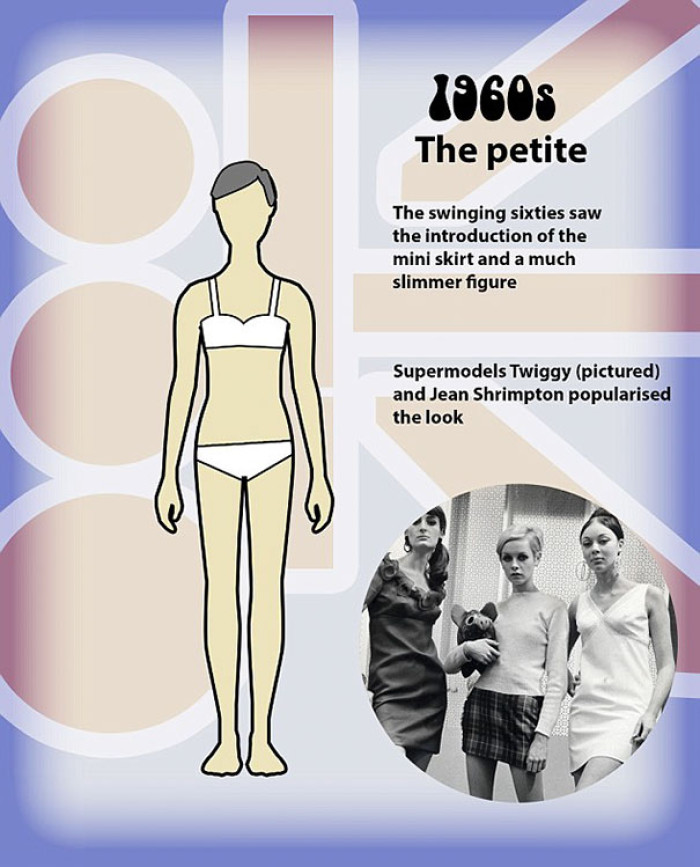 Leo Delauncey
Twiggy
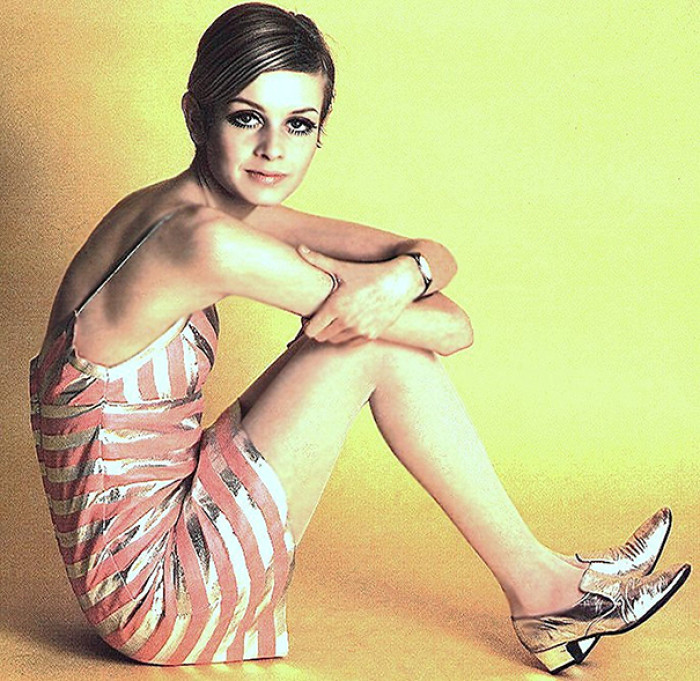 flickr.com
Building a supportive environment can encourage women to embrace diverse body types and challenge traditional ideals.
It’s a different kind of family rupture, like the sole heir estranged daughter returning to battle for what she calls “hers”.
1970s: The 70’s pin up
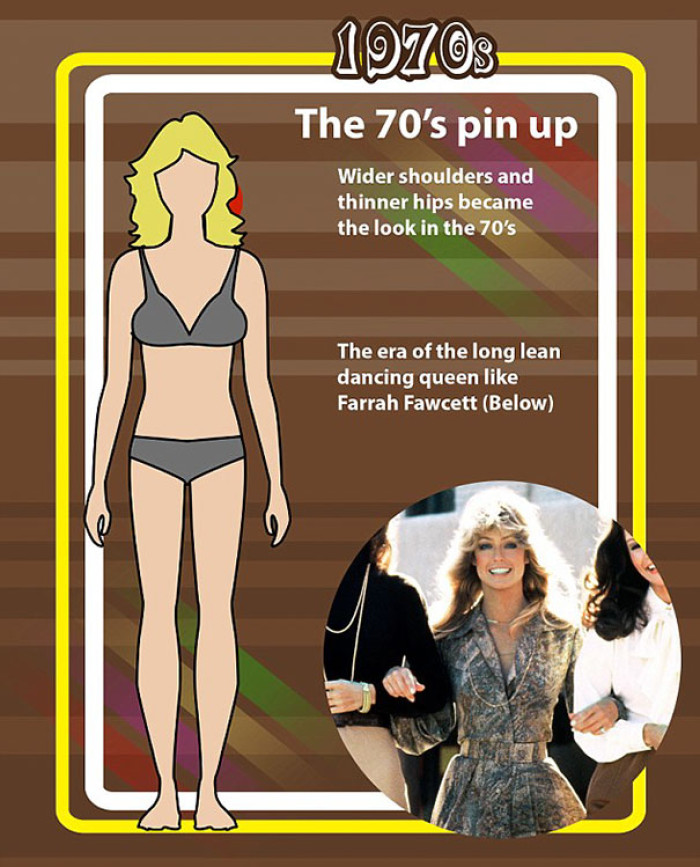 Leo Delauncey
Farrah Fawcett
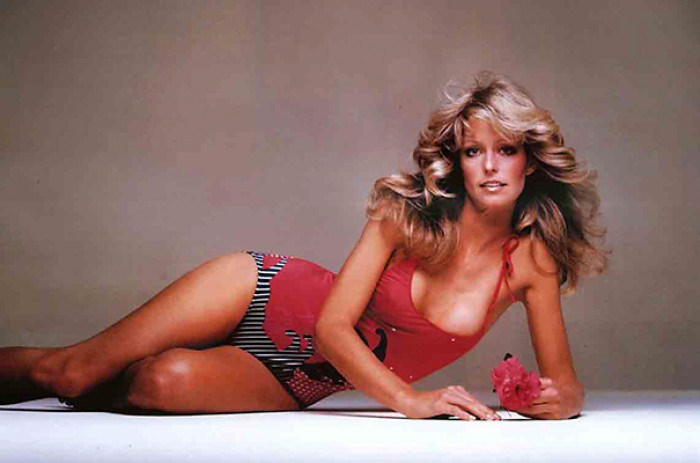 Los Angeles magazine
1980s: The supermodel
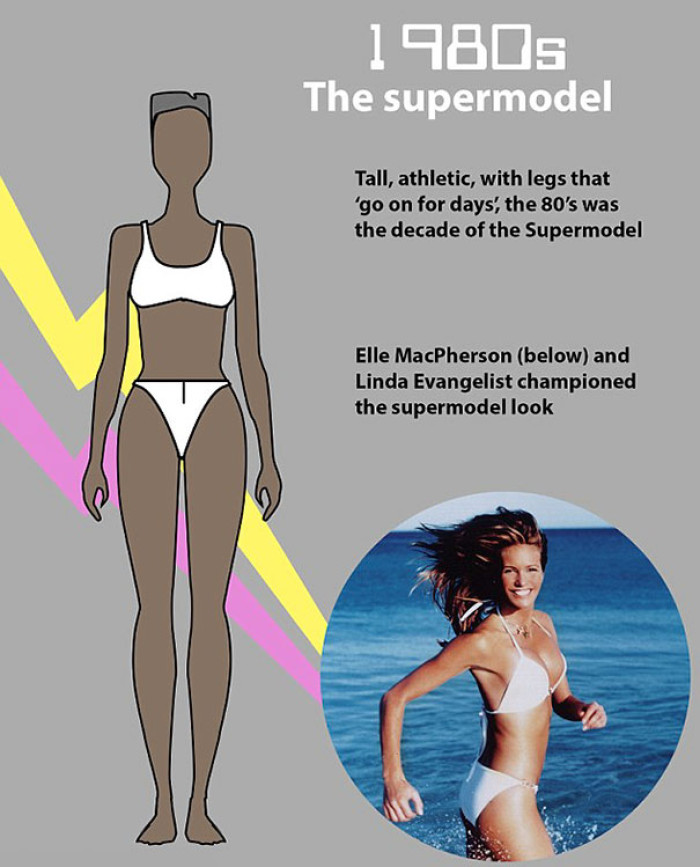 Leo Delauncey
By the 1930s siren phase, Jean Harlow’s vibe turns pressure up again, because the “perfect woman” keeps moving the goalposts while the expectations pile on.
Cultural Shifts
Societal changes in beauty standards often reflect deeper cultural shifts.
Elle MacPherson
 Victoria’s Secret
1990s: The waif
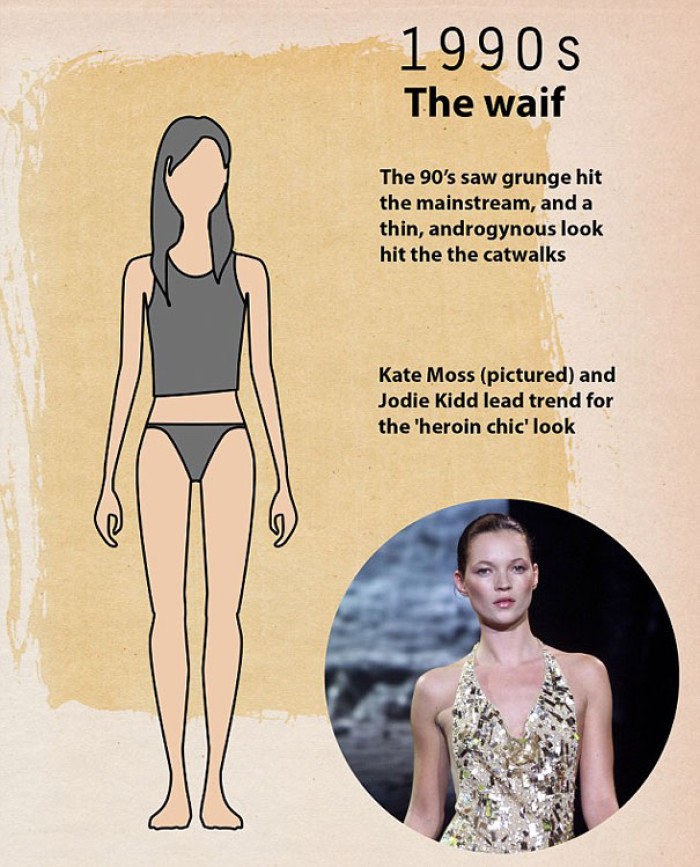 Leo Delauncey
Kate Moss
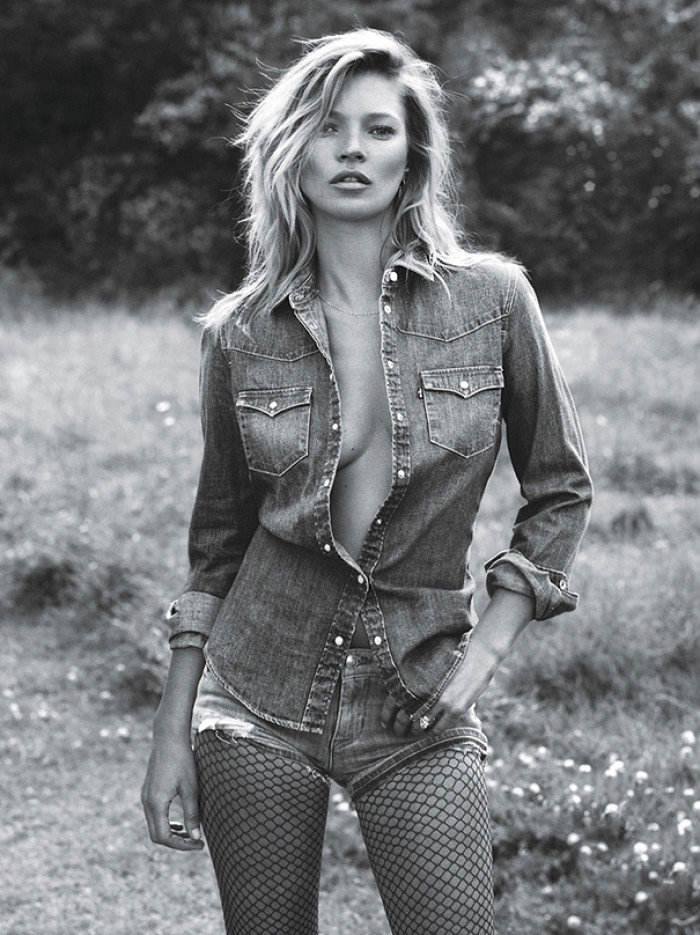 W magazine / Mert Alas and Marcus Piggott
This may include mindfulness practices, journaling, or participating in supportive communities that celebrate body diversity.
2000s: The tone
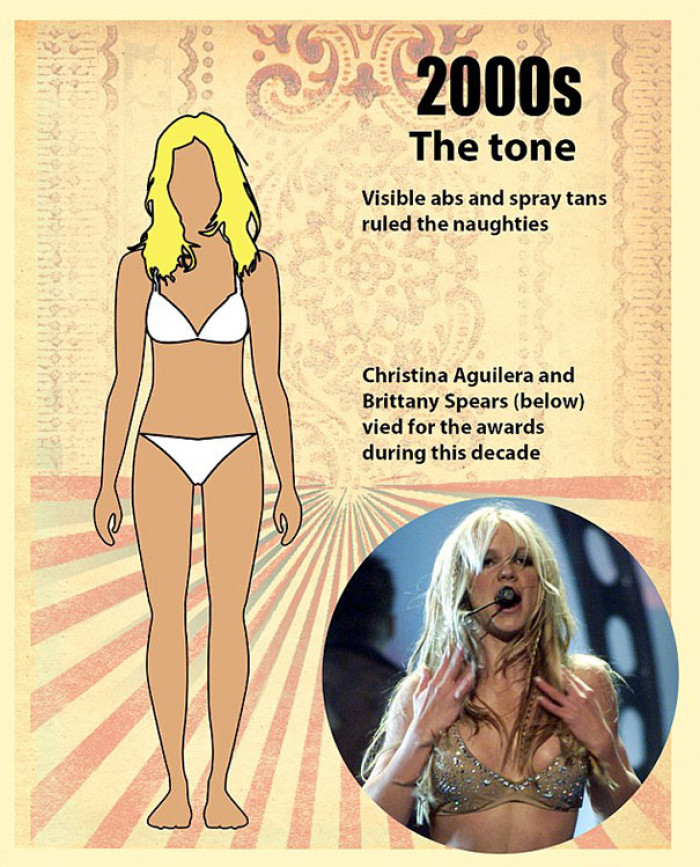 Leo Delauncey
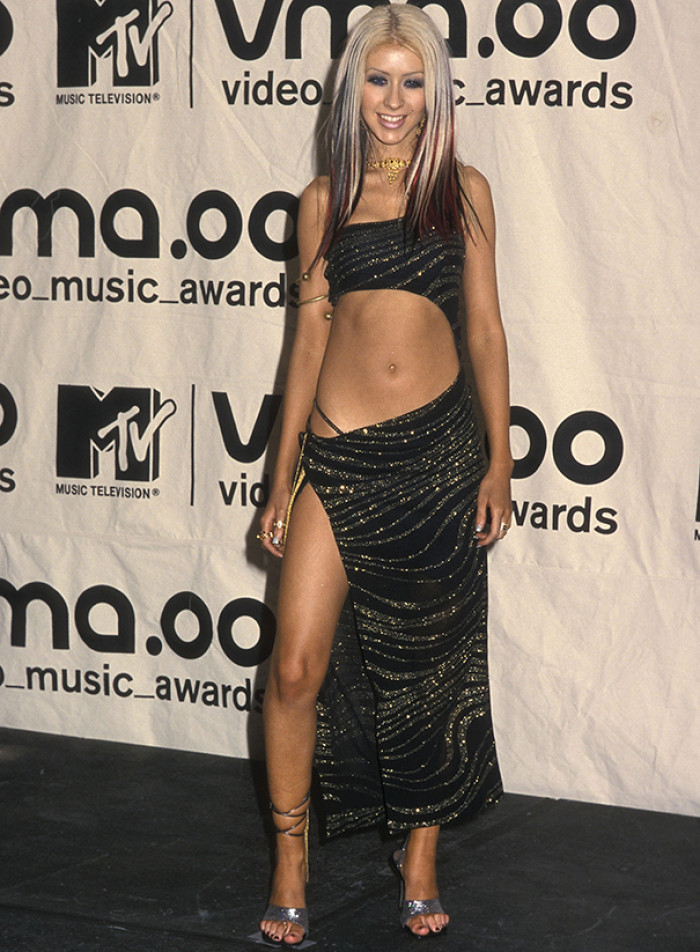
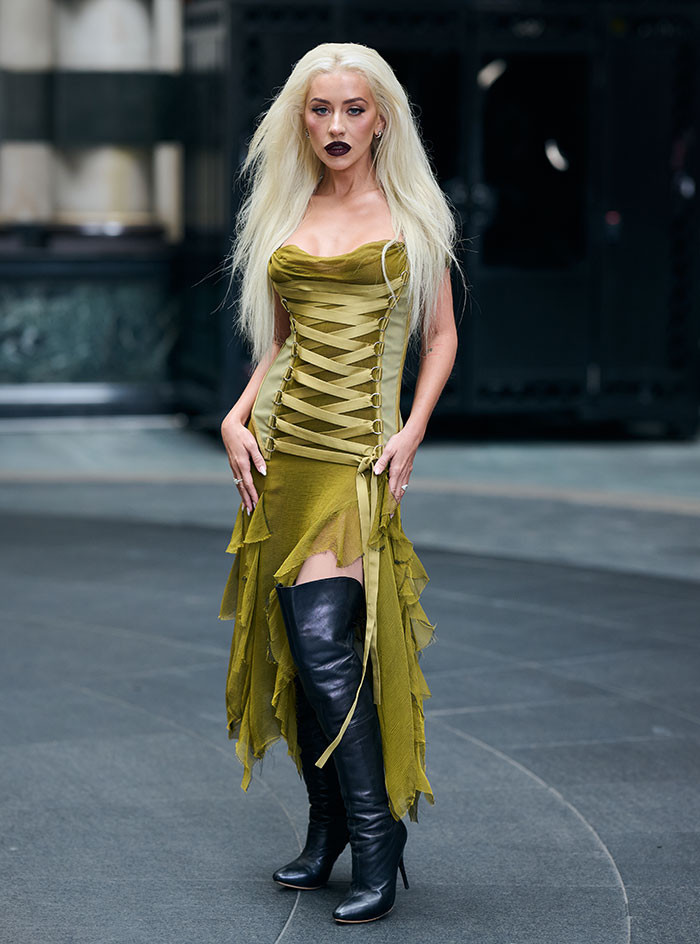
Christina Aguilera
2010s: The bootylicious
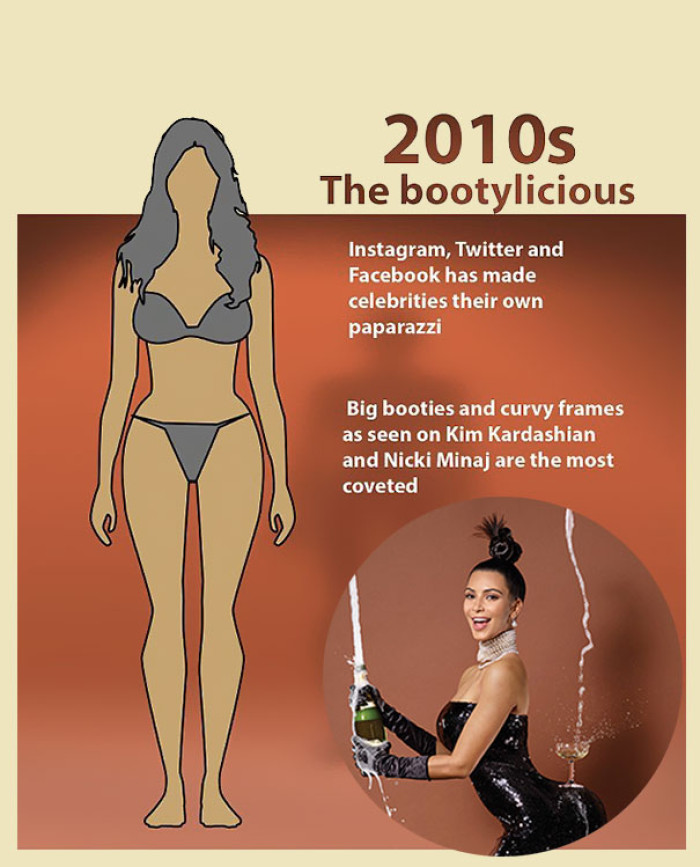 Leo Delauncey
And when the screen queen and the curves take over, Katherine Hepburn and the media machine make it impossible to escape, especially once social media starts amplifying everything for young women.
The shifting societal beauty standards highlighted in the article reveal a troubling pattern that directly impacts women's self-esteem.
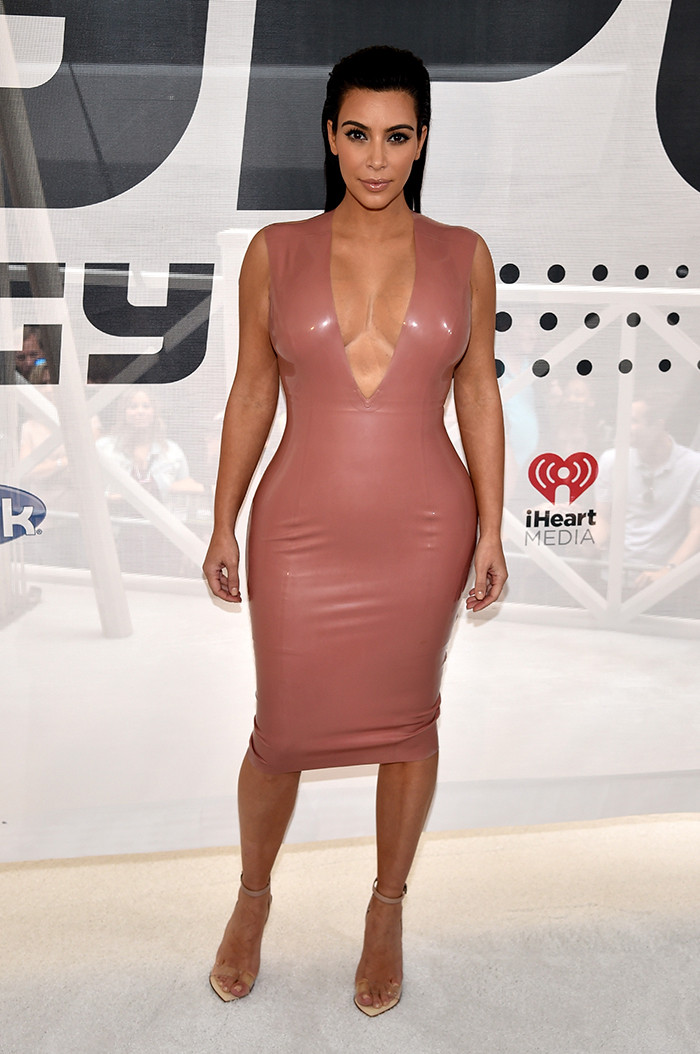
Kim Kardashian
Christina Aguilera
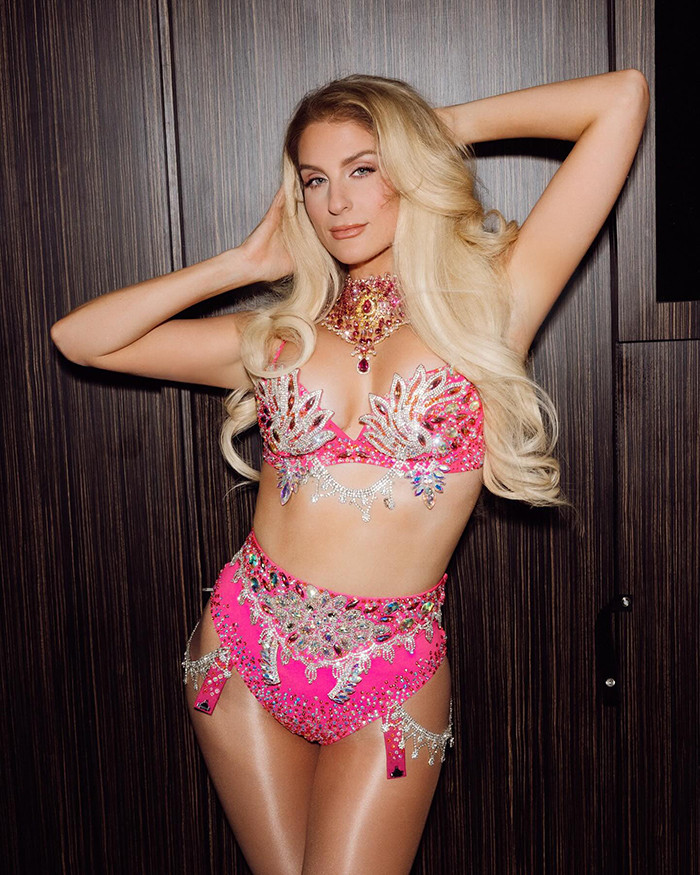
Meghan Trainor
These initiatives can include workshops on media literacy, discussions about beauty standards, and activities that celebrate diverse body types. Engaging young people in these conversations early on can empower them to challenge societal norms and develop a more positive relationship with their bodies. By normalizing these discussions, we can create supportive environments that foster acceptance and resilience against societal pressures.
Ultimately, proactive measures can cultivate a culture where individuality is celebrated.
The history of changing body ideals shows how fragile and inconsistent beauty standards really are. What was admired in one decade was dismissed in the next, proving these trends were never worth chasing.
Today, understanding that pattern helps people step back from comparison and appreciate their own shape. Real confidence comes from rejecting shifting expectations and valuing the body you already live in; self-worth should never depend on trends.
The article highlights the significant evolution of beauty standards and how they are deeply intertwined with societal expectations, media representations, and personal experiences. It suggests that each decade's shifting ideal not only reflects changing cultural values but also affects women's self-perception and body image. To combat these pressures, fostering self-compassion and community support emerges as crucial. Encouraging media literacy is equally important, as it equips individuals with the tools to critically evaluate the often unrealistic portrayals they encounter. By promoting environments that celebrate diversity and facilitate open discussions about beauty, society can empower women to embrace their unique identities. This shift towards valuing authentic beauty over transient ideals can cultivate healthier self-images and enhance overall mental well-being.
The body you’re “supposed” to have keeps changing, but the pressure never does.
For another inheritance fight, read about a deadbeat dad who vanished at 6, then left his son with a fight over inheritance.

Damjan