
‘Nike Shoe’ Appears in 17th-Century Portrait
Museum visitors couldn't believe what they spotted when they looked closer at the famous portrait.
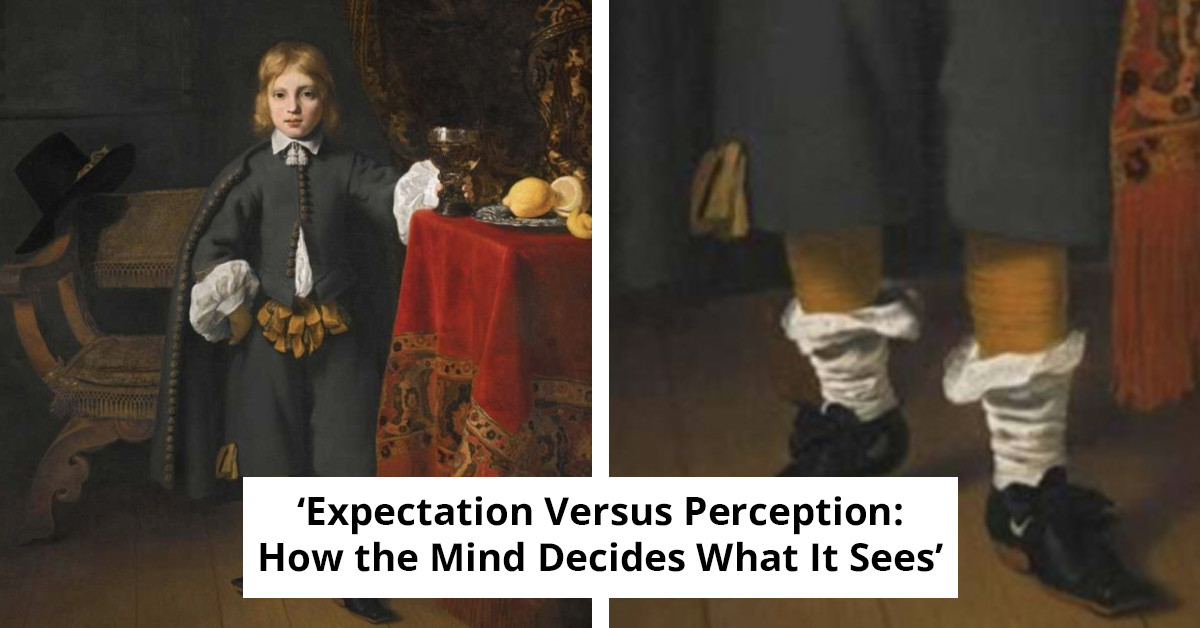
Someone spotted a “Nike shoe” in a 17th-century portrait, and suddenly a stuffy gallery visit turned into a full-blown mystery hunt. The image people keep talking about is Ferdinand Bol’s “Portrait of a Boy,” where a boot detail looks weirdly familiar to modern eyes.
Here’s the twist, it’s not some secret brand cameo from the past. The mark is part of the boot’s design, painted centuries before Nike even existed, but our brains love pattern-matching, so the resemblance feels intentional. That’s where the complication starts, visitors crowd in to inspect the shoe like it’s evidence, and the painting becomes less about art history and more about whether the “Nike” moment is coincidence or commentary.
And once the rumor catches fire, the portrait basically becomes a treasure map for anyone who thinks they just found a brand-new clue.
The Real Story Behind the “Nike” Mark
Of course, the explanation is far less dramatic. Art historians point out that the mark is simply part of the boot's design, created hundreds of years before Nike was founded in the 20th century. Human brains naturally search for familiar patterns, especially well-known logos that people see almost every day.
That tendency, known as pareidolia, often leads people to recognize faces, symbols, or objects where none were intentionally placed.
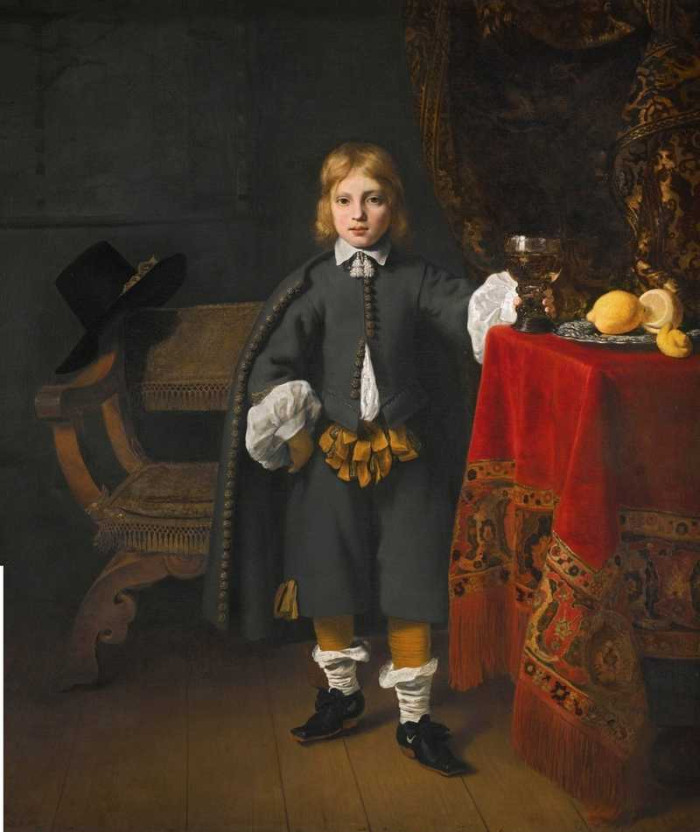 National Gallery
That’s when visitors start circling Ferdinand Bol’s “Portrait of a Boy,” trying to stare down a tiny brushstroke like it’s going to confess.
Despite the logical explanation, the illusion has given the portrait a second life. Visitors now approach the painting eager to inspect the famous shoe for themselves, turning a traditional gallery visit into something closer to a treasure hunt.
Many leave amused by how a tiny brushstroke painted centuries ago can suddenly feel surprisingly modern.
Then pareidolia kicks in, turning a normal boot design into a modern-looking “Nike” symbol for anyone who has seen the logo a thousand times.
The Intriguing Detail That Captured Attention
This isn't just about a shoe appearing in a 17th-century painting; it's about how a modern icon like Nike can spark debate around art and authenticity. The fact that this detail was spotted in Ferdinand Bol's 'Portrait of a Boy' raises questions about how we contextualize historical art. Is it possible that this was a clever addition, or is it merely a coincidence that a sneaker resembles something from our era?
What's fascinating is the way this detail has turned the painting into a viral sensation. The juxtaposition of high culture and modern consumerism forces us to consider how both influence each other. Are we seeing a playful commentary on art interpretation or just a fluke that’s been blown out of proportion? Either way, the conversation around it reveals a lot about our current relationship with both art and brands.
This pareidolia twist feels similar to the 1826 French attic photo that needed an eight-hour exposure, then vanished for decades.
Old Master Artwork Sparks a Modern Branding Joke
Museums have increasingly embraced these unexpected viral moments. A single optical illusion or amusing observation often introduces classic artworks to audiences who may never have paid attention otherwise.
What begins as a joke frequently encourages people to learn more about the artist, the historical period, and the techniques behind the painting. The accidental resemblance also highlights how powerful branding has become.
The curved white shape immediately calls Nike to mind because the logo has become one of the most recognizable symbols in the world. That instant association says as much about modern culture as it does about the centuries-old artwork itself.
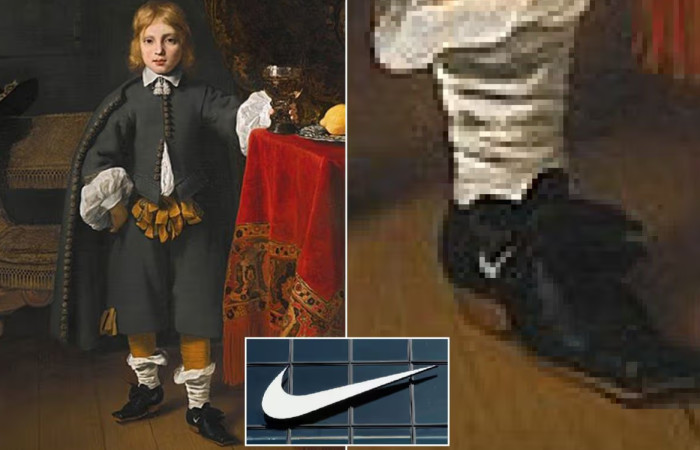
The whole thing gets messier because the conversation shifts from the painting itself to the weird clash between high culture and everyday consumer branding.
A simple detail on an old painting has reminded people that art still has the power to surprise. Whether viewers see a centuries-old boot or a modern trainer depends largely on what their eyes expect to find.
The portrait has not rewritten history, but it has succeeded in making thousands of people look more closely at a masterpiece they might otherwise have walked past without a second glance.
And once museums lean into the viral angle, the “Nike shoe” detail stops being a detail and starts being the main event for the next wave of gallery-goers.
Art, Interpretation, and Modernity
This incident also highlights the tension between historical preservation and contemporary relevance. As museum-goers noticed the sneaker, they inadvertently challenged the boundaries of what we consider 'authentic' in art. The question of whether this detail was an intentional addition or simply a visual coincidence forces us to confront how modern sensibilities can reshape our understanding of the past.
Social media reactions have been mixed—some are amused, while others feel it trivializes a historical artifact. This dichotomy illustrates a larger cultural conflict: how do we balance appreciation for art's history with the influences of modern branding? The dialogue sparked by this portrait reveals not just curiosity but also a deeper inquiry into the intersection of history and modern consumer culture.
Final Thoughts
This quirky revelation about a 17th-century portrait shows how art can still surprise us and engage contemporary audiences. It raises critical questions about authenticity and interpretation in our rapidly changing cultural landscape. Are we ready to embrace a future where the past and present collide in unexpected ways? How do you think this blend of history and modernity affects our appreciation of art?
The portrait didn’t change, but everybody’s “Nike” theory sure did.
Want more “wait, that’s not what I thought” moments? See 31 artworks that turn personal feelings into shared experiences.

Damjan