
Atlantic Researchers Reveal Hidden Mega Mass Of Water Beneath The Equator
At first glance, water seems simple. In reality, it’s far more complex.
For years, the Atlantic Ocean refused to play along. Researchers kept seeing the usual layered water patterns, but the one thing that showed up so clearly in the Pacific and Indian oceans, back in 1942, never quite matched on the Atlantic side.
So the team went back to the basics, temperature and salinity, the two ingredients that control seawater density. When water masses line up just right, they trace smooth curves on those density charts, almost like the ocean is drawing its own signature. In the Atlantic, that signature was missing, until the data finally revealed a hidden mega mass beneath the equator.
Now the equator has a secret, and the Atlantic is the one keeping it.
At first glance, water seems simple. In reality, it’s far more complex.
 Pexels
The Atlantic Equatorial Water had no matching pattern for years, even though the Pacific and Indian oceans already showed up with those clean density curves in 1942.
"The identified new water mass has allowed us to complete (or at least more accurately describe) the phenomenological pattern of basic water masses of the World Ocean."
The Atlantic Equatorial Water forms where separate bodies of water come together along the equator. To identify unique masses like this, scientists study how temperature and salinity interact because those elements determine seawater density.
This approach led to the discovery of equatorial waters in the Pacific and Indian oceans back in 1942. Those bodies of water share temperature and salinity patterns that create smooth curves on density charts, making them stand out from surrounding waters.
The discovery of a hidden mega mass of water beneath the equator is a pivotal moment for our understanding of oceanic systems. This newfound water mass not only reshapes our knowledge of ocean dynamics but also underscores the intricacies of how our oceans interact. The identification of such concealed features reinforces the necessity for integrated ocean management strategies. As we delve deeper into these uncharted territories, the importance of cutting-edge technologies becomes evident. Remote sensing and deep-sea submersibles are essential tools for effectively monitoring these vast, hidden reserves of water.
Moreover, this finding calls for international collaboration in marine research. Protecting our oceans in the face of climate change demands a unified global effort to navigate and manage the complexities of these environments. Understanding these hidden water masses is crucial for developing strategies that can mitigate the adverse effects of climate change on marine ecosystems.
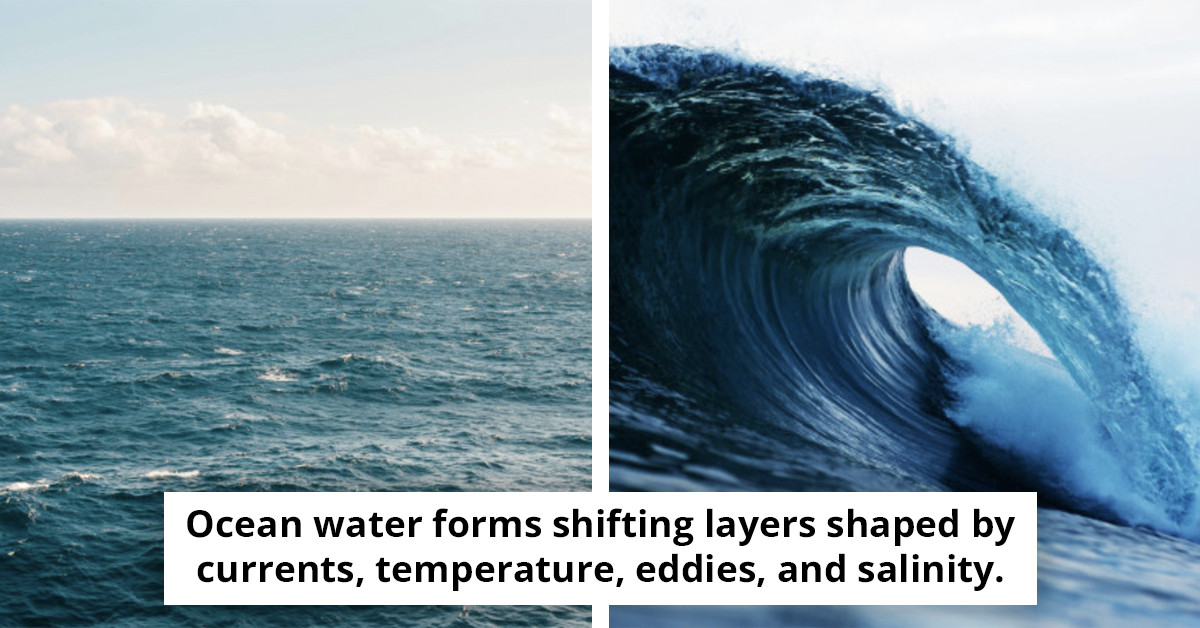
Ocean water forms a collection of layered masses that shift, blend, or separate as currents, temperature changes, eddies, and salinity variations push them around
 Pexels
Then the charts changed, because the temperature and salinity interactions started lining up in a way nobody had seen in the Atlantic before.
This is similar to a Redditor’s revenge mission over dad’s will and the inheritance split.
For years, no matching pattern appeared in the Atlantic. That changed with help from data collected by the Argo program, a global network of robotic floats that dive and resurface to record ocean conditions.
The team found a previously overlooked temperature and salinity curve that runs alongside the North Atlantic and South Atlantic Central waters. That curve revealed the missing Atlantic Equatorial Water.
 Pexels
That’s when the “mega mass” idea stopped being hypothetical and turned into a missing piece of the World Ocean’s water-mass puzzle.
The discovery of a hidden mega mass of water beneath the Atlantic could have profound implications for our understanding of ocean dynamics. This find challenges existing notions of how ocean circulation patterns operate. The presence of these previously unknown water reservoirs suggests that they may be crucial in regulating climate and sustaining marine ecosystems.
Recognizing the ocean as the planet's life support system highlights the importance of understanding its depths. This research not only emphasizes the need for continued exploration but also calls for enhanced monitoring to ensure the sustainable management and conservation of these vital resources.
With the equator suddenly getting a new hidden layer, the only way to keep track of it is to rely on remote sensing and deep-sea submersibles, and to coordinate across borders.
This discovery gives scientists a clearer picture of how the world’s oceans mix. That clarity matters because the movement of heat, oxygen, and nutrients shapes marine ecosystems and influences global climate patterns.
The revelation of a hidden mega mass of water beneath the Atlantic Ocean marks a significant shift in our comprehension of oceanic dynamics and their far-reaching implications for global climate. This newfound understanding emphasizes the necessity of refining our research methodologies and enhancing collaborative efforts within oceanography. The integration of innovative technologies and international partnerships will be crucial in deepening our insights and promoting responsible stewardship of these essential resources. As we uncover the complexities of our oceans, cultivating a greater awareness becomes imperative to ensure their health and resilience amid the challenges posed by climate change.
The equator just got a new water layer, and the Atlantic is the one that finally spilled the secret.
Wait, you mean someone debated whether they were wrong for not using their last 20€?
Debating whether I’m wrong for not using my last 20€ to pay debt.

Damjan