Most Haunted Places in Maryland: the Mystery at Poe's Grave
For 70 years, a stranger left three roses and a half-bottle of cognac on Edgar Allan Poe's grave every January 19th, then vanished.
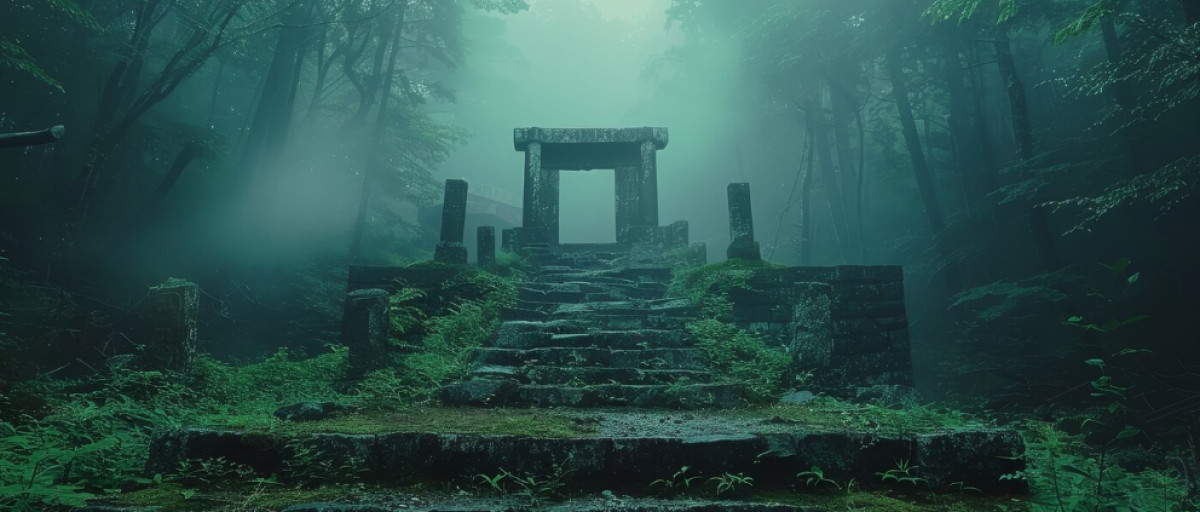
Maryland does not do “light haunting.” It does the kind that comes with history still stuck to the ground, with names, numbers, and places you can point to on a map and swear you can feel in your chest.
Start at Antietam, where on September 17, 1862, the day’s death toll was so brutal it still feels unfinished. Then move to Point Lookout, a Union prison camp and hospital where Confederate prisoners died in conditions that were never built for that many bodies, and where visitors claim they can spot a soldier rushing across the road at dusk. Even the Patapsco Female Institute ruins, once a school, then a Confederate hospital, then a hotel and theater, now sit open to empty walls that sound like laughter.
And that’s before the Jericho Covered Bridge gets involved.
The Most Haunted Battlefield in Maryland
On a single day in 1862, more Americans died here than on any other day in the country's history. The Battle of Antietam, near Sharpsburg, left more than 23,000 men dead, wounded, or missing on September 17, and the ground has never quite settled.
Visitors describe phantom gunfire, the smell of gunpowder, and soldiers in tattered uniforms, with the Bloody Lane and the small Dunker Church drawing the most reports. The sheer scale of the dead puts it alongside history's darkest chapters of mass death, the kind that leave a mark on a place long after the bodies are gone.
Many of those men were buried fast and rough, and the work of giving the fallen proper graves stretched on for years afterward.
 commons.wikimedia.org
Prison Camps, Ruins, and a Covered Bridge
Maryland's water and its war supply most of its ghosts. At the southern tip of the state, where the Potomac meets the Chesapeake, Point Lookout served as a Union prison camp and hospital during the Civil War. Thousands of Confederate prisoners died there in brutal conditions, packed into a camp built for a fraction of their number, with little shelter from heat or cold.
The lighthouse and grounds are now among the most documented haunts in the country, studied even by government researchers, and visitors report a Confederate soldier who dashes across the road at dusk and a keeper who sings at night. Bodies also washed ashore here from shipwrecks, and the cold water of the bay keeps its own quiet record of the drowned.
Up the hill above Ellicott City stand the granite ruins of the Patapsco Female Institute, a girls' boarding school that opened in 1837, became a Confederate hospital, and then a hotel, a theater, and finally nothing. The roof is long gone. What's left is an open-air shell of a building where people report young women laughing and singing inside empty walls, a figure on the hilltop at dusk, and cameras that fail without reason.
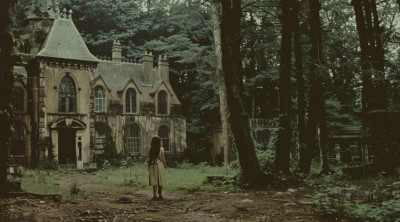
Then there's the Jericho Covered Bridge near Kingsville, a wooden span from 1865 with one of the ugliest reputations in the state. The legends speak of bodies seen hanging from the rafters, tied to lynchings and the Civil War dead, and of a woman in 19th-century dress who walks the bridge at night. Cars are said to stall inside it, their engines dying for no reason in the middle of the span.
More Haunted Places in Maryland
A few more stops worth the detour:
USS Constellation (Baltimore): a 19th-century warship at the Inner Harbor whose own maintenance logs have noted unexplained activity.
 commons.wikimedia.org
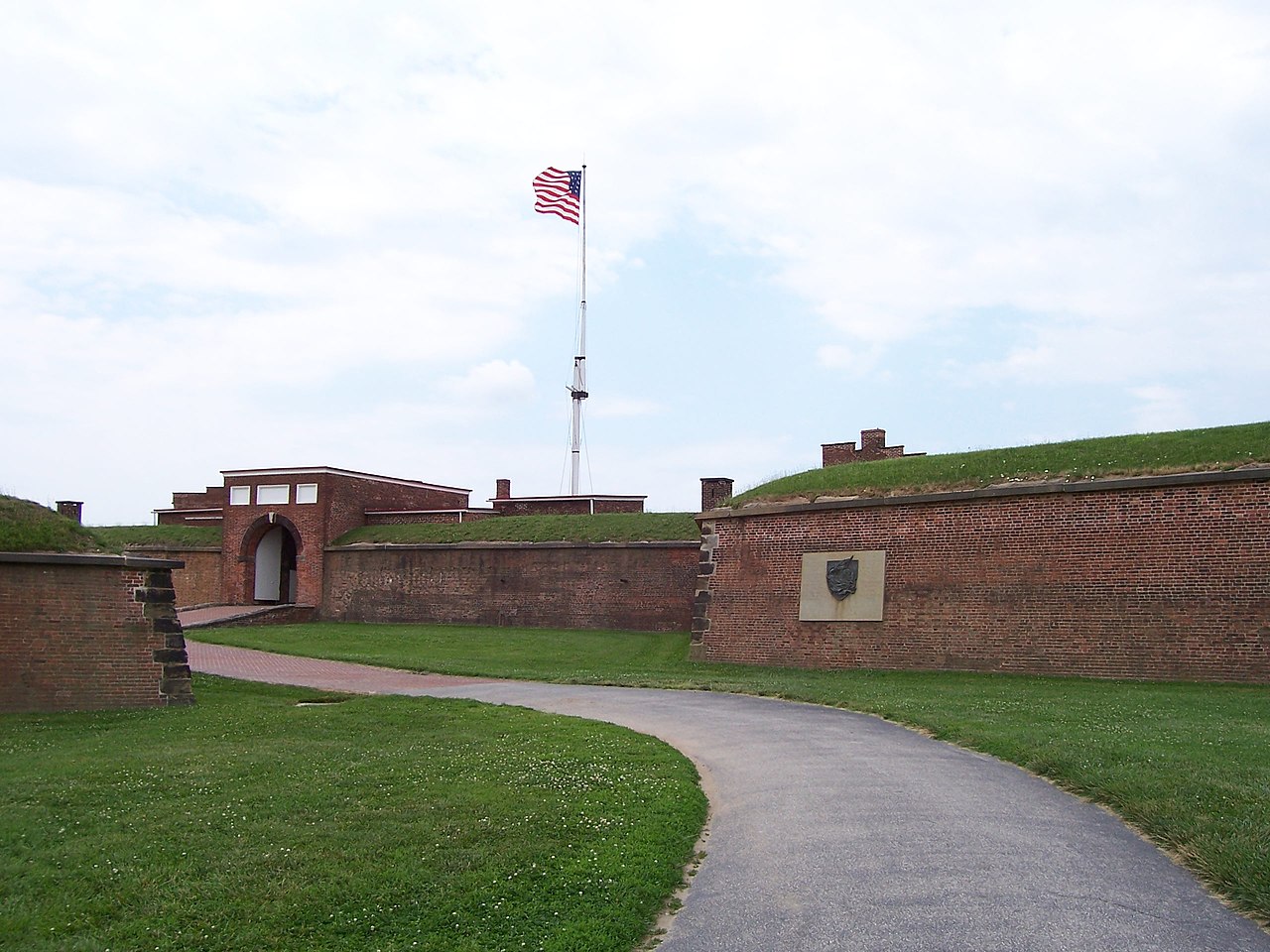
Fort McHenry (Baltimore): the star fort that inspired the national anthem, with soldiers still reported on the ramparts.
 commons.wikimedia.org
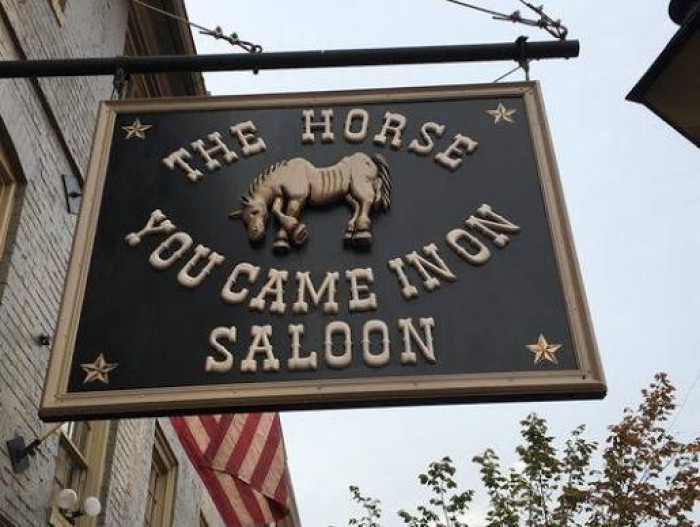
The Horse You Came In On Saloon (Baltimore): Poe's last known stop before his death, where objects move on their own.
 commons.wikimedia.org
Goatman: the part-man, part-goat figure of Prince George's County folklore, blamed for decades of backroad scares.
 commons.wikimedia.org
That’s when the stories start stacking up, because the same road where a Confederate soldier is said to dash at dusk also sits beside the water where shipwreck bodies wash ashore.</p>
This Civil War haunting feels like Virginia, where soldiers are still standing watch.
Then you climb toward the Patapsco Female Institute ruins above Ellicott City, where people swear they hear young women laughing inside a shell of a building that should be silent.</p>
And just as you think the ghosts are done with the daylight, the Jericho Covered Bridge near Kingsvill pulls the whole thing into one more terrifying direction.</p>
Most of these are open to the public. Antietam and Fort McHenry are run by the National Park Service, Point Lookout is a state park, and the Patapsco ruins sit in a state park you can walk through by day. Baltimore packs the highest concentration into the tightest radius, which makes it the easy base for a Maryland ghost trip.
What ties the haunted places in Maryland together is age and density. Nearly 400 years of colony, war, and maritime disaster pressed into one small state, with the bloodiest single day in American history sitting near the middle of it. The ghosts here come with dates and casualty counts.
Maryland shares this weight with its neighbors. The same Civil War and colonial past runs through the haunted corners of Virginia, West Virginia, and New York.
By the time you reach Jericho Covered Bridge, the dead in Maryland don’t feel like legends, they feel like neighbors.
Before you blame ghostly gunfire, check out the lighthouse piano murder in Maine.