40 Animals Who Said ‘Nope’ To Normal Behavior Today
It's all about the adorable dogs, silly cats, and all of their domestic and wild companion
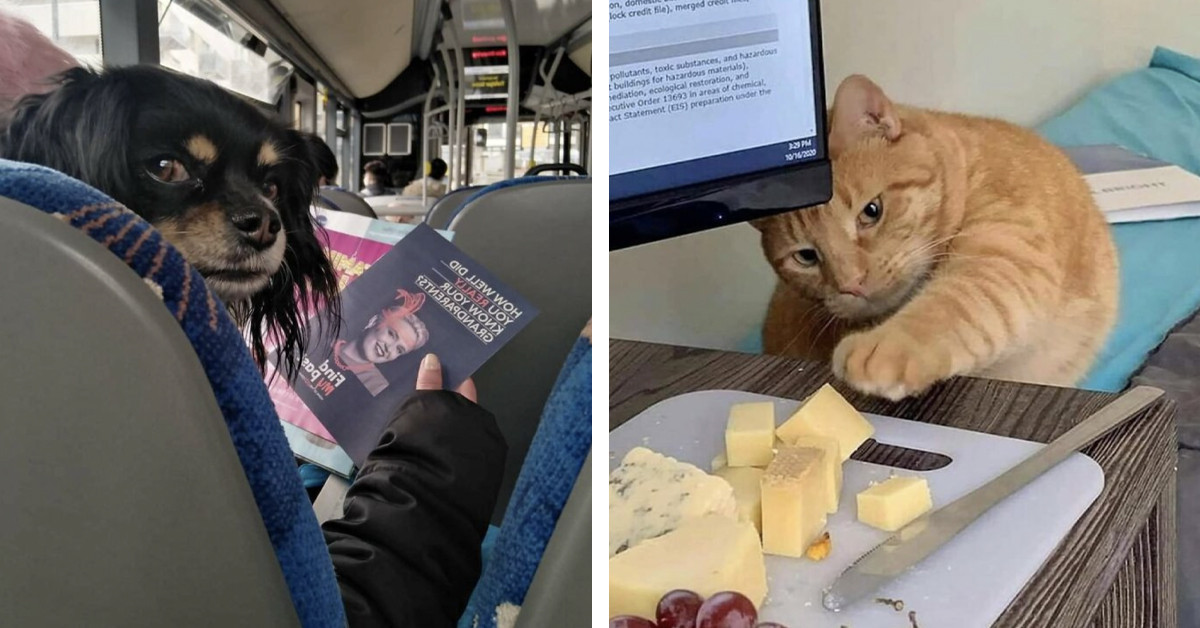
If you look around, you can find evidence of human affection for animals practically everywhere. To begin with, there are so many animals - it could be fish, rabbits, dogs, cats, birds, or guinea pigs.
Some people keep lizards, horses, or lions as pets. Pets are treated like children by some of us, and they throw them birthday celebrations.
We think about them while we're at work, install cameras in our house to keep an eye on them while we're away, amongst other things. We give adorable names to our pets, sometimes even human names.
When they disappear, we look for them desperately. When they pass away, we mourn. You see, animals are more than just pets to humans.
This is one of the reasons we go to aquariums and zoos and go on hikes in the outdoors. Governments enact laws to safeguard endangered animals for this reason.
So yes, give me animals on this day of AI nonsense. The adorable dogs, silly cats, and all of their domestic and wild companions are the best candidates to repair the internet's reputation, which is rapidly declining due to the rise of social media bots, soulless, mechanically created material, and malevolent algorithmic curating.
So let's set aside the "important" stuff and see what 'Nonsense Animal Images' Facebook page has to offer. Nothing but crazy fun—no background, no diversions.
More info: Facebook
1. You can't help but wonder what's going on
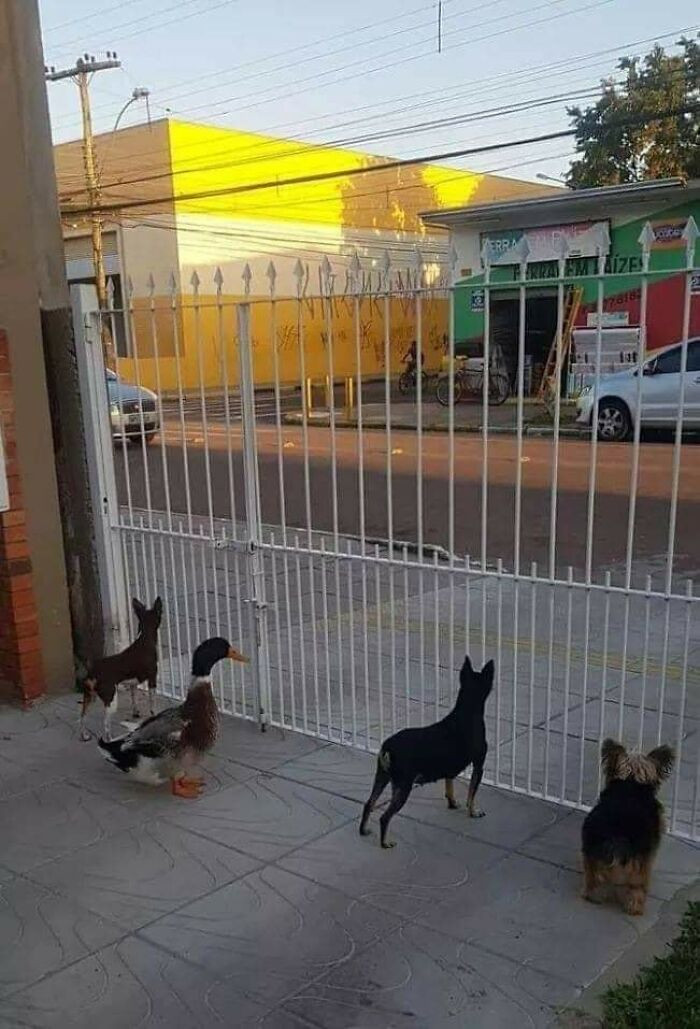 Nonsense Animal Images
2. Peep the dog
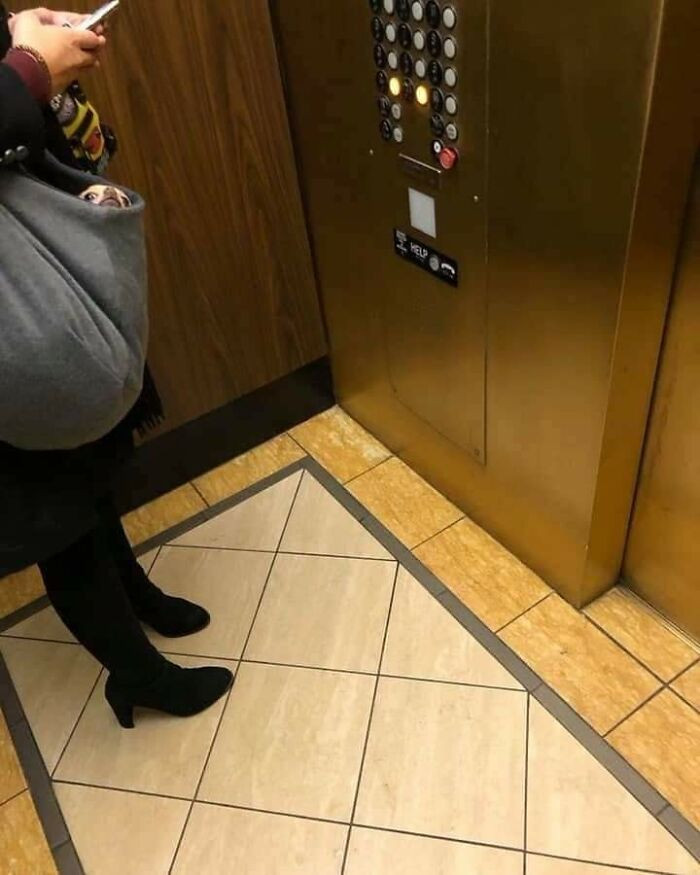 Nonsense Animal Images
3. It's not what you think
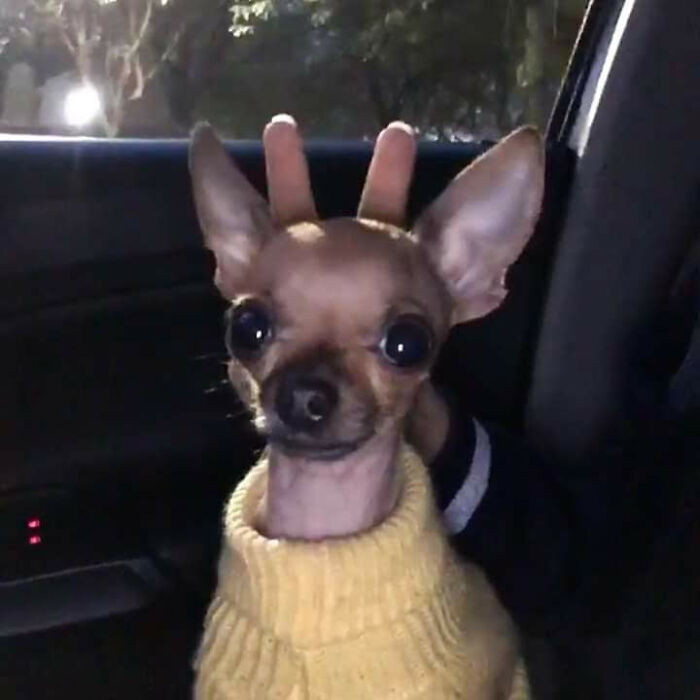 Nonsense Animal Images
The Connection Between Pets and Human Emotions
Dr. Patricia McConnell, an animal behaviorist, emphasizes that pets often reflect our emotional states, acting as mirrors to our feelings of joy, stress, or sadness. Research shows that animals can sense human emotions, and their responses can provide comfort during difficult times.
This emotional bond not only enriches our lives but also contributes to our mental well-being. McConnell advocates for fostering this connection through mindful interactions, ensuring that pet owners engage positively with their companions to enhance mutual trust and emotional support.
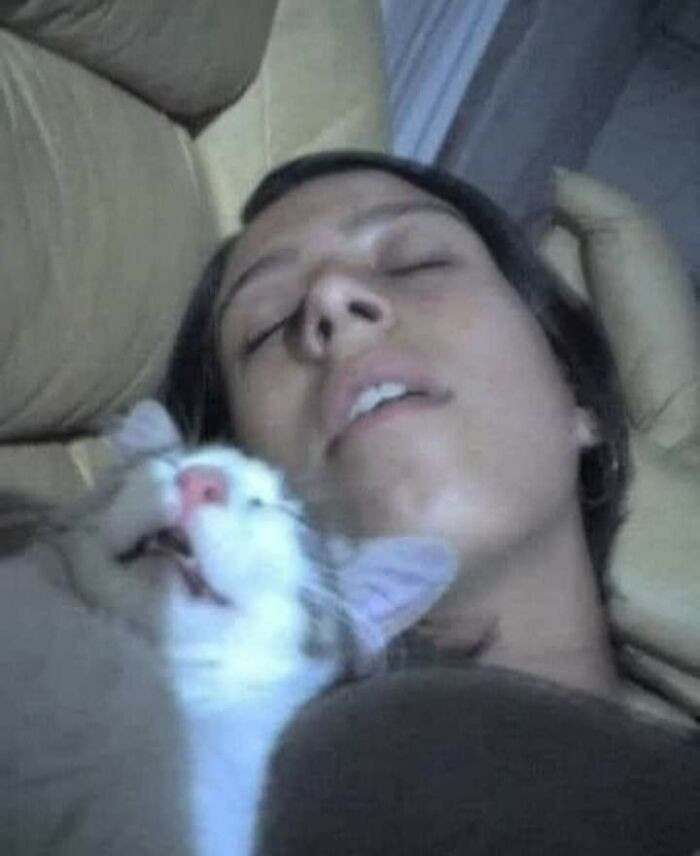
4. The evidence is clear
 Nonsense Animal Images
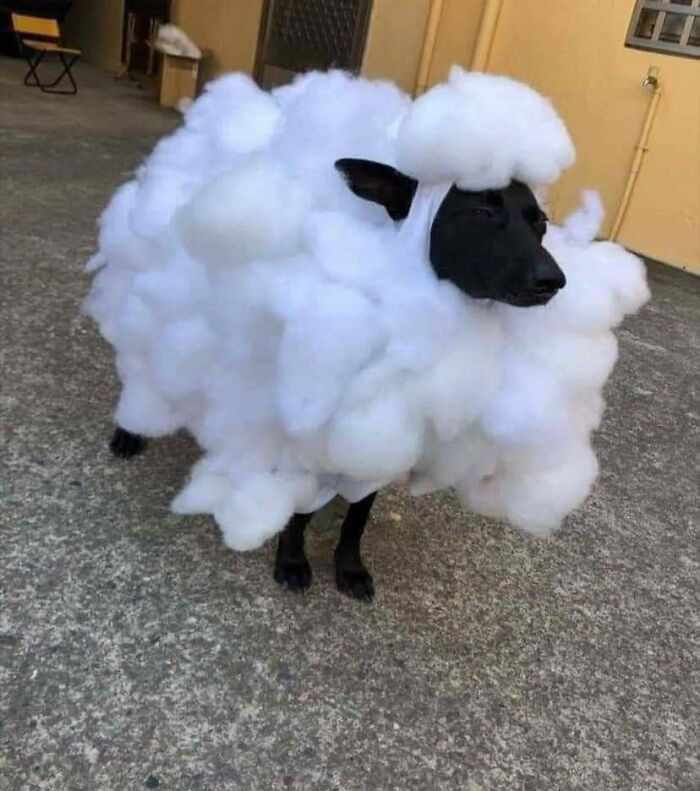
5. Can we say this is a wolf in sheep's clothing?
 Nonsense Animal Images
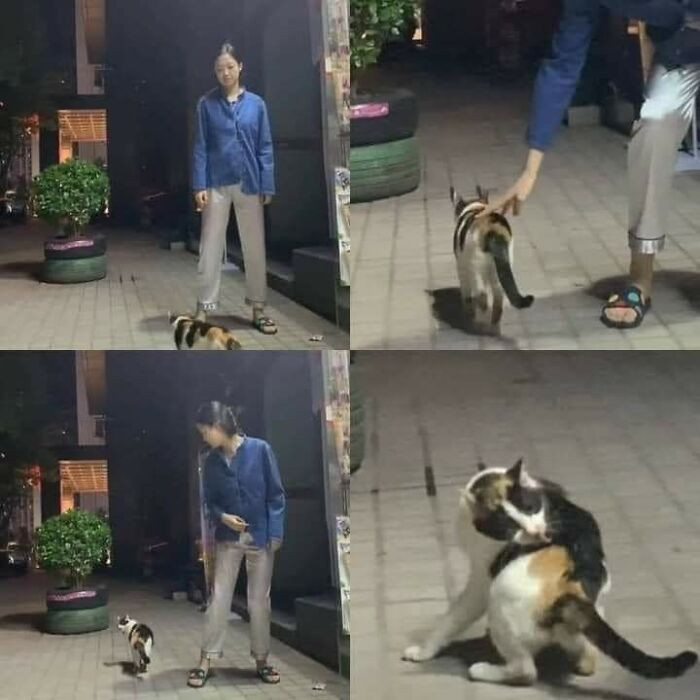
6. What do you think this means?
 Nonsense Animal Images
Dr. Hal Herzog, a prominent anthrozoologist, highlights that our relationships with animals can bring about unique behavioral quirks. He notes that when animals exhibit 'nope' behavior—refusing to engage in typical activities—it's often a form of communication indicating discomfort or anxiety.
Understanding these signals can improve human-animal relationships significantly. Herzog suggests that pet owners observe their animals closely, recognizing signs of stress and adjusting their interactions accordingly to create a more harmonious living environment.
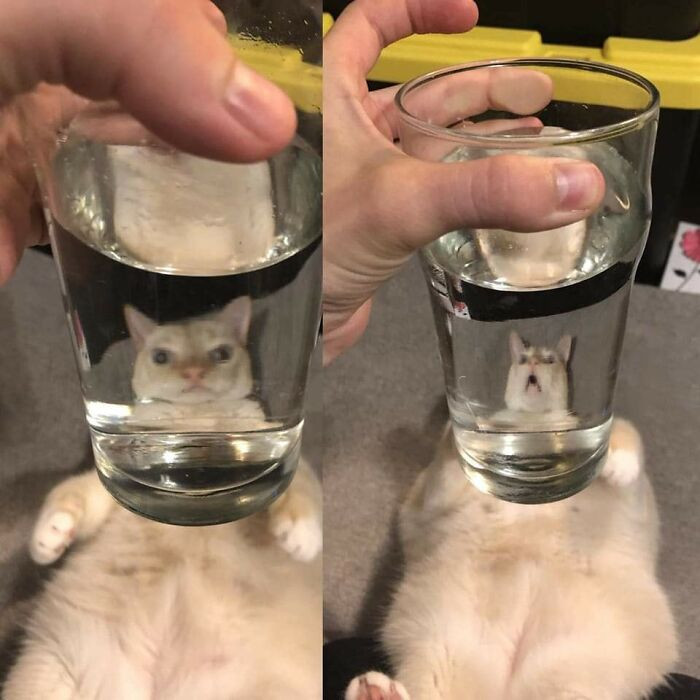
7. The look of surprise
 Nonsense Animal Images
8. You think they'll see me here?
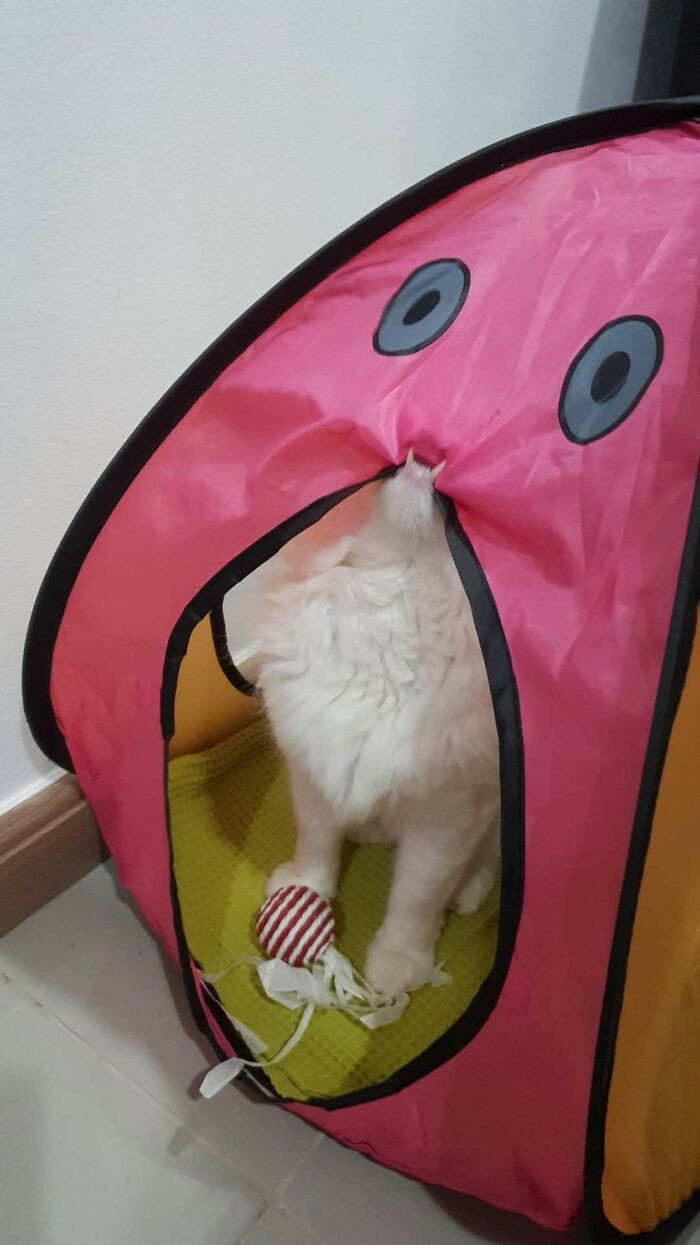 Nonsense Animal Images
9. I'll hang in there
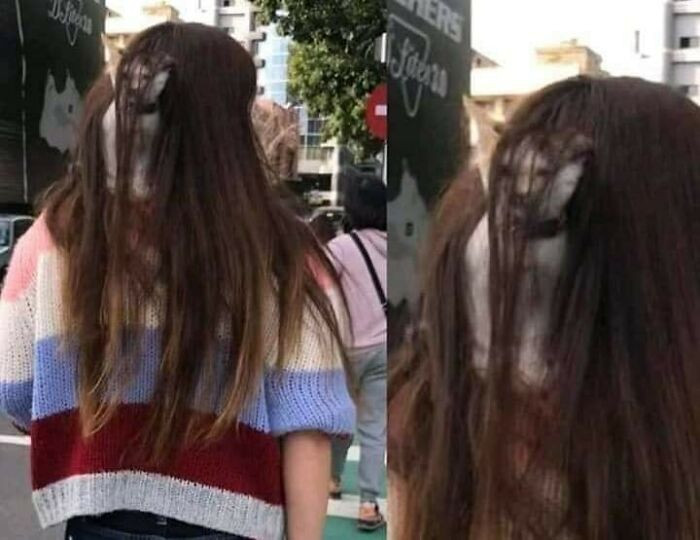 Nonsense Animal Images
Behavioral Insights from Animal Experts
Dr. Marc Bekoff, a cognitive ethologist, points out that animal behavior often defies our expectations of what pets should do. He argues that each animal has its own personality, which can lead to surprising and delightful 'nope' moments.
Encouraging pet owners to celebrate these unique traits, Bekoff stresses the importance of understanding individual animal behavior rather than applying rigid standards. This approach fosters deeper connections and appreciation for our companions, creating a more fulfilling relationship.
10. Cats can be very dramatic
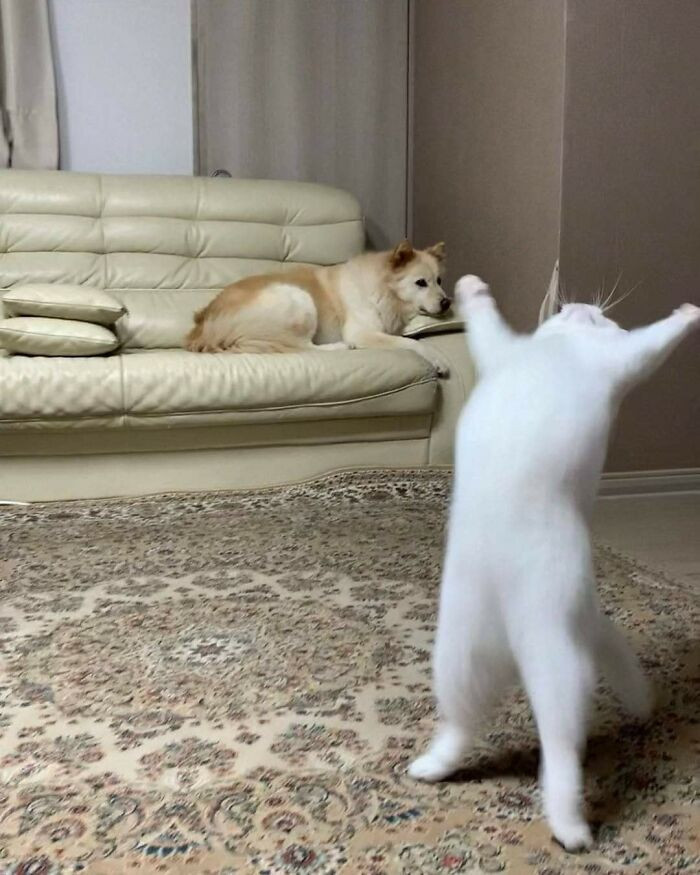 Nonsense Animal Images
11. I want what you're having
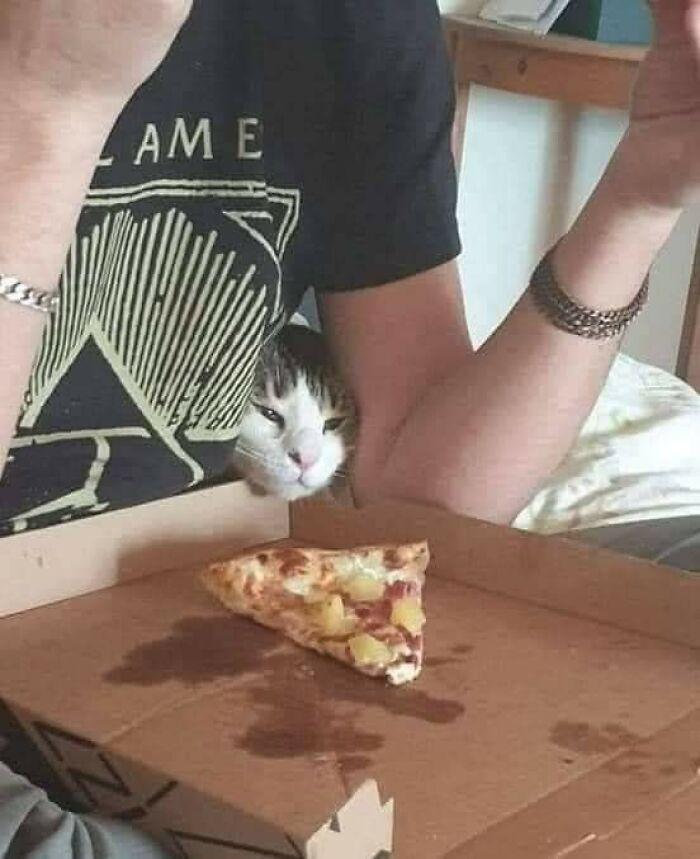 Nonsense Animal Images
12. This is my resting place
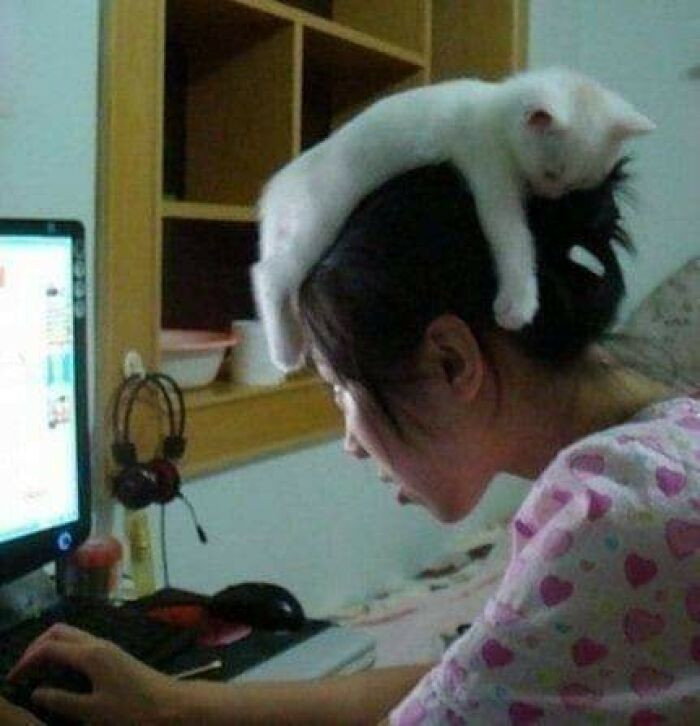 Nonsense Animal Images
Dr. Irene Pepperberg, a comparative psychologist, studies how interspecies communication can lead to unexpected behaviors in pets. Her work, particularly with parrots, shows that these animals often resist conventional training routines, expressing their preferences through vocalizations or behaviors.
She recommends that pet owners adopt a flexible training approach, allowing their animals to express individuality. By fostering an environment that values exploration and creativity, owners can enhance their pets' engagement and happiness.
13. Hey little buddy
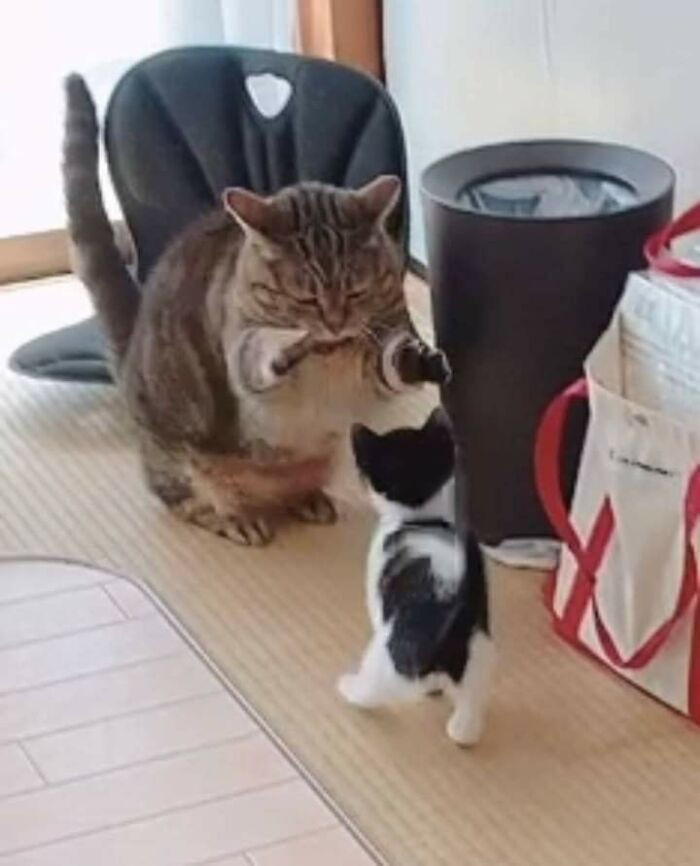 Nonsense Animal Images
14. What shall we call this?
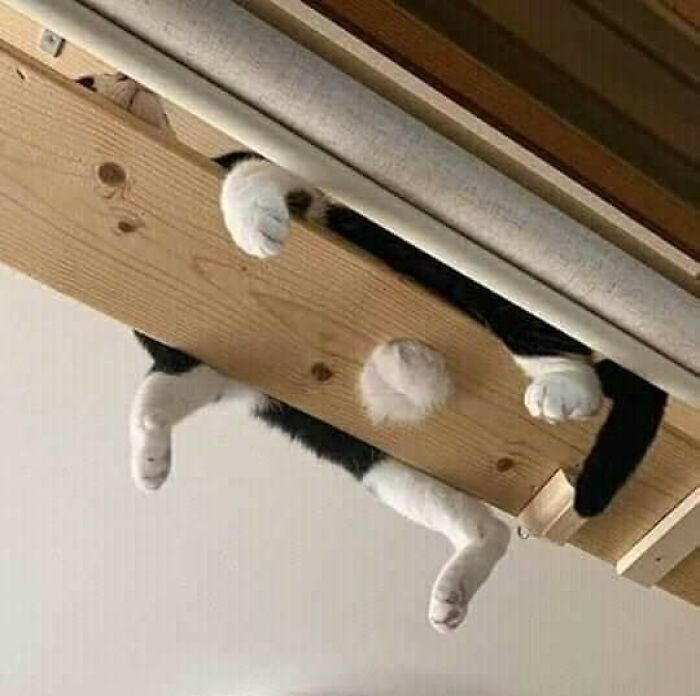 Nonsense Animal Images
15. I'm a dragon and breathe fireeeeeee
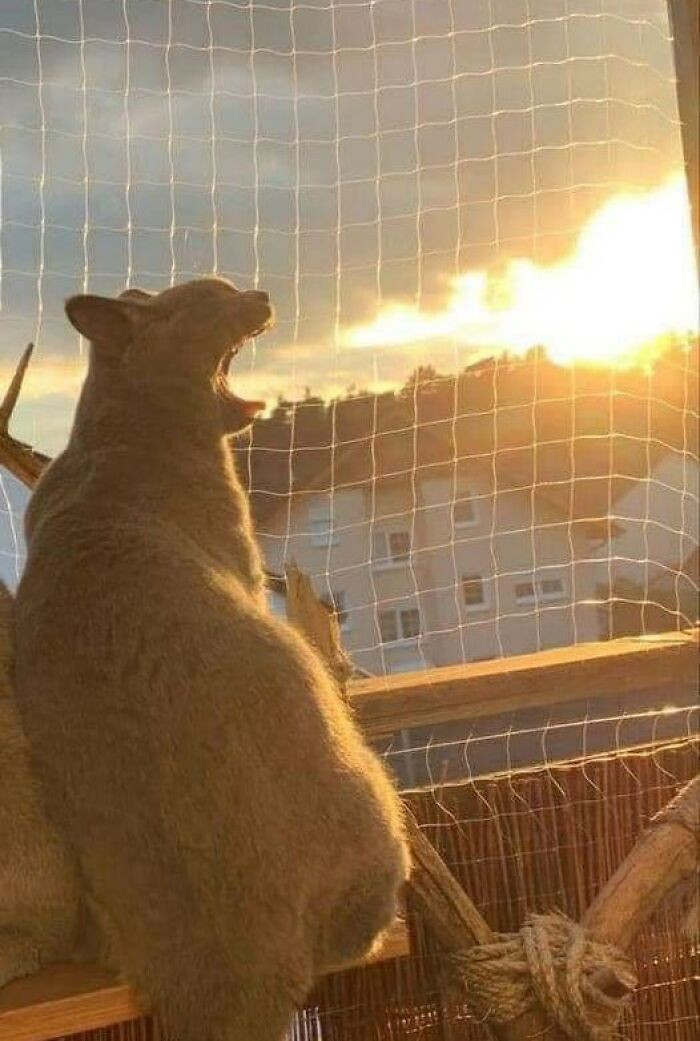 Nonsense Animal Images
Understanding Animal Reactions
Dr. Steve Irwin (in legacy) once highlighted that animals often react based on their instincts and past experiences. This insight is essential for pet owners who encounter unexpected 'nope' behaviors from their pets, whether it's a dog refusing to walk on a leash or a cat avoiding a new toy.
Understanding these behaviors as rooted in survival instincts can help owners respond more compassionately. Irwin encouraged patience and observation, allowing pets to adjust to new situations at their own pace for better outcomes.
16. That looks nice
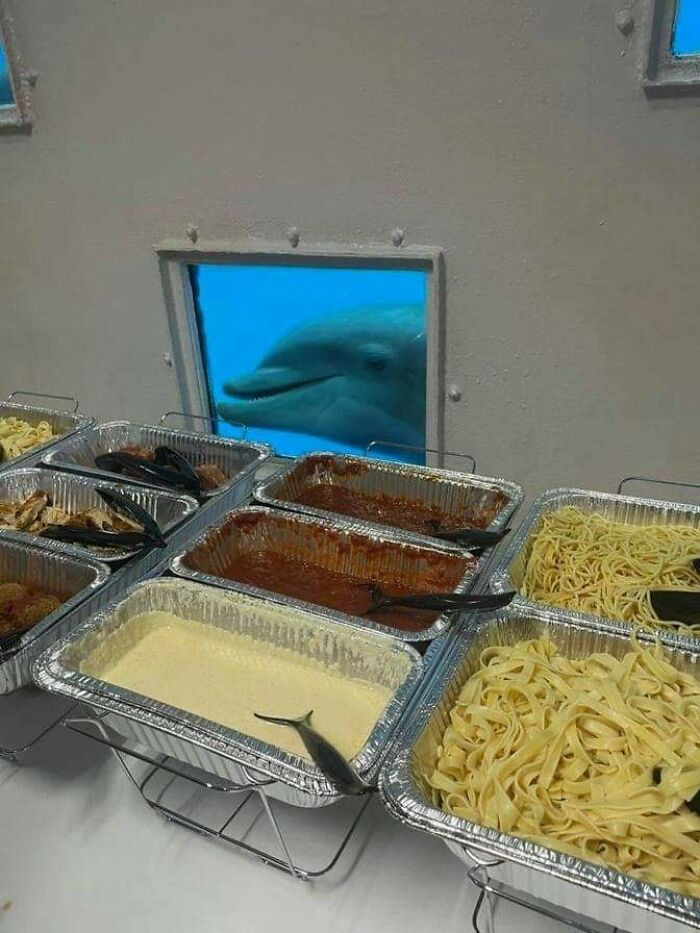 Nonsense Animal Images
17. Oh, I'm gone
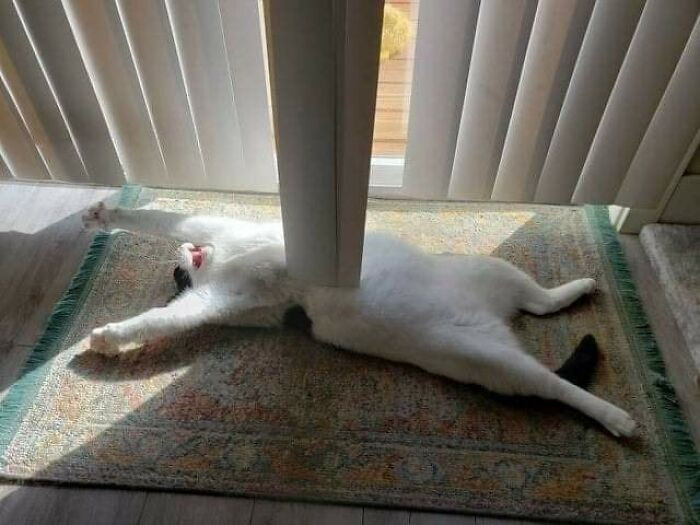 Nonsense Animal Images
18. Hey, I want that
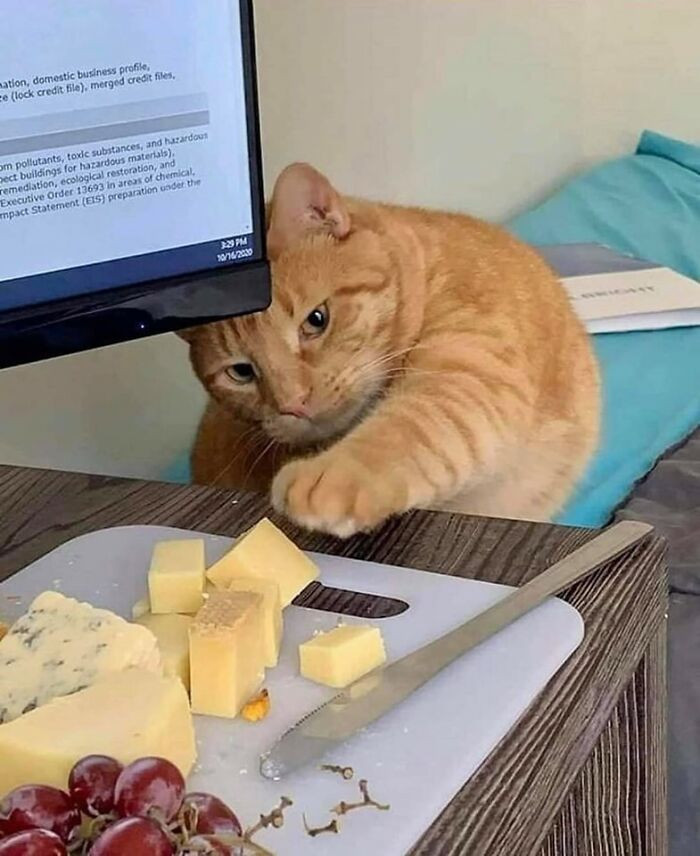 Nonsense Animal Images
Dr. Jennifer Holland, a wildlife journalist, emphasizes the joy of observing wild animals in their natural habitats. She notes that many of the behaviors we find amusing in our pets can also be seen in wildlife, showcasing their unique personalities and social structures.
Holland encourages people to appreciate wildlife by visiting natural reserves and observing their behaviors. This not only fosters a deeper connection with nature but also enhances our understanding of animal behavior, underscoring the importance of conservation efforts.
19. I'll swallow you whole
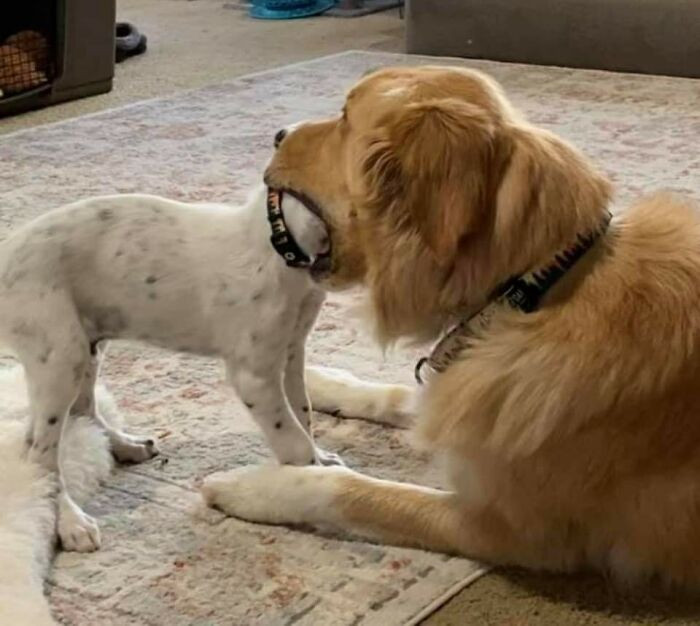 Nonsense Animal Images
20. I'll have what you're having
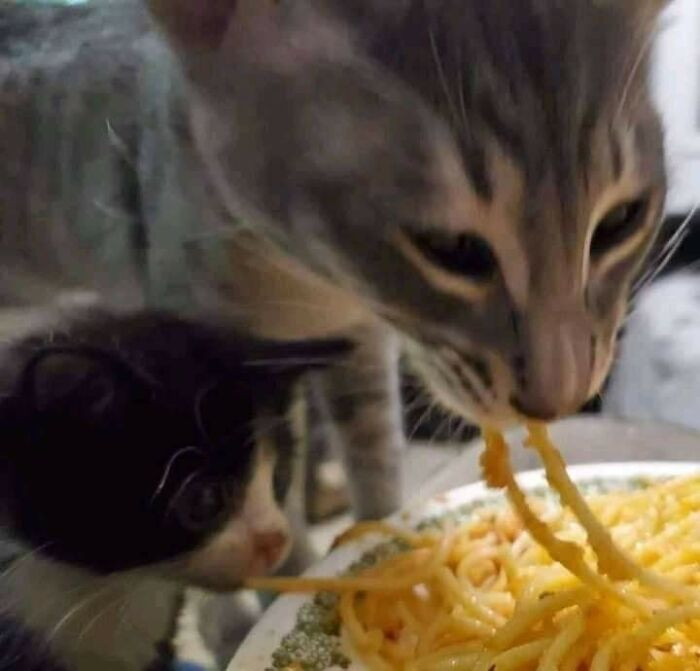 Nonsense Animal Images
21. I won, didn't I?
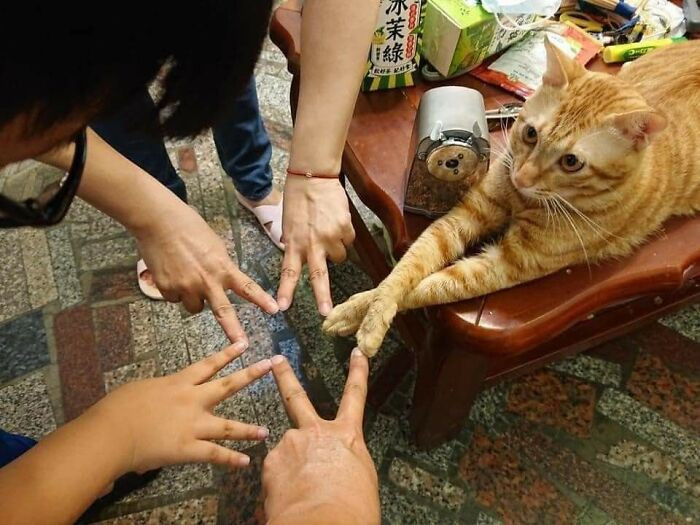 Nonsense Animal Images
The Importance of Play
Dr. Frans de Waal, a primatologist, discusses the role of play in animal behavior, which is often overlooked in discussions about 'normal' behaviors. He explains that playful interactions in animals are crucial for social bonding and developing critical life skills.
For pet owners, engaging in play with their pets is essential. De Waal suggests incorporating a variety of toys and activities to stimulate their pets’ minds and strengthen the owner-animal bond, leading to happier and healthier companions.
22. My pet deserves to be comfortable
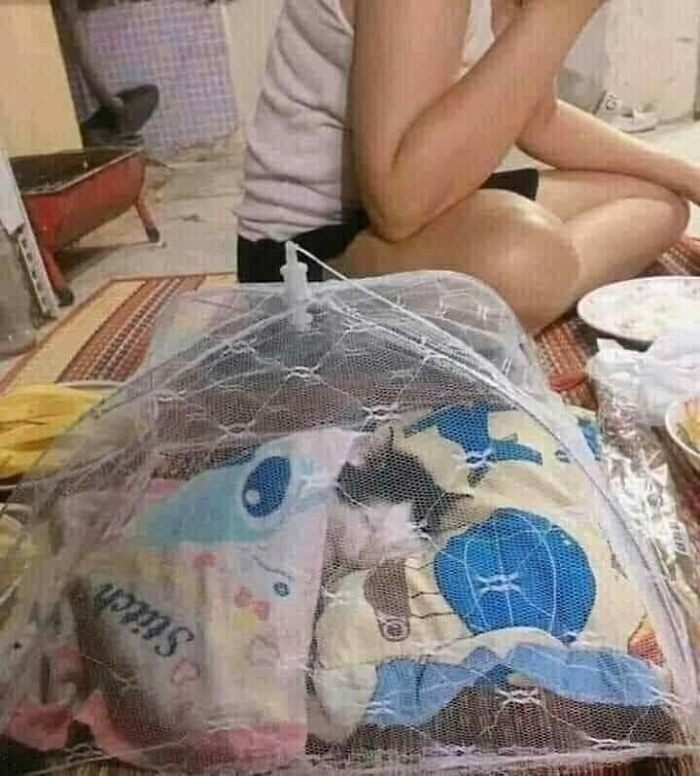 Nonsense Animal Images
23. Going according to plan I see
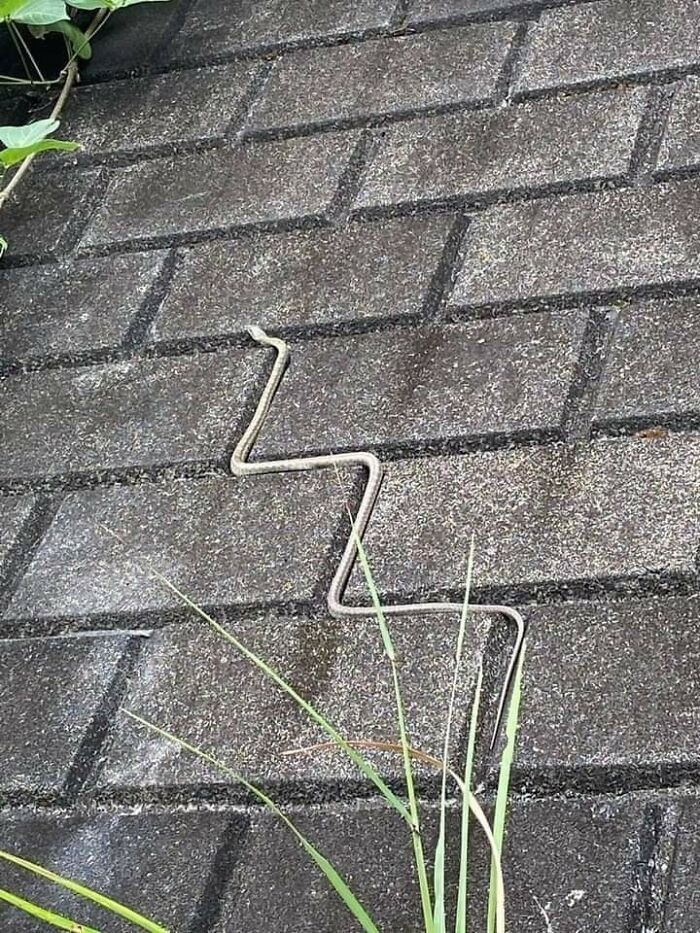 Nonsense Animal Images
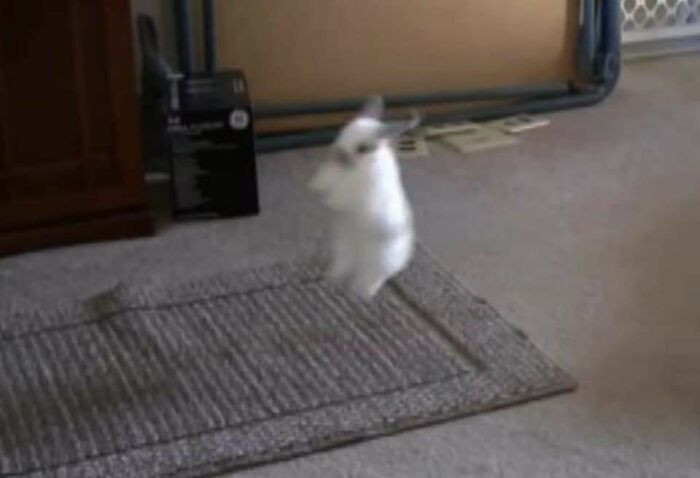
24. I'll make a jump
 Nonsense Animal Images
Dr. Jane Goodall emphasizes that understanding animal behavior involves respecting their instincts and natural tendencies. She explains that behaviors perceived as 'nope' often stem from an animal's need to establish boundaries or express discomfort.
Pet owners should practice empathy and patience, creating safe spaces for their companions to explore freely. This approach not only enhances the well-being of the animal but also deepens the bond of trust between pet and owner.
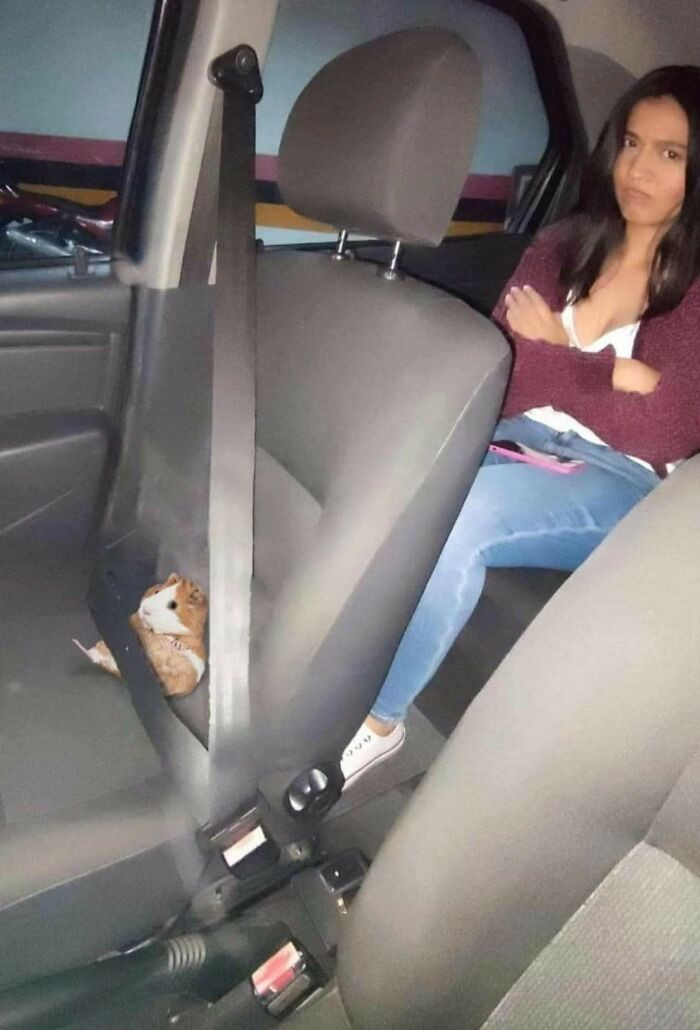
25. So you have made your choice?
 Nonsense Animal Images
26. Let's make a climb here
 Nonsense Animal Images
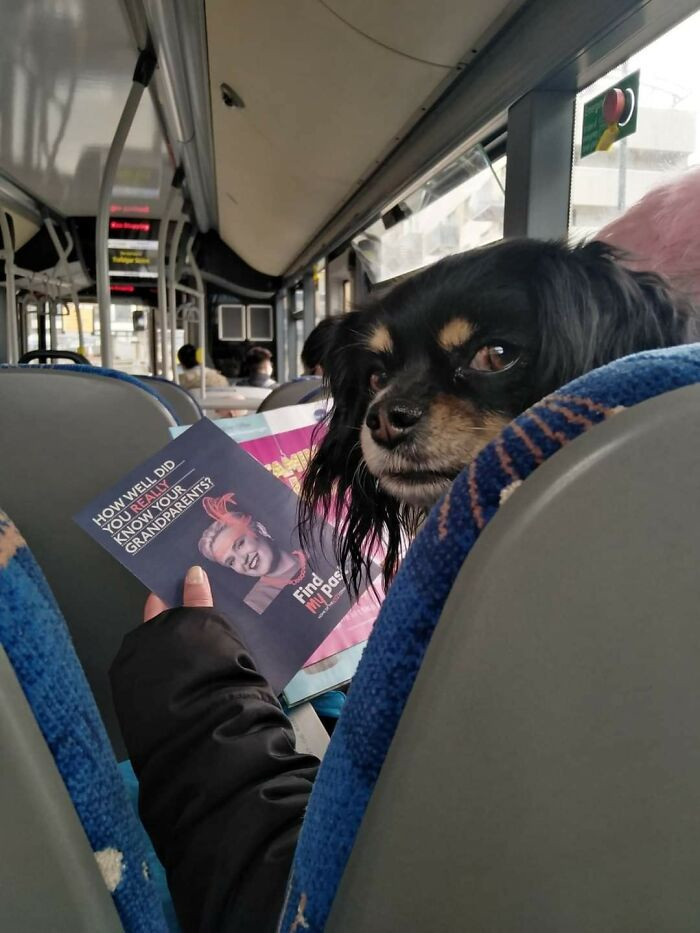
27. What are you looking at?
 Nonsense Animal Images
Communicating with Your Pet
Dr. Temple Grandin, an animal behavior expert, emphasizes the importance of effective communication with pets. She explains that animals communicate through body language, vocalizations, and even their choice to engage or disengage from certain behaviors.
By observing these cues, pet owners can foster a more harmonious relationship with their companions. Grandin recommends spending quality time with pets, observing their behaviors, and adjusting interactions to align with their comfort levels, ultimately enriching the pet-owner relationship.
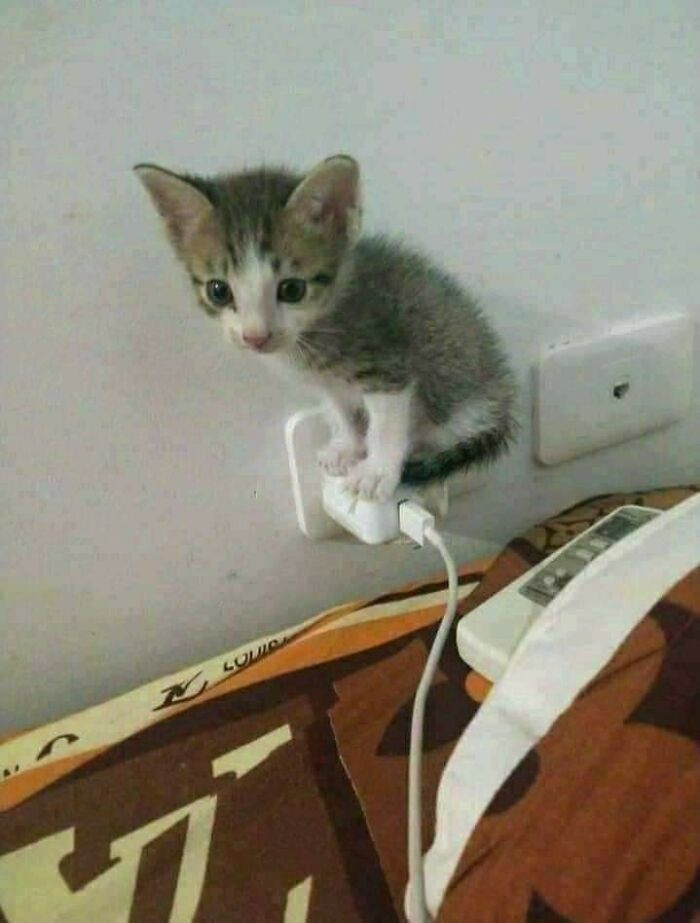
28. Yes, it holds me perfectly
 Nonsense Animal Images
29. That is a huge pile
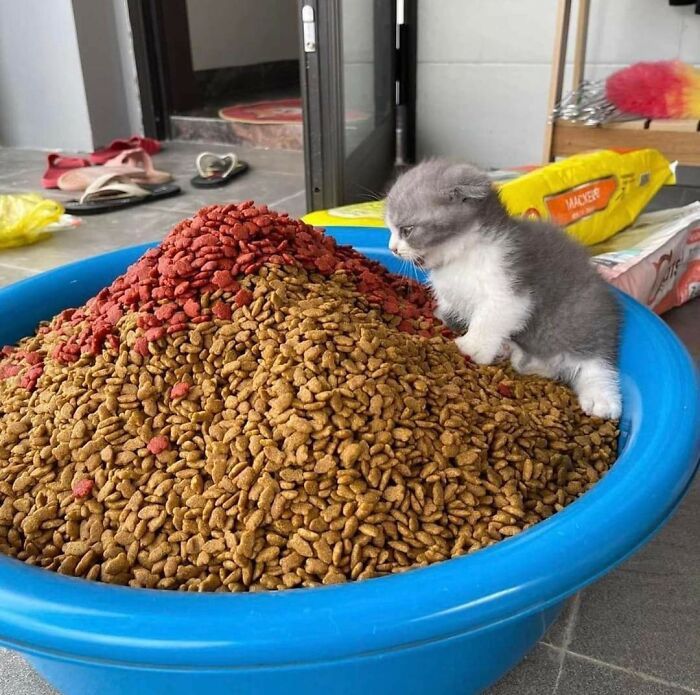 Nonsense Animal Images
30. What am I seeing?
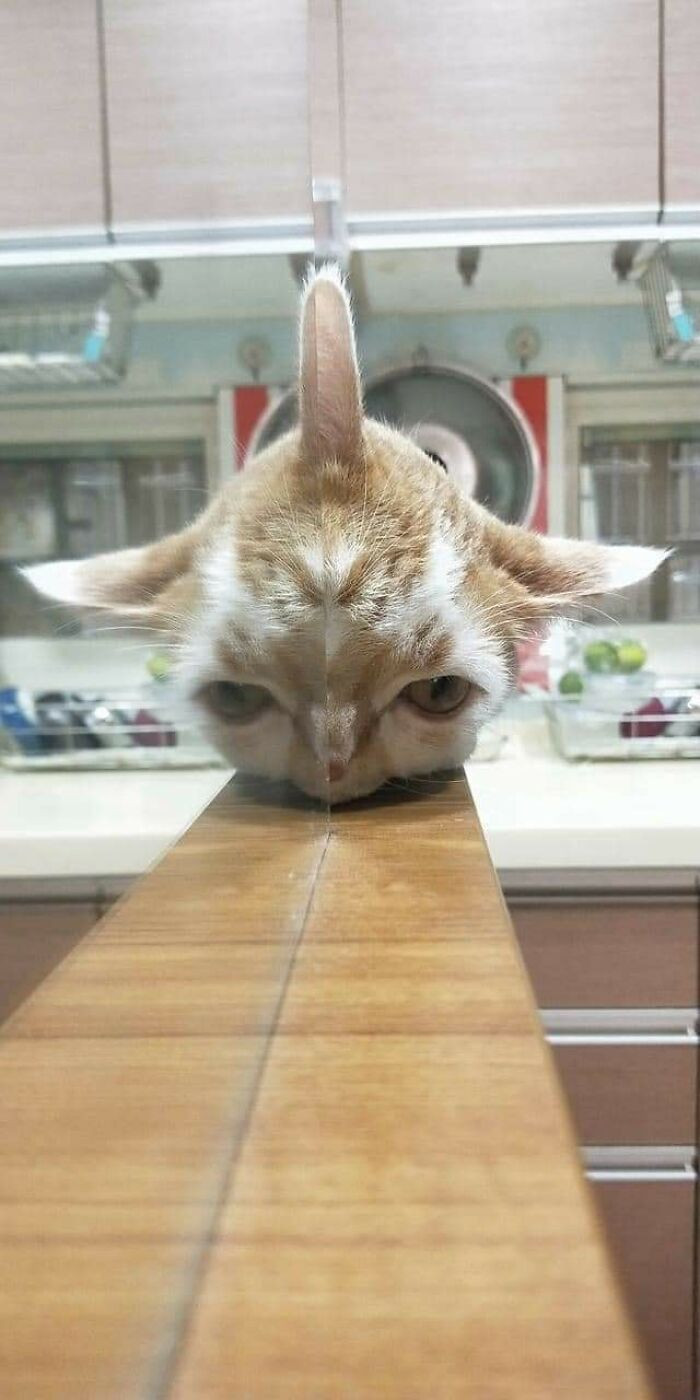 Nonsense Animal Images
Dr. Brian Hare, an evolutionary anthropologist, notes that the domestication of animals has changed their behaviors significantly. This evolution has led to unique interactions between humans and pets, often filled with delightful surprises.
Hare encourages owners to embrace the quirks of their pets, understanding that these behaviors are often rooted in their evolutionary history. By fostering an environment that allows for exploration and expression, owners can deepen their connections with their pets.
31. I definitely didn't see that coming
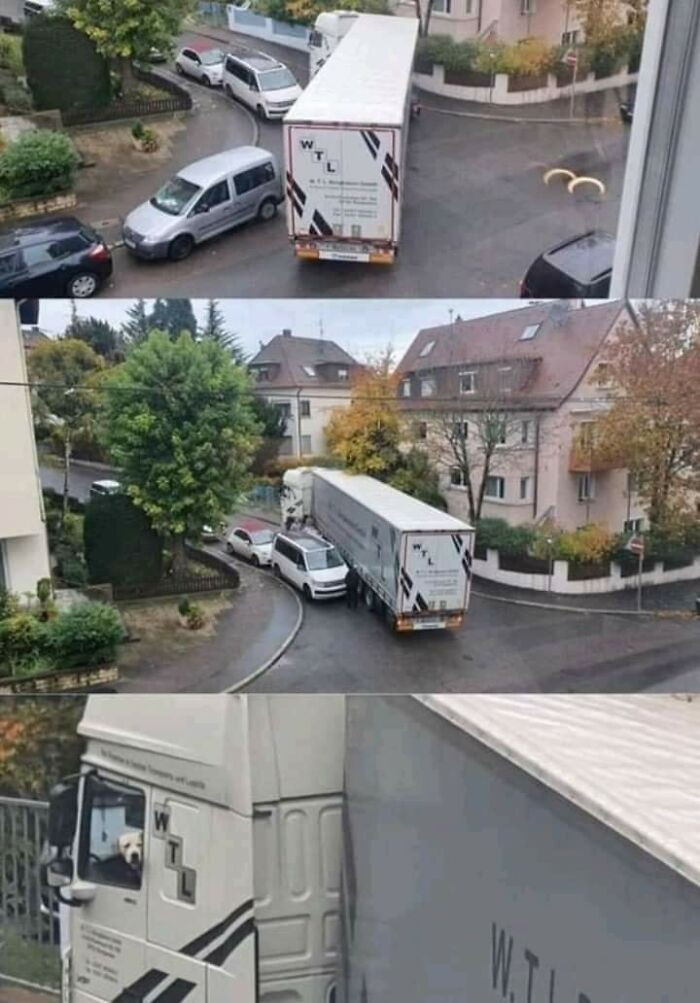 Nonsense Animal Images
32. I guess it's a race
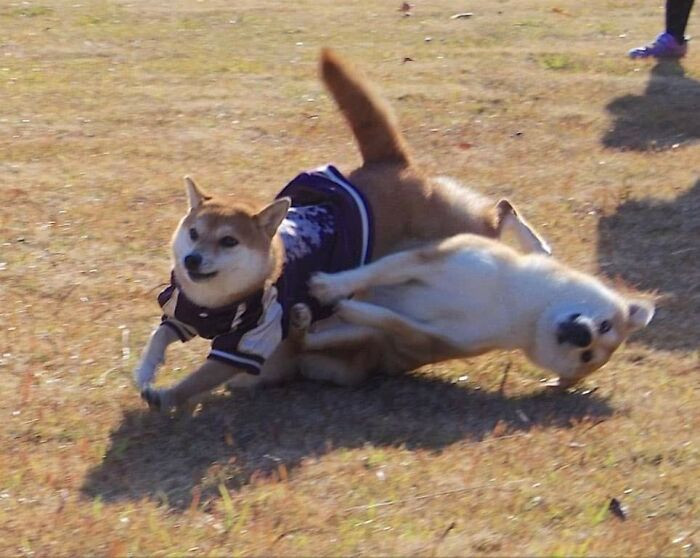 Nonsense Animal Images
33. I'm going to win this
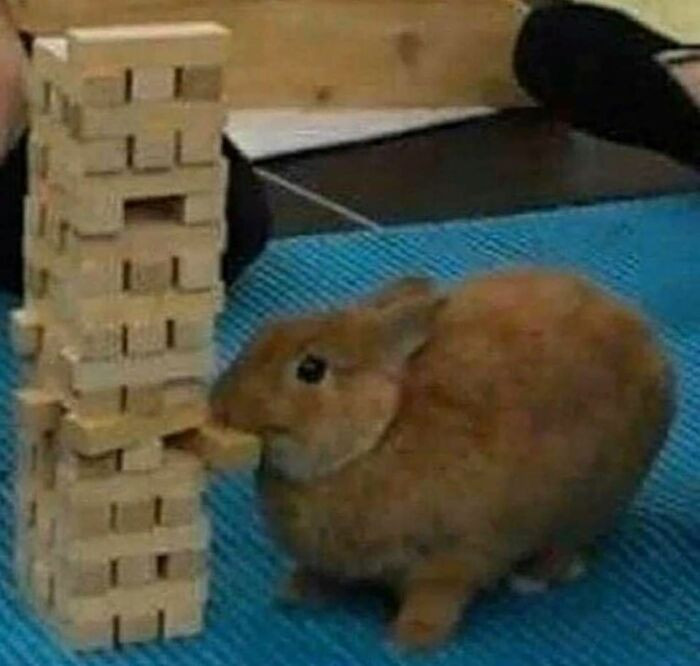 Nonsense Animal Images
Promoting Positive Interactions
Behavioral specialists suggest that creating a positive environment for pets can significantly reduce instances of 'nope' behaviors. Setting up spaces that cater to an animal's natural instincts—like providing scratching posts for cats or safe outdoor areas for dogs—can enhance their well-being.
Experts recommend gradual introductions to new experiences, ensuring that animals feel secure and confident. This practice fosters trust and openness, allowing pets to engage more freely with their environments and their owners.
34. I'm in a good mood
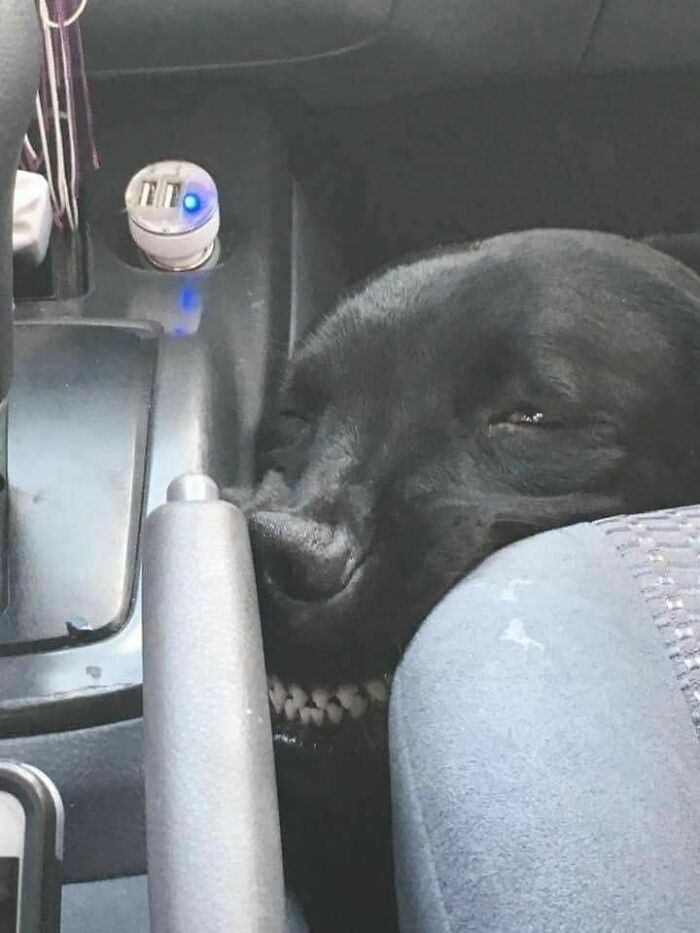 Nonsense Animal Images
35. That is looking scary
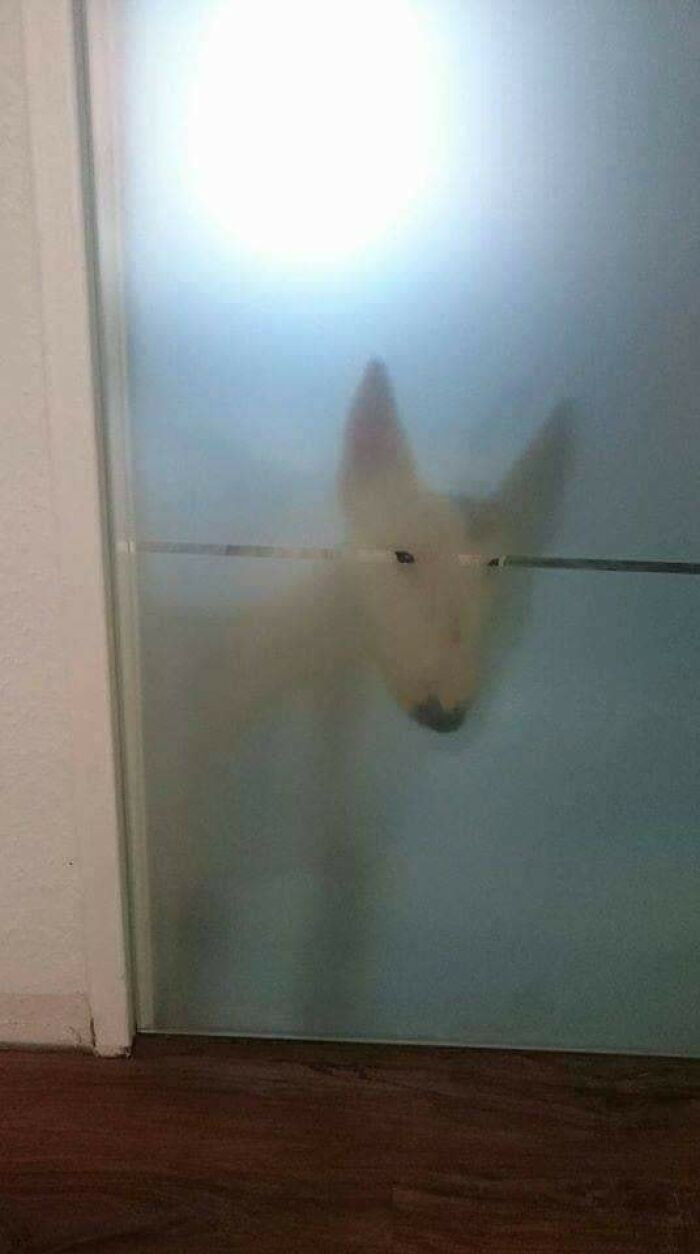 Nonsense Animal Images
36. What's going on here?
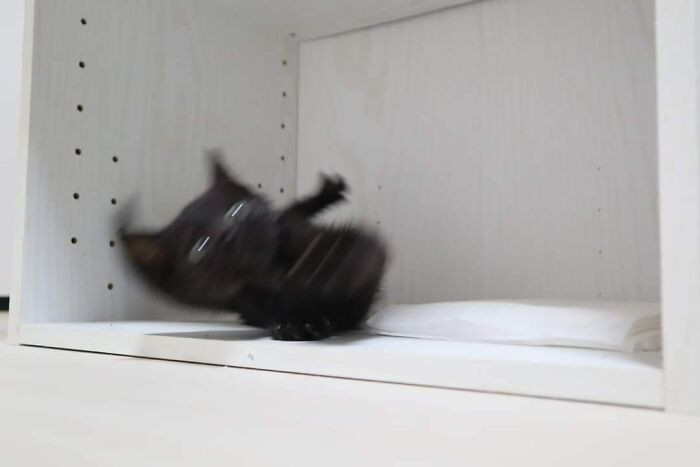 Nonsense Animal Images
Dr. Cynthia Moss, an elephant researcher, illustrates that animals often engage in unique behaviors reflective of their emotions and experiences. She argues that understanding these behaviors requires empathy and observation, particularly in wild animals that exhibit profound social structures.
Moss suggests that fostering awareness about animal emotions can help pet owners create environments where their pets feel safe and valued, ultimately leading to healthier behaviors and deeper relationships.
37. A fight is about to go down
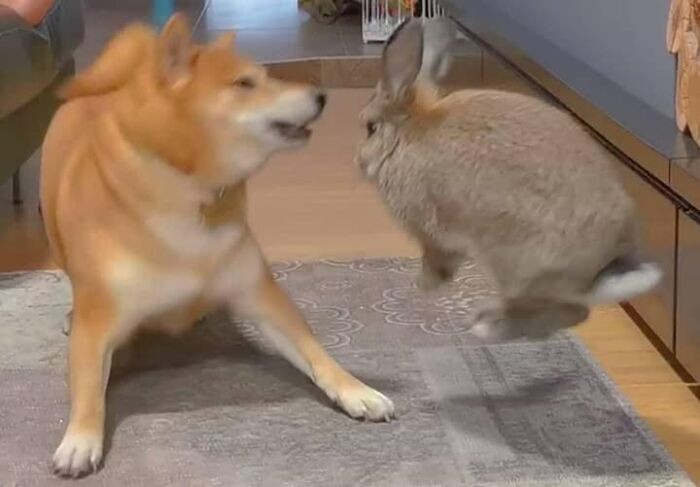 Nonsense Animal Images
38. You like my hair?
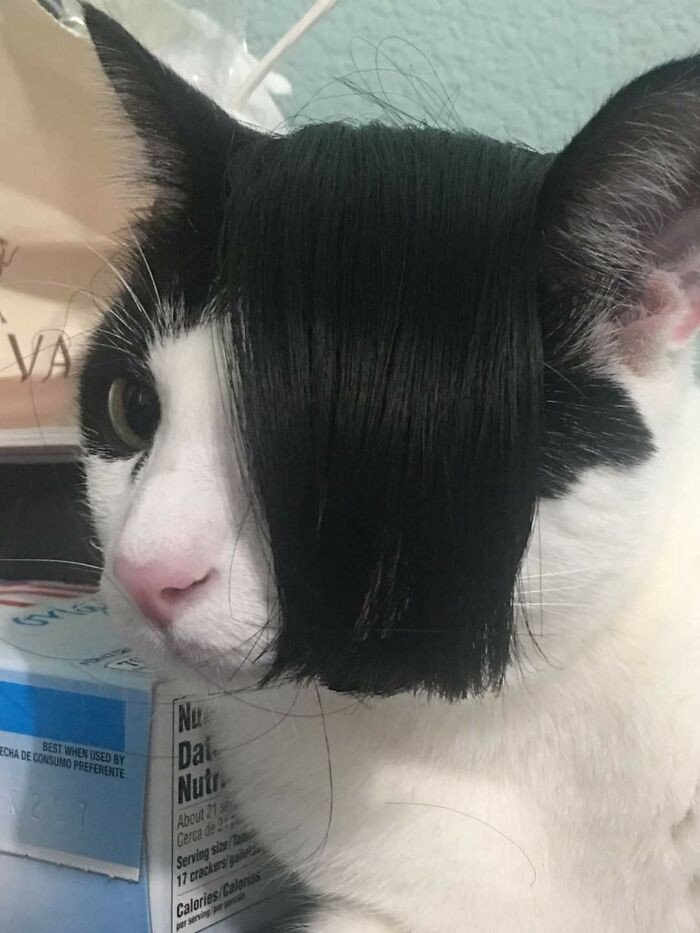 Nonsense Animal Images
39. I complete the pizza slice
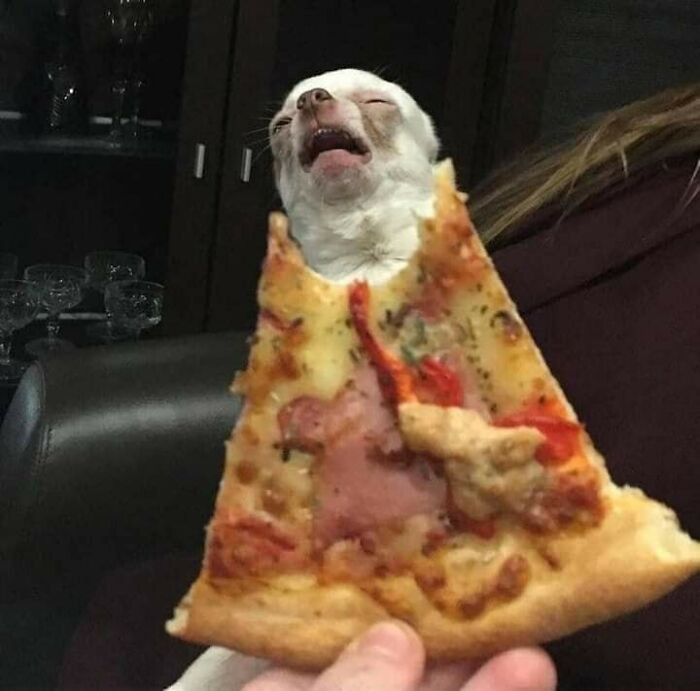 Nonsense Animal Images
40. You'll figure it out
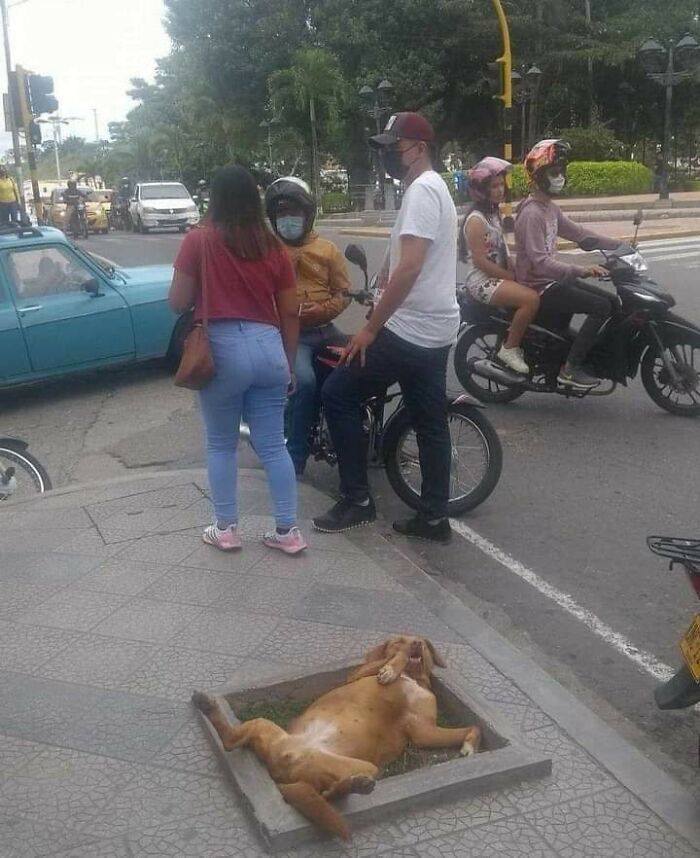 Nonsense Animal Images
Pets are in need of assistance, and they value it. They also show us affection, and we tend to be more content with animals because we have lower expectations of them than we do of humans.
Another possibility is that we consider animals to be a part of life and an extension of ourselves. Yes, humans have a lot of love to offer, and these animals are here to make it all worthwhile.
Building Healthier Patterns
In conclusion, the interactions we have with our pets reveal a great deal about their emotional states and personalities. Recognizing these nuances allows us to strengthen the bonds we share with them.
Experts in animal behavior consistently emphasize that understanding and respecting our pets’ unique needs leads to more fulfilling relationships. By adopting a patient, empathetic approach, pet owners can create an environment where both they and their pets thrive, minimizing those 'nope' moments in favor of joyful connections.

Maryjane